Product Guides
Capers and desert truffles: two Levantine fine foods worth knowing
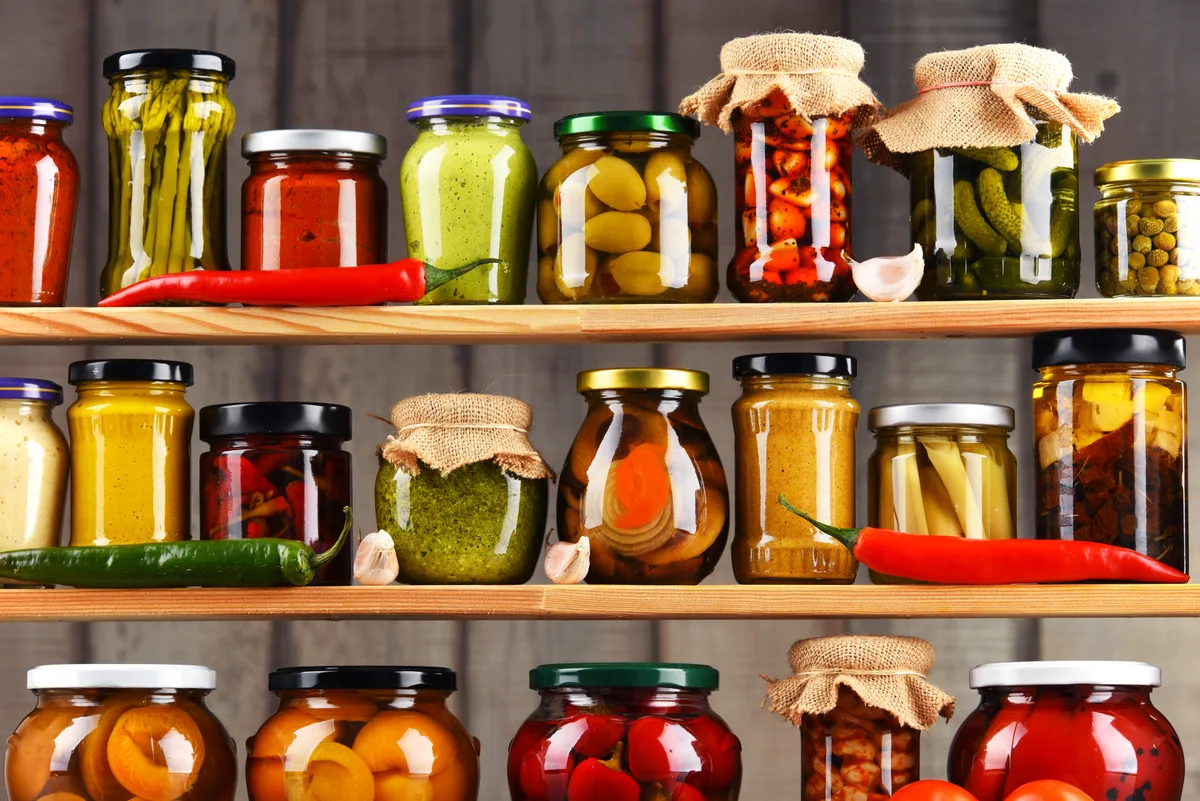
Capers and desert truffles are two of the smaller, higher-value lines in a Levantine pantry — a briny flower bud and a wild-foraged fungus that show up on menus and shelves for very different reasons but share a place in the region's fine-food tradition. We carry both from Lio Food: Caper in a 300 g glass jar, and Whole Truffles in a 635 g glass jar — both packed for a specialty shelf or a kitchen that already knows what to do with them.
Neither is an everyday commodity ingredient, and both reward a buyer who knows what they're looking at — this guide covers what each actually is, how kitchens and specialty shelves use them, and how to position them for the right customer.
What capers actually are
Capers are the unopened flower buds of the caper bush, a shrub that grows wild across Mediterranean and Levantine hillsides and tolerates dry, rocky soil that would defeat most crops. Picked by hand while still closed, the buds are naturally bitter until cured — typically brined or salted — which develops the sharp, briny, slightly floral flavour cooks rely on. Size matters in grading: smaller capers are prized for a more delicate texture and are picked earliest; larger buds have a coarser bite, though flavour intensity scales with size either way.
Desert truffles: a genuine Levantine delicacy, not the European kind
Desert truffles — known regionally as terfez or kammeh — are a traditional Levantine and North African delicacy, but they are a different organism entirely from the black and white truffles of European cuisine. They grow underground in arid and semi-arid terrain, associated with the roots of desert shrubs rather than forest trees, and have been foraged and eaten across the region for generations as a genuine seasonal treat rather than a luxury import. Flavour and texture read earthier and more potato-like than European truffle, with less of the intense aromatic punch — cooks in the region traditionally braise or simmer them in stews rather than shave them raw. Because they're a foraged, traditional product rather than a cultivated commodity, treat any specific harvest-season or volume claim with caution unless a supplier can back it up directly — our own catalogue description sticks to what's verifiable: a genuine, long-standing Levantine delicacy, packed whole in glass.
How kitchens and specialty shelves use each
- Capers — classic in piccata- and puttanesca-style sauces, on smoked fish, chopped into tapenade, or scattered whole over roasted vegetables and salads for a briny counterpoint.
- Desert truffles — traditionally braised with meat, rice, or in a simple stew rather than used raw; a specialty item best positioned for customers who already know the tradition rather than as an unfamiliar upsell.
- Both work as a specialty-shelf anchor — small-format glass jars that justify a facing next to the olives and preserves shelf without needing case-volume turnover to earn their space.
Positioning capers and desert truffles to the right customer
Neither product needs to move fast to earn its shelf space, but each needs the right customer to find it. Capers are familiar enough to most North American shoppers that they don't need explanation — a small tag noting they're brined rather than pickled in vinegar is usually enough context. Desert truffles are a different conversation entirely: a shopper who grew up with terfez will recognize the jar instantly and buy on sight, while a shopper unfamiliar with the tradition needs either a knowledgeable staff member or clear signage explaining what it is and how it's traditionally cooked before they'll take the risk on an unfamiliar jar. Positioning both near other Levantine specialty items — rather than lost in a generic canned-goods run — helps the right customer actually find them.
Buying by the case
Both come to us in glass — Caper at 300 g (case of 12) and Whole Truffles at 635 g (case of 12) — shelf-stable formats suited to a specialty grocery, a fine-foods counter, or a kitchen that uses either regularly enough to hold a case rather than reorder single jars. Because both are lower-volume, higher-value lines compared to a staple like olive oil or spices, they're worth adding to a mixed inquiry alongside your core order rather than treating as a separate purchase.
Related questions
What are capers?
Capers are the pickled or salt-cured, unopened flower buds of the caper bush, a Mediterranean and Levantine shrub. Their sharp, briny flavour comes from curing, since the raw bud is naturally bitter and unpalatable before processing.
Are desert truffles the same as European black or white truffles?
No — desert truffles (terfez) are a different organism, foraged from arid terrain and associated with desert shrub roots rather than forest trees. They're a genuine traditional Levantine delicacy in their own right, with an earthier, more potato-like character and a milder aroma than European truffle.
How are desert truffles typically cooked?
Traditionally braised or simmered — in stews, with rice, or with meat — rather than eaten raw or shaved, which is the more familiar preparation for European truffle. Long, gentle cooking is what develops their flavour, so treat them more like a root vegetable than a raw garnish.
What size caper should I buy?
Smaller capers are picked earliest and prized for a more delicate texture; larger ones have a coarser bite but still carry good flavour. The right size depends on the dish — smaller for garnish and delicate sauces, larger where texture matters less than volume, such as a long-cooked braise.