Wholesale catalogue
Za'atar Wholesale — Toronto & the GTA, by the Case
Levant Direct quotes AbdulRahim Mills' za'atar by the case for GTA bakeries, restaurants and grocers — a green Jordanian thyme blend and a red thyme, za'atar-style blend, milled by a family house in Amman since 1951. Za'atar's reach goes well beyond a spice jar: UNESCO inscribed "Al-Man'ouché," Lebanon's flatbread topped with thyme, sumac, toasted sesame, salt and olive oil, on its Representative List of Intangible Cultural Heritage in December 2023 — the same blend this page quotes by the case.
This hub carries the commercial intent for that demand; our wholesale za'atar in Canada guide stays the deeper reference on grades, formats and sourcing if you want the fuller picture before you order.
من الرفوف From the shelves
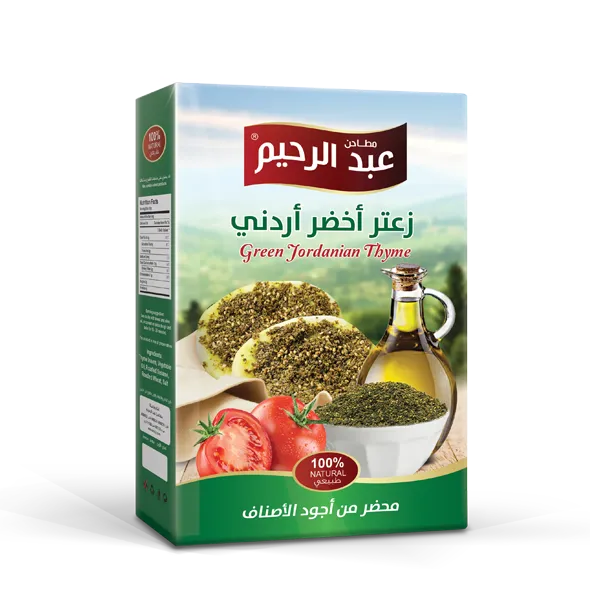
فلسطين · Jordan · Palestinian heritage — AbdulRahim Mills
Green Jordanian Thyme
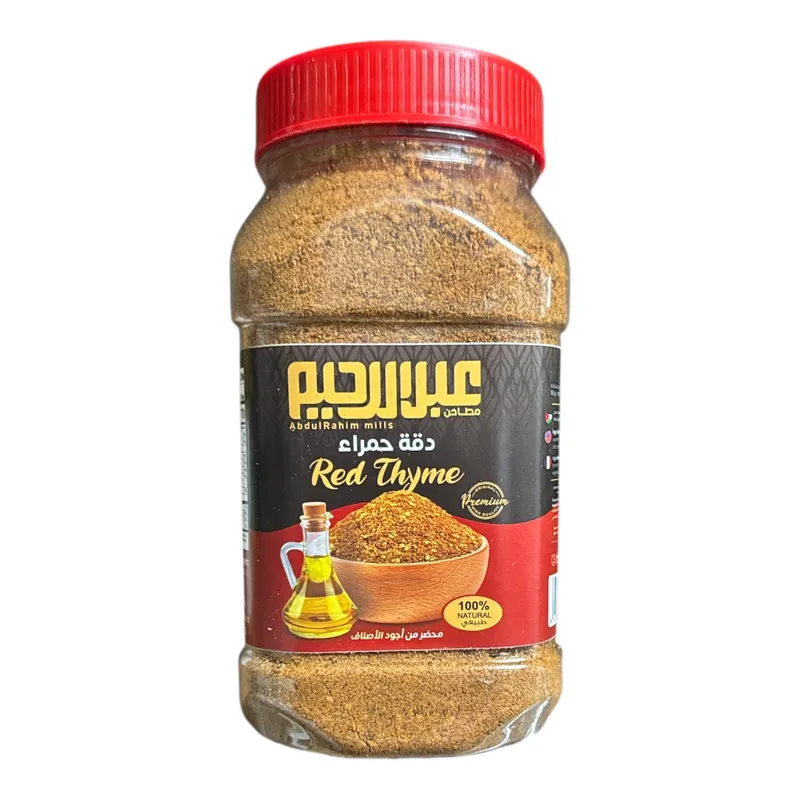
فلسطين · Jordan · Palestinian heritage — AbdulRahim Mills
Red Thyme (Za'atar-Style Blend)زعتر أحمر
500g
Who orders za'atar wholesale in the GTA
Bakeries making manakish are the anchor buyer — za'atar and olive oil are the topping the flatbread is built around. Restaurants use it as a table condiment and marinade base; grocers stock it as a shelf staple their Arabic-speaking customers already look for by name. Toronto CMA's 163,405 Arabic conversant residents (2021 Census) are the customer base behind that shelf demand.
Green vs red — two blends, two uses
Green Jordanian thyme is the lighter, more herbaceous blend, closer to a pure thyme character. Red thyme, za'atar-style, leans more sumac-forward and tart, in the style many buyers associate with a classic manakish topping. See our green vs red za'atar guide for how that difference plays out on the plate, and Palestinian vs Jordanian za'atar for how regional style names map to what's actually in the jar.
How to judge za'atar quality before you order
Colour, sesame ratio and how the thyme smells when the bag is opened are the three fastest checks: a good blend shows visible toasted sesame rather than an all-green powder, smells like thyme rather than dust, and the sumac (in a red-style blend) reads tart rather than flat. Our how to judge quality za'atar answer goes deeper into what separates a well-made blend from a cheap filler-heavy one, which is worth reading before a first order lands.
Formats and reordering
This is a two-line category today, which keeps the offer focused rather than broad — the red thyme blend ships in a 500 g retail pack, and both lines are quoted by the case for larger orders. Za'atar reorders well alongside the rest of a spices program, since both come from the same AbdulRahim Mills mill in Amman and quote together in one inquiry.
Buying questions, answered
What's the difference between green and red za'atar?
Green za'atar leans more herbaceous and thyme-forward; red za'atar-style blends lean more sumac-forward and tart, closer to what many buyers expect on a classic manakish. See our green vs red za'atar guide.
Is your za'atar Palestinian or Jordanian style?
AbdulRahim Mills mills to Palestinian heritage from Amman, Jordan — see Palestinian vs Jordanian za'atar for how those regional style names actually map to blend composition.
How do I know if a za'atar blend is good quality before I order?
Look for visible toasted sesame rather than an all-powder mix, a fresh thyme smell, and tart (not flat) sumac in a red-style blend. Our judging za'atar quality answer covers the full checklist.
Does za'atar go bad, and how should a kitchen store it?
It has a working shelf life like any dried herb blend rather than an indefinite one. See storing za'atar in a commercial kitchen for practical handling once a case is opened.