For Grocers & Retailers
Ma'amoul at Christmas and Easter: the other Levantine seasonal peaks
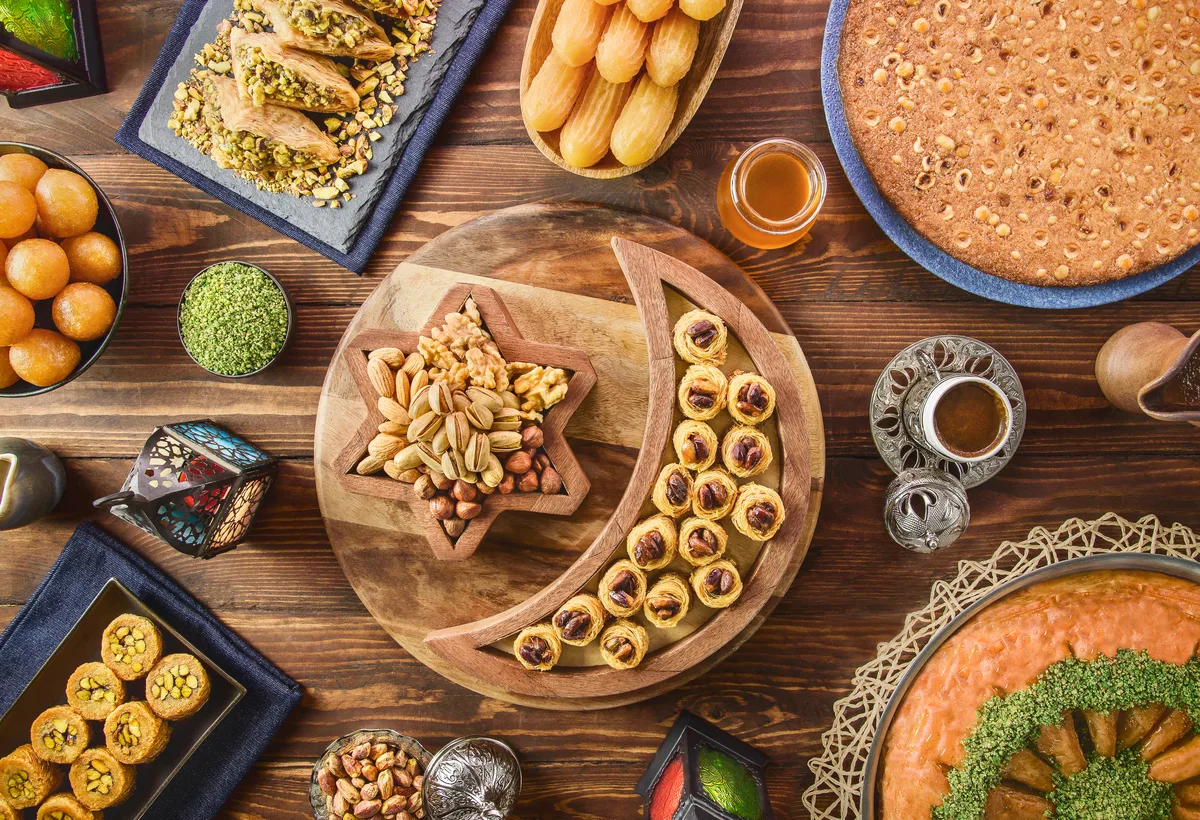
Ma'amoul is usually filed under Eid, but in Levantine homes it is equally an Easter and Christmas cookie — Lebanese, Syrian, Palestinian and Egyptian Christian families bake and buy the same date- and nut-filled shortbread for their feasts. For a GTA retailer that means the 'seasonal' Levantine sweets shelf actually has three peaks a year, and two of them sit inside the mainstream holiday calendar.
Here is how to run the Christmas and Easter windows: who is buying, what to stock for each, and how to merchandise a cookie that carries a story most of your shoppers haven't heard yet.
One cookie, three feasts
Across the Levant, ma'amoul marks the end of a fast: Eid al-Fitr after Ramadan for Muslim families, Easter after Lent for Christian ones, with Christmas as the third great baking occasion. The fillings each have their place on the feast tray — dates, walnuts, pistachios — and the moulded patterns traditionally tell you what is inside; what are ma'amoul and the fillings guide cover the full story your shelf talker can borrow from.
Mind the calendar mechanics: Easter moves every year, and Western and Eastern (Orthodox) Easter often fall on different Sundays — many GTA Levantine families follow the Eastern date. Check both before you plan the display window, and when they diverge, treat the two as one extended season rather than two separate resets.
The communities behind the demand
In the 2021 Census, Toronto CMA residents reported 25,315 Lebanese, 19,370 Syrian, 15,330 Palestinian and 35,265 Egyptian origins — response counts, since respondents can report more than one origin (Statistics Canada, 2021 Census). These communities include large, long-established Christian populations, with Maronite, Melkite, Orthodox and Coptic parishes across the GTA — households for whom holiday ma'amoul is as non-negotiable as shortbread is elsewhere.
The second buyer is the gift shopper with no diaspora connection at all: a boxed ma'amoul reads as a premium, story-rich alternative to chocolates for hosts, teachers and office exchanges. The story card does the selling — this is a cookie with a few thousand years of feast tradition behind it, and it looks the part.
What to stock for each window
The range is Hamdan's — a Damascus-origin house working from Jordan: Luxury Ma'amoul Dates and Ma'amoul with Turkish Delight in twenty-piece boxes for gifting, Ma'amoul Ajweh in 400-gram packs for the family tray, and Ghraybeh and Barazek as the supporting cast. Everything is shelf-stable, so an over-order rolls forward to the next feast instead of the bin.
| Window | Lead the display with | Support lines |
|---|---|---|
| Christmas (Nov–Dec) | Luxury Ma'amoul Dates, Ma'amoul with Turkish Delight | Ghraybeh, barazek, cardamom coffee for gift pairings |
| Easter (window varies — check Western and Eastern dates) | Ma'amoul Ajweh, Ma'amoul Date with Cardamom, Ka'ak Eleid | Nawashif mix trays for family gatherings |
| Eid (moves with the lunar year) | Full ma'amoul range plus gift boxes | See the Ramadan calendar for the month-long build-up |
Merchandising the story
Four habits carry the seasonal shelf:
- Tell the fast-and-feast story on a card. 'The cookie that ends the fast — baked for Easter, Eid and Christmas across the Levant' does more work than any discount sticker.
- Pair with coffee. A ma'amoul box plus cardamom coffee is a ready-made host gift; stack them together and let the pairing price itself.
- Bridge the aisles. At Christmas, give ma'amoul a facing beside the mainstream holiday baking, not only in the international set — the gift shopper doesn't walk the international aisle.
- Plan the three peaks as one calendar. The Eid build-up belongs to the Ramadan retail plan, and year-round ma'amoul volume for cafés and counters is covered in the ma'amoul wholesale guide.
Related questions
Why does ma'amoul sell at Christmas and Easter?
Because it is a feast cookie, not an Eid-only one. Levantine Christian families bake and buy ma'amoul to end the Lenten fast at Easter and to mark Christmas, the same way Muslim families do for Eid — the GTA's Lebanese, Syrian, Palestinian and Egyptian communities all carry the tradition.
When should Easter stock arrive?
Several weeks before the earlier of the two Easters that year. Western and Eastern Easter often differ, and many Levantine families follow the Eastern date — check both calendars and run one extended window when they diverge.
Is ma'amoul shelf-stable enough for seasonal buying?
Yes. Sealed boxes store at room temperature with long code dates — check each carton's dates on receipt — so a Christmas over-order can legitimately roll to Easter. Store cool and dry, away from direct sun.
How far ahead should a store order ma'amoul for Christmas or Easter?
Place the inquiry four to six weeks before the holiday window opens. Imported sweets are shelf-stable, so arriving early costs nothing in freshness, while a late order risks missing the short burst when the ma'amoul actually sells. One combined inquiry covering both the Christmas and Easter windows lets the quotation and delivery consolidate — see how inquiry ordering works.