Soap & Natural Care
Handmade Soap Supplier in Toronto: Aleppo-Tradition Bars
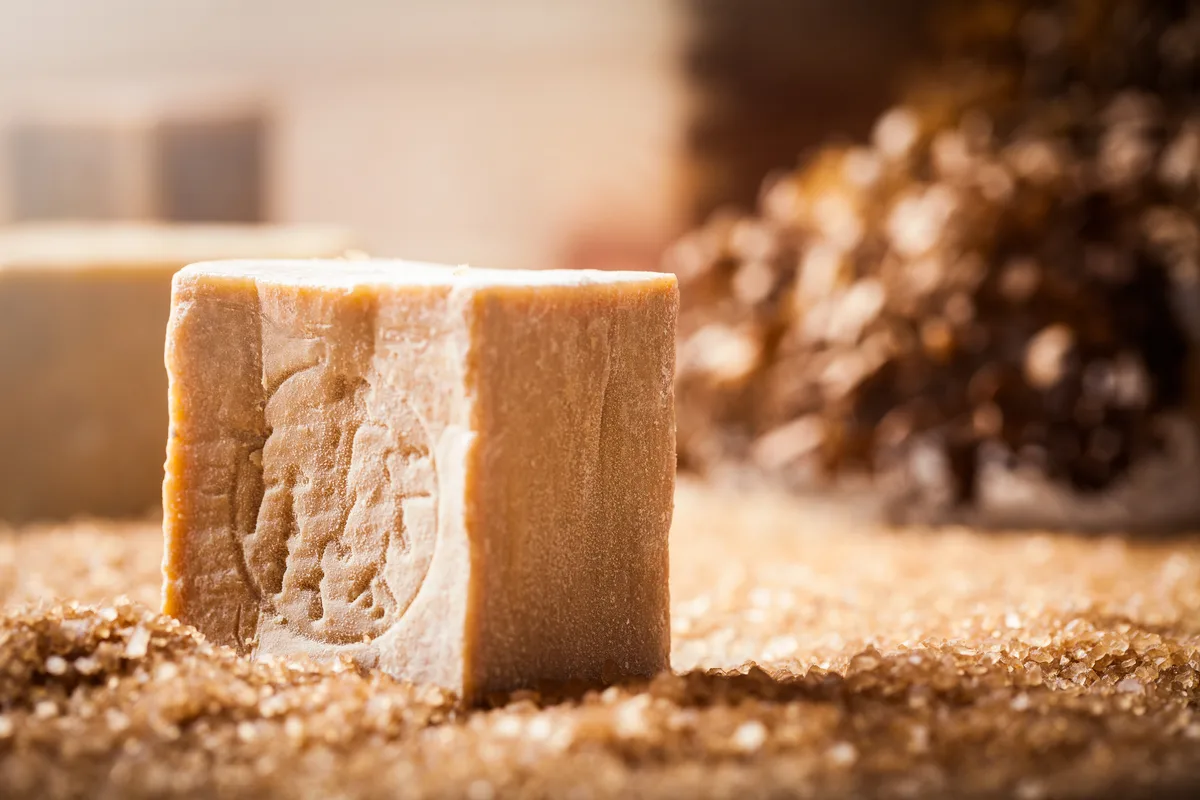
Levant Direct supplies handmade soap to Toronto retailers, spas and hospitality buyers from Nader Barakat & Sons — a family house that has hand-cut and hand-stamped Aleppo-tradition bars since 1979. Nader Barakat B5 A106, a 220 g everyday bar, and Zanabili N141, a 200 g bar, are two of the 23 lines in the range, quoted by the carton with GTA delivery.
We say plainly where the soap is actually made, because a real answer builds more trust than a vague one: production today runs from Gaziantep, Türkiye, not from inside Aleppo itself. This page covers what 'handmade' means for this range specifically, that Gaziantep detail in full, and how Toronto buyers order it.
What 'handmade' actually means for this range
Every bar in the Barakat range is cooked from olive oil and laurel oil, poured, cut by hand — traditionally by craftsmen walking the setting soap in wooden shoes — and hand-stamped with the family name before air-drying for six to nine months. That process, and the roughly 3,000-year tradition behind it, is what UNESCO recognized in December 2024 when it inscribed the craftsmanship of Aleppo ghar soap on its Representative List of Intangible Cultural Heritage. It's the reason the stamp on the bar matters: it's a maker's signature on a genuinely hand-worked product, not a printed logo.
The honest Gaziantep note
Nader Barakat & Sons has worked in the Aleppo tradition since 1979, and production today runs from Gaziantep, Türkiye, where the family relocated the craft rather than abandon it. That's not a lesser substitute or a workaround — it's the same recipe, the same hand-cutting and hand-stamping, carried forward by the people who knew the process, in a city with long-standing trade and family ties to Aleppo. A supplier who states its actual production city plainly, rather than leaving 'Aleppo' vague on the label, is giving a Toronto buyer more to verify, not less. See is your Aleppo soap supplier based in Türkiye, not Aleppo? for the fuller explanation.
The two bars, and the wider range
| Line | Weight | Fit |
|---|---|---|
| Nader Barakat B5 A106 | 220 g bar (48 pieces, net 10.56 kg) | Core retail shelf, high-turnover everyday bar |
| Zanabili N141 | 200 g bar | Alternate everyday scent and stamp for shelf variety |
Supplying Toronto retailers and hospitality buyers
Toronto CMA's Arabic-conversant population — 163,405 people per the 2021 Census — is a customer base that already recognizes Aleppo soap by name and by stamp, which is a real advantage for a retailer new to the category. Beyond retail shelves, hotels and short-term rental operators in the GTA stock the smaller bar weights as guest amenities; see what soap works for stocking multiple Airbnb units for how that sizing works.
Ordering follows the standard catalogue model: build a list of bars and cartons into one inquiry, and a written quotation follows, typically within a business day, with delivery across the GTA. Soap is shelf-stable and genuinely improves with age, so a first order can be sized generously without spoilage risk.
What to check on delivery
A genuine hand-stamped bar shows the maker's name pressed into the surface, a gold-brown exterior that deepens with age, and — when cut — a visible green core from the laurel oil. A Toronto retailer stocking this category for the first time should look for those three signs on arrival rather than assuming any 'Aleppo-style' soap meets the same standard; an unstamped bar with no visible craft marks is the usual sign of a generic import rather than a genuine Nader Barakat & Sons bar.
It's also worth asking any handmade soap supplier — us included — how the bar was cured before it shipped. A soap air-dried for six to nine months, as the traditional process calls for, handles and lathers differently from a soap cured for only a few weeks, and a supplier who can speak to that curing timeline directly is a more reliable long-term partner than one who can't.
Related questions
Is this soap actually handmade, or a mass-produced import?
Handmade — hand-cut and hand-stamped by craftsmen following the traditional Aleppo process, not machine-extruded. The family behind it, Nader Barakat & Sons, has worked this craft since 1979.
Is the soap really from Aleppo?
Production today is based in Gaziantep, Türkiye, where the family relocated the craft. It's the same UNESCO-recognized process and family name continuing under a new address, which we state directly rather than imply otherwise.
Do you deliver to Toronto retailers directly?
Yes — we quote and deliver across the GTA. Build your soap order into one inquiry with quantities and a written quotation follows, typically within a business day.