Sourcing & Wholesale
How to buy Middle Eastern food wholesale in Toronto: a working guide for restaurants and grocers
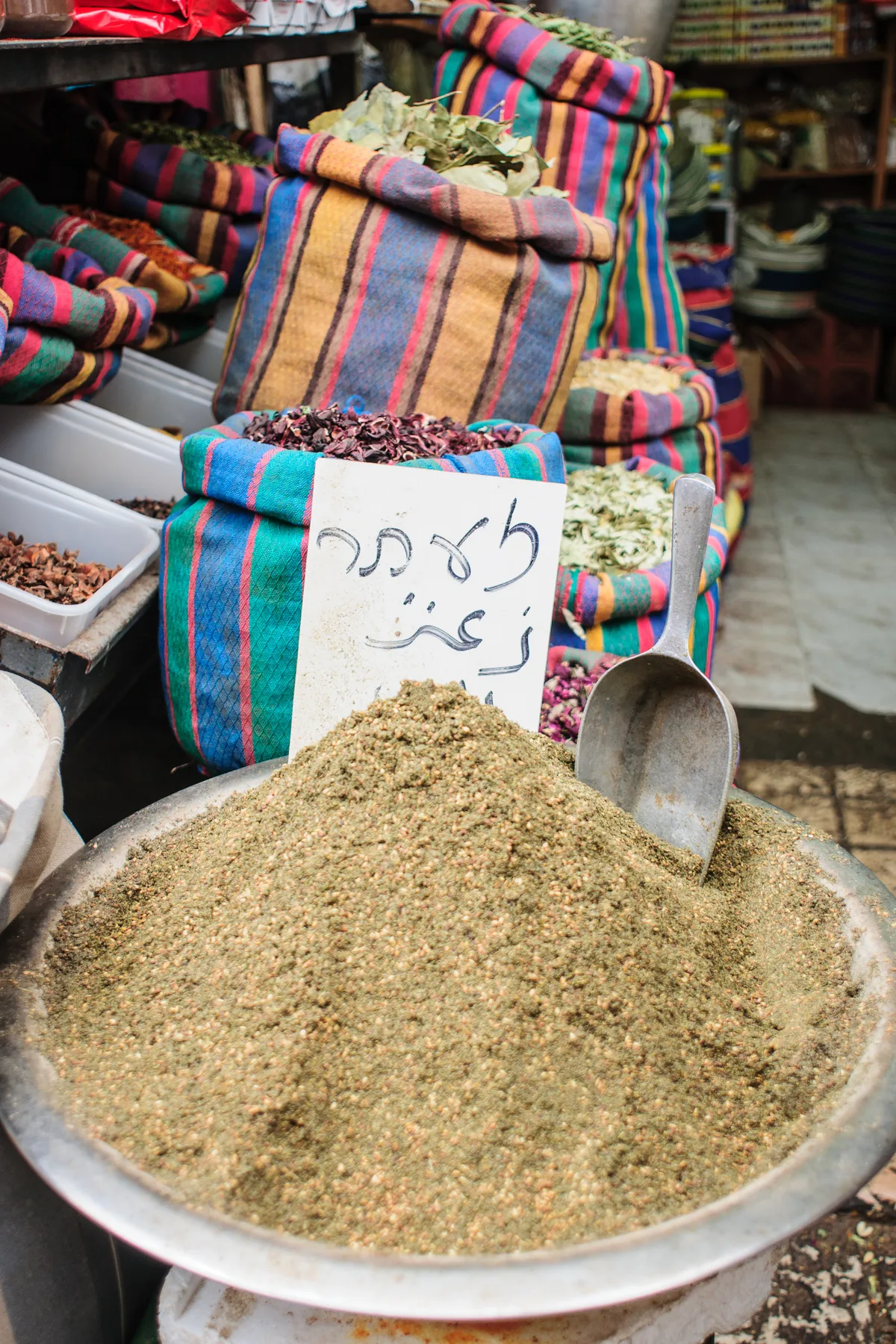
There are three practical ways to buy Middle Eastern food wholesale in the Toronto area: a general cash & carry, a specialist distributor, or a quote-based import catalogue like Levant Direct. Cash & carries win on same-day pickup but carry one or two Levantine SKUs per category; specialist distributors know the products but rarely publish their range; import catalogues give you the deepest authentic selection with a day's wait for a quotation.
This guide walks through how each channel works, what each is genuinely good at, and how case-based, quote-first ordering — the standard in this category — actually plays out for a working kitchen or a grocery shelf.
The three wholesale channels, compared
Most GTA operators end up using more than one channel. The trick is knowing which purchases belong where: emergency top-ups belong at a cash & carry, core authentic lines belong with a specialist, and the products your customers judge you on — the za'atar on your manakish, the soap on your shelf — are worth importing properly.
| Channel | Strength | Weakness | Best for |
|---|---|---|---|
| Cash & carry | Same-day pickup, one invoice for everything | One or two Middle Eastern SKUs per category, origin rarely stated | Emergency top-ups, generic staples |
| Specialist distributor | Knows the products, delivers on account | Range not published; you order from a rep's list | Established restaurant accounts |
| Quote-based import catalogue | Full range visible online, producer named on every product, sourced from origin | Quotation takes about a business day; case quantities | Core authentic lines, retail programs, planned menus |
Why this category runs on quotes, not list prices
Almost every serious wholesale supplier of Levantine goods — importers, soap houses, tahini producers — gates pricing behind an inquiry. That isn't evasiveness; it's how case pricing works. Your rate depends on case counts, mixed-pallet composition, delivery point and frequency, so a single list price would either overcharge small buyers or undercharge large ones.
At Levant Direct the model is explicit: browse the catalogue, add what interests you to an inquiry list with quantities, and send it once. You get one written quotation back — typically within a business day — covering every line, so you can compare it item by item against what you pay today. Nothing is committed by asking; see how ordering works.
What 'authentic' means when you buy at wholesale
The difference between a Levantine pantry line that sells and one that sits is usually origin. A za'atar blended in a Canadian plant from imported thyme is a different product from Green Jordanian Thyme milled by a Palestinian family firm, and your Levantine customers can tell from across the shelf.
When you evaluate any wholesale source, ask three questions: who actually made this (a producer name, not a brand shell), where was it made, and can the supplier say so in writing? Our catalogue names the house on every product — from Ibrahim Srour's pistachio halawa pressed to a Damascus recipe to Nader Barakat's laurel soap made in the Aleppo tradition — because the producer is the product.
- Producer named: every product should carry the maker's name, not just an importer's label.
- Origin stated: country and, ideally, the tradition it belongs to (Damascus halawa, Aleppo soap, Gaziantep tahini).
- Case format published: pack sizes and cases per carton, so you can plan shelf and storage before you ask for a quote.
Planning your first case order
Case quantities frighten first-time buyers less once you translate them into service. A case of twelve 700-gram jars is not 'a lot of pomegranate molasses' — for a shawarma restaurant dressing salads daily, it's a few weeks of service from a shelf-stable product.
Start with the lines that touch the most menu items or shelf facings: spices and za'atar, olive oil, and whatever your concept is known for. Add adjacent lines to the same inquiry — spices, sweets for the counter, Aleppo soap if you retail — because mixed inquiries quote better than single-line ones and consolidate delivery.
One habit worth stealing from experienced buyers across Mississauga, Scarborough and North York: send your whole wish list in one inquiry even if you only intend to start with half of it. The quotation shows you where the value is, and the unused half becomes your reorder shortlist.
Related questions
Is there a minimum order for wholesale Levantine goods?
Minimums vary by supplier and product; case quantities are the working unit. With a quote-based catalogue you simply state the quantities you want and the quotation reflects them — asking costs nothing and commits you to nothing.
Do wholesale suppliers deliver across the GTA?
Most specialist suppliers, including Levant Direct, serve the whole Greater Toronto Area — Toronto, Mississauga, Brampton, Scarborough, Vaughan, Markham and beyond. Delivery specifics are confirmed on the quotation.
Can a small café or shop buy wholesale, or is it only for big restaurants?
Cafés, bakeries, small grocers and gift retailers buy by the case constantly. Shelf-stable Levantine goods — spices, molasses, halawa, soap — suit small operations because a single case lasts weeks without refrigeration.