Soap & Natural Care
Natural Soap Bars Wholesale in Canada: The Imported-Artisan Case
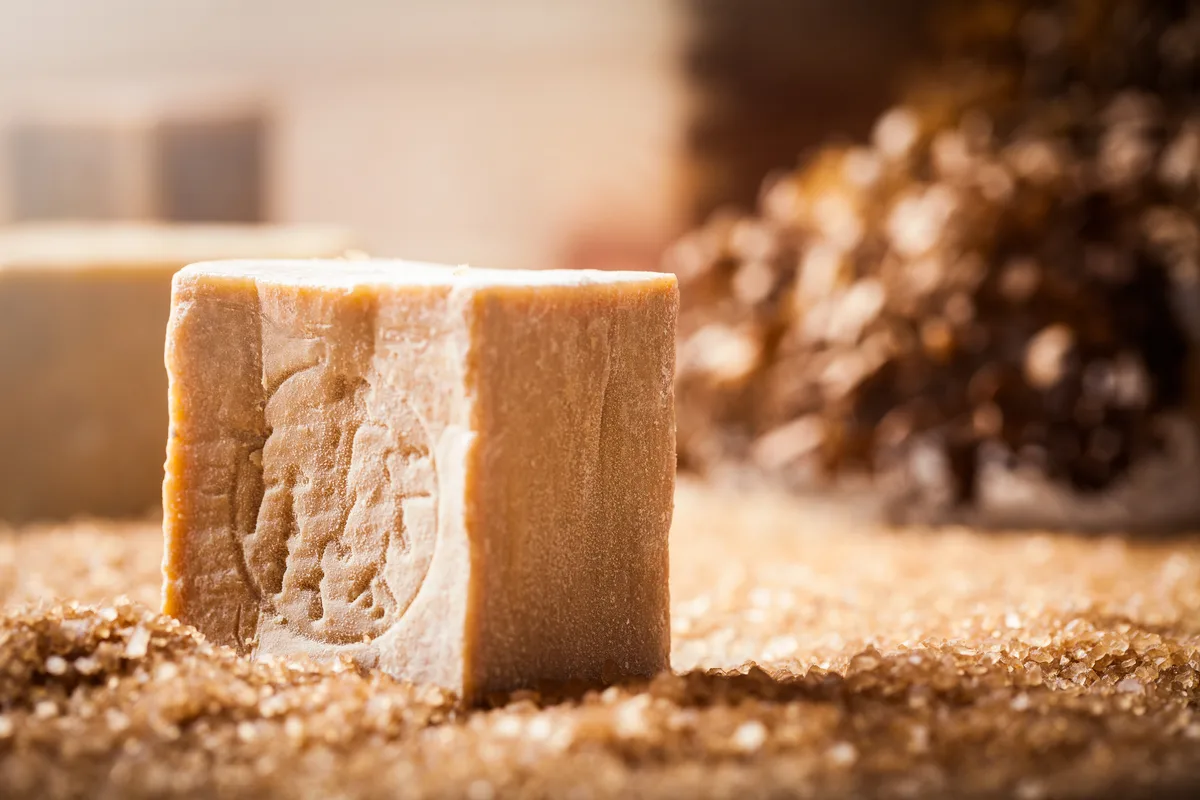
Natural soap bars wholesale in Canada, from Levant Direct, means real specification, not a marketing description: three olive-and-laurel-oil bars — janat alghar A120 at 200 g, Green Tree N138 at 200 g, and Ghar Kasab A117 at 180 g — cut and hand-stamped by Nader Barakat & Sons, a soap house working a craft UNESCO inscribed as roughly 3,000 years old when it recognized Aleppo soap-making in December 2024. That's the fact most 'natural soap' listings in Canada can't put next to their product.
The Canadian natural-soap SERP is crowded with small-batch domestic makers — real, often excellent cold-process soap, made in-country in the last few years. This page makes the honest case for the other option: soap that's been made the same way for generations, sold at importer pricing rather than a domestic maker's per-unit cost, quoted by the carton.
What 'natural' means here, stated plainly
This range is cosmetic and traditional, not medicinal — a washing bar built from olive oil and laurel oil, cut, hand-stamped and air-dried for months rather than a same-day cold-process batch. 'Natural' in this context refers to the traditional formulation and process, not any treatment or wellness claim; nothing in this range treats, cures or medicates, and it shouldn't be marketed that way.
What genuinely sets it apart from most Canadian small-batch soap is the process itself: air-drying for six to nine months, done because it's how the craft has always worked, not as a marketing choice a domestic maker could simply replicate by drying a batch a few weeks longer.
The three formats, side by side
| Line | Weight | Character |
|---|---|---|
| janat alghar A120 | 200 g bar | Balanced olive-and-laurel, core shelf item |
| Green Tree N138 | 200 g bar | Everyday, milder scent profile |
| Ghar Kasab A117 | 180 g bar | Laurel-forward, virgin olive oil stated on the name |
Imported-artisan vs. domestic small-batch — the honest comparison
A Canadian DTC soap maker typically buys carrier oils, formulates a recipe, cures for four to six weeks, and sells directly at a price that reflects domestic labour and small production runs. That's a legitimate, often high-quality product — but it's a different thing from what this range is. Nader Barakat & Sons has worked in the Aleppo tradition since 1979 and now produces from Gaziantep, Türkiye, using a two-ingredient recipe and a hand-craft process passed through the family rather than developed as a house recipe in the last decade.
The practical difference for a Canadian retailer is pricing structure as much as provenance: buying wholesale from an importer who carries a 23-line range means access to volume-based quoting a single small-batch maker generally can't offer, alongside a story — the maker's stamp, the tradition, the UNESCO recognition — that's already built into the product rather than something the retailer has to construct in their own marketing copy.
Building a shelf around these three bars
These three sit well as a starter set for a retailer testing the category: two everyday 200 g bars at slightly different scent profiles (janat alghar and Green Tree) plus one laurel-forward 180 g bar (Ghar Kasab) for a buyer who wants a stronger, more traditional scent. From there, the full Aleppo soap range covers scented specialty lines, compact gift sizes and bulk cartons if the shelf grows. Retailers new to reselling soap should also read wholesale soap for resale before a first order — it covers trial sizing and Canadian labelling if you plan to repackage.
A first order sized around this three-bar starter set is easy to rebalance on reorder once real sell-through data comes in — soap doesn't spoil, so there's little downside to stocking slightly generous on whichever bar the shelf tells you customers actually reach for, and trimming the others back on the next quotation.
Reading the maker's stamp before you buy
Every genuine bar in this range carries a hand-pressed stamp naming the soap house — the built-in authenticity mark this craft has always relied on, since there's no third-party certification body standing behind an 'Aleppo soap' claim the way there might be for, say, an organic label. A retailer sourcing 'natural soap bars' from an unnamed or unstamped supplier has no equivalent way to verify what they're actually reselling; buying from a named house with a consistent, verifiable stamp is the practical safeguard in a category that otherwise runs on trust alone.
Related questions
Is this soap actually handmade, or machine-produced?
Hand-cut and hand-stamped by craftsmen, following the traditional Aleppo process — olive and laurel oil brewed, poured, cut, stamped with the family name, and air-dried for months. It's not a machine-extruded bar.
How does this compare in price to Canadian small-batch soap?
We don't publish prices — every order is quoted — but importer pricing on a 23-line range is generally more favourable for volume retail than buying from a single small-batch domestic maker unit by unit. Ask for a quotation to compare directly.
Does 'natural' mean it's certified organic?
No. We don't hold or claim an organic certification for this range — 'natural' here describes the traditional two-oil formulation and process, not a certification. Confirm any specific certification need with us before ordering if it's required for your program.