Product Guides
Pomegranate molasses, explained: how it's made, read on a label, and judged
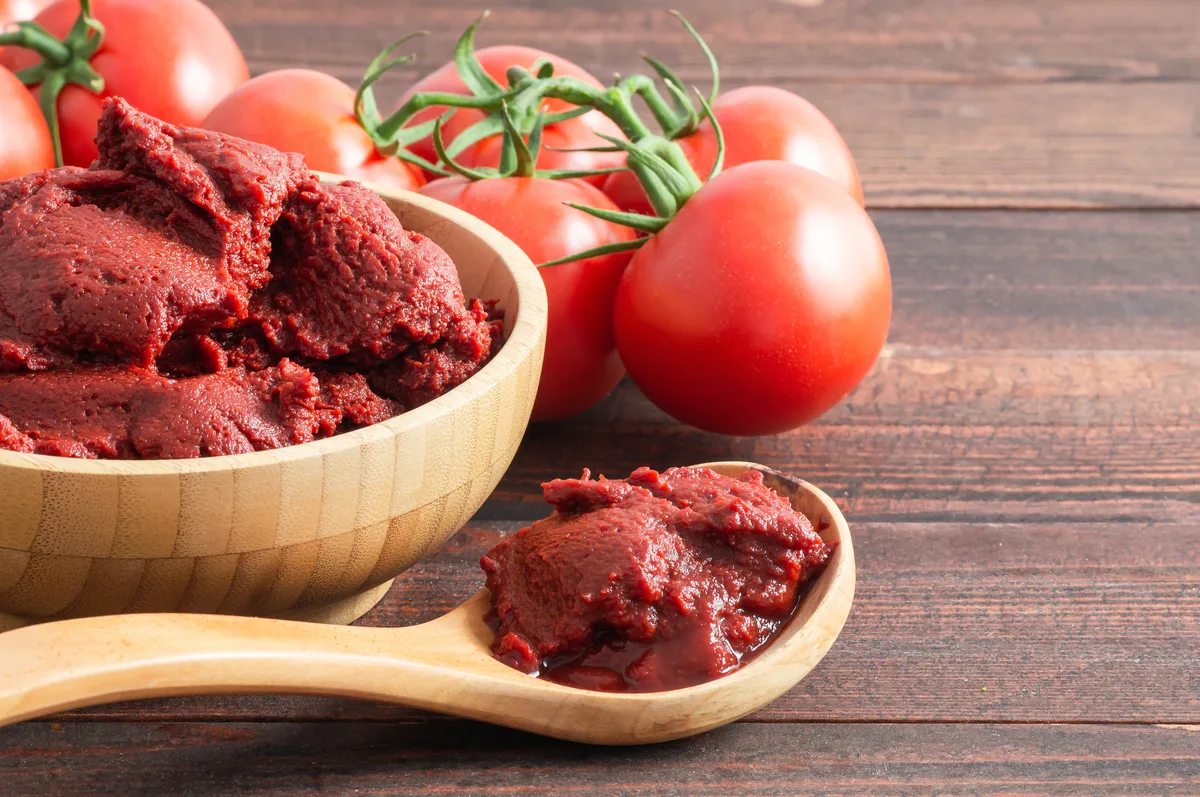
Pomegranate molasses is pomegranate juice reduced slowly over heat until it thickens into a dark, tart-sweet syrup — no added sugar or thickener required in a traditional version, just juice and time. It's a mountain tradition across the Levant, recognized by Slow Food's Ark of Taste as a product tied specifically to that region's food culture, made by simmering juice down until it concentrates into syrup (Slow Food Foundation, fondazioneslowfood.com).
Our catalogue carries Zer's Pomegranate Sauce, labelled as a pomegranate molasses dressing — a molasses-based product built for drizzling and dressing rather than a plain reduction, which is worth knowing before you reach for it in a recipe calling for pure molasses.
How pomegranate molasses is actually made
Fresh pomegranate juice — pressed, not concentrate reconstituted with water — is simmered down uncovered until most of the water evaporates and what's left is a syrup thick enough to coat a spoon. The reduction concentrates both the fruit's natural sugar and its acidity, which is why the finished syrup reads sweet-and-sour rather than simply sweet. In the Levant mountains where the tradition is strongest, harvest and pressing traditionally follow the Feast of the Cross in mid-to-late September, timed to the pomegranate crop; two varieties, malissi and ras el-baghl, are particularly favoured in Lebanon and Syria for their balance of sugar and acid (Slow Food Foundation, fondazioneslowfood.com).
Reading the label: pure reduction vs. a dressing or sauce
Not every bottle labelled 'pomegranate molasses' is a plain reduction, and the ingredient list is the only reliable way to know which you have. A pure product lists pomegranate juice — sometimes with a small amount of sugar or citric acid to stabilize it — and nothing else. A dressing or sauce style, like Zer's Pomegranate Sauce in our catalogue, is built specifically for drizzling and finishing rather than as a raw reduction for cooking down further. Check the label against your use case — a muhammara base, a fattoush dressing, or a glaze — before you commit a case order to one bottle style.
| Style | Ingredients typically read | Best use |
|---|---|---|
| Pure reduction | Pomegranate juice (± sugar/citric acid) | Cooking into muhammara, marinades, reductions |
| Molasses-based dressing/sauce | Pomegranate molasses plus oil or other seasoning | Finishing drizzle, salad dressing, glazing |
How buyers judge pomegranate molasses
Colour and consistency are the fastest read: a well-made molasses is deep mahogany to near-black, thick enough to cling to a spoon rather than run off it, and balanced between sweet and sharply sour rather than one-note sweet. The classic test-kitchen use is muhammara, the Aleppo-style walnut and red pepper dip, where the molasses has to carry real tartness against roasted pepper and walnut or the dip reads flat. If a bottle tastes mostly sweet with little sourness, it's likely been cut with sugar syrup rather than reduced from juice alone. Viscosity is worth checking cold as well as at room temperature, since a genuine reduction thickens noticeably when chilled and loosens again as it warms — a product that stays thin regardless of temperature is a signal to check the ingredient list more closely.
Where pomegranate molasses actually goes on a menu
Muhammara is the dish most associated with the ingredient — roasted red pepper and walnut worked into a dip or spread, with molasses providing the tartness that keeps the roasted sweetness in check — but it earns its place well beyond that one recipe. A fattoush dressing built on pomegranate molasses instead of plain vinegar reads noticeably more complex, sweet and sour in the same spoonful. Brushed onto chicken, lamb, or roasted vegetables partway through cooking, it caramelizes into a glaze the way a barbecue sauce would, but with a sharper, fruitier edge. Even a simple drizzle over labneh or hummus gives a plating a finished look with almost no extra prep, which is part of why the bottle earns shelf space in both a working kitchen and a retail pantry aisle.
Buying pomegranate molasses by the case
For kitchens using it in dressings, glazes and marinades, or grocers stocking the sauces and pastes shelf, case quantities of a shelf-stable bottled product make straightforward sense — it doesn't need refrigeration unopened and holds its flavour well once opened if kept sealed between uses. Zer's Pomegranate Sauce ships in a 315 g PET bottle by the case of 15, sized for both a working kitchen and a retail shelf facing.
Related questions
What is pomegranate molasses?
It's pomegranate juice reduced by simmering until it thickens into a dark, tart-sweet syrup — traditionally just juice, sometimes with a little sugar or citric acid, and no other additives.
Is pomegranate molasses the same as grenadine?
No. Grenadine is a sweetened, often artificially flavoured cocktail syrup with little or no actual pomegranate reduction in most commercial versions. Pomegranate molasses is a savoury-leaning kitchen ingredient, sharply tart, built for cooking rather than mixing drinks.
What can I substitute if I run out of pomegranate molasses?
A reduction of pomegranate juice with a little lemon juice and sugar comes closest in flavour; balsamic glaze is a workable stand-in for colour and body in a pinch, though it reads sweeter and less tart than the real thing and lacks the fruity edge pomegranate brings.
Does pomegranate molasses need refrigeration after opening?
No — its concentrated sugar and acid content make it shelf-stable at room temperature even after opening, though keeping it sealed and away from direct heat preserves flavour longest and slows any gradual thickening in the bottle.