Soap & Natural Care
Storing and displaying Aleppo soap at retail
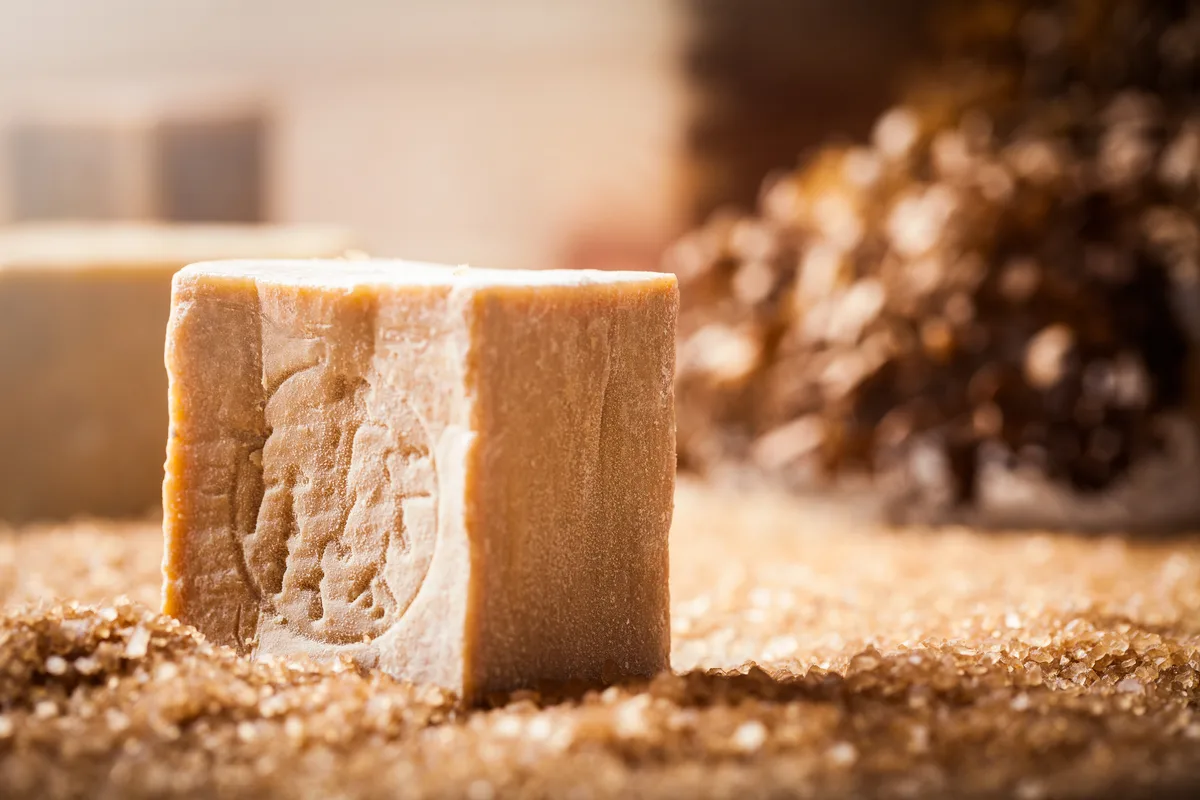
Aleppo soap stores best cool, dry and ventilated — never sealed in plastic or stacked airtight — and unlike almost anything else on a personal-care shelf, it improves with age rather than expiring. That follows directly from the tradition itself: bars are air-dried for six to nine months before they're even offered for sale (UNESCO, 2024), so a bar that keeps curing quietly on your shelf for another few months is doing exactly what it's meant to.
This guide covers the storage basics, why age is an asset rather than a liability here, and a few display ideas that turn the tradition itself into the sales pitch.
Storage: cool, dry, breathable
Three rules cover most of it. Keep bars out of direct, prolonged heat — a stockroom shelf away from radiators or sun-facing windows is fine. Keep them dry; humidity is the one real enemy of a curing soap, softening the surface and slowing the process the bar is still going through. And keep air moving around them — an open crate, a wicker basket or a ventilated box beats a sealed plastic tote every time.
None of this requires special equipment. A dry stockroom shelf and an open display basket satisfy all three rules without any investment beyond what most retailers already have.
Seasonal humidity matters more than seasonal temperature. A hot, dry summer stockroom does no harm at all; a humid one, or a basement storage area prone to damp, is the condition worth actively managing — extra ventilation or a raised shelf away from the floor solves most of it.
Why age is an asset here
Most shelf-stable goods are a race against a best-before date. Aleppo soap runs the opposite way: the tradition itself calls for six to nine months of drying before a bar is considered ready, and it continues to harden and mellow afterward (UNESCO, 2024). A harder, more fully cured bar also lasts longer in use, which is a genuine selling point rather than a marketing stretch — see does Aleppo soap expire for the short customer-facing answer.
Practically, this means slow-moving stock isn't a loss the way it would be for a perishable good. A case that sits in the stockroom for an extra season isn't a write-off; it's a slightly better bar than the one that shipped.
This is also a genuine point of difference to raise with customers who are used to buying personal-care products with an expiry date printed on the box. A bar that has no such date, and gets better rather than worse while it waits, is a small but real reason to trust the category over a mass-market alternative. It's also a useful line for staff to have ready — a genuine answer to 'is this still good?' that most personal-care products simply can't offer.
Display ideas that sell the tradition
The story is the display. A few low-effort choices do most of the work:
- Face the stamp up. The maker's mark is the label on this product — an unstamped-face-down display wastes the one detail customers photograph.
- Cut one bar open. A cross-sectioned bar showing the gold-brown crust and green core outsells any printed sign explaining the same thing.
- Use open, breathable containers. Wicker baskets and open wooden crates keep the storage rules working in your favour while looking better than a sealed bin.
- Group by tier. Separating everyday bars from premium and scented lines — see Aleppo soap: history, craft and the laurel tradition for the tiers — helps customers self-select instead of grabbing whatever's closest.
Stock rotation and reordering
Because the product doesn't spoil, rotation matters less for safety than it does for keeping a display looking fresh and full. Move older stock to the front of a display periodically simply so the shelf reads as active, and use sell-through on your everyday tier as the signal for when to reorder rather than a calendar date.
Cases quote and deliver the same way as the rest of the Aleppo soap range — browse, add quantities to one inquiry, and a written quotation follows, typically within a business day. For the sourcing side of the range, see Aleppo soap wholesale in Canada.
A simple stockroom checklist
For staff handling receiving and restocking, five habits cover almost everything above:
- Store in open crates or ventilated boxes, never sealed plastic totes.
- Keep the storage area dry; treat a damp basement as a location to avoid.
- Rotate older stock to the front of a display periodically to keep it looking active.
- Display at least one cut bar so customers can see the crust and the core.
- Reorder based on sell-through of the everyday tier, not a fixed calendar date.
Related questions
Does Aleppo soap need refrigeration or climate control?
No. A normal dry, ventilated stockroom shelf is enough — avoid damp storage and prolonged direct heat, and the soap keeps fine at ordinary room conditions.
How long can I keep it on the shelf before it's a problem?
There's effectively no upper limit for a properly stored bar; it continues to harden and improve with age rather than degrading. Slow-moving stock is not the liability it would be for a perishable good.
Should display bars be wrapped or left unwrapped?
Either works, but an unwrapped or lightly wrapped display bar lets customers see and smell the stamp and the cut face, which is usually worth more at the point of sale than the tidiness of shrink wrap.