Soap & Natural Care
Aleppo Soap vs Moroccan Black Soap for a Spa Menu
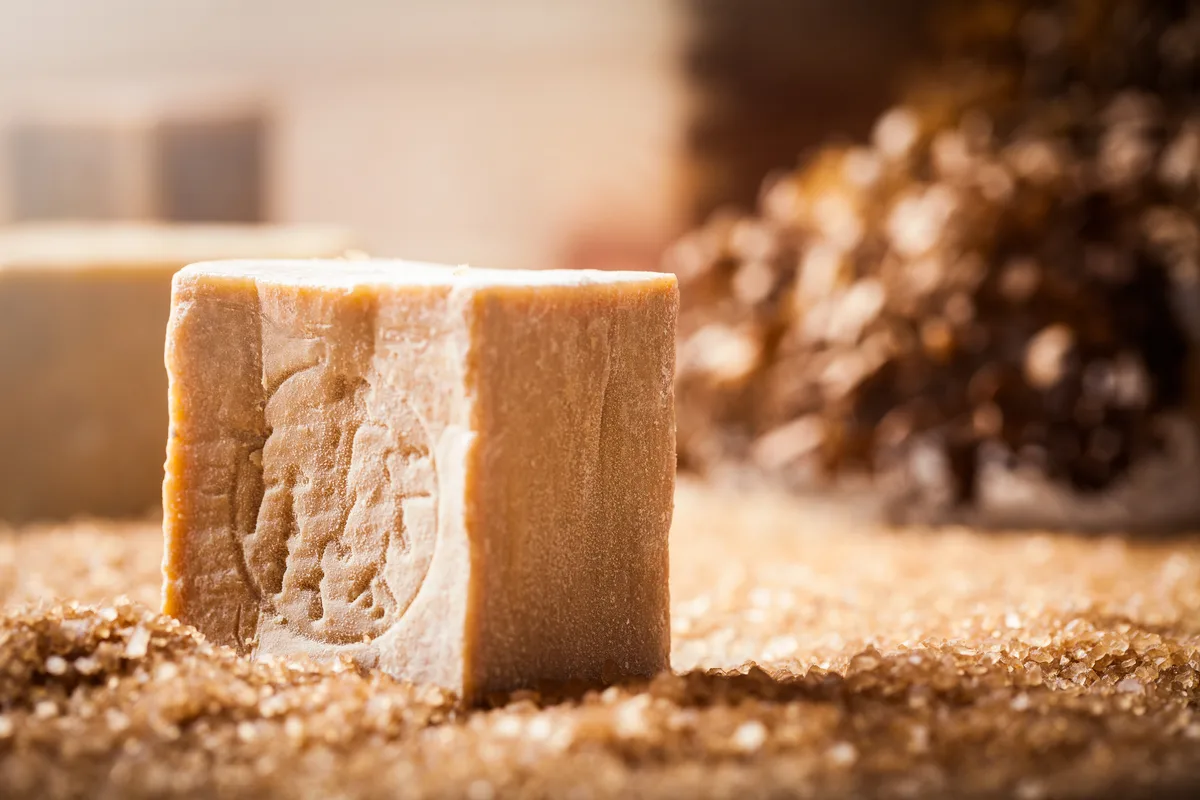
Most spa menus don't have to choose between Aleppo soap and Moroccan black soap — they use both, for different steps: Moroccan black soap as the pre-exfoliation paste in a hammam-style treatment, and Aleppo soap as the cleansing bar and take-home retail item. The two aren't competing versions of the same product; they're a different format entirely, olive-oil bar versus olive-oil paste, and the menu decision is really about which step of a treatment you're building, not which brand wins.
We carry both: janat alghar A120, a 200 g stamped bar from Nader Barakat & Sons, and Planta Elcaptain Moroccan Bath Soap from El Captain of Cairo. This page compares them on what a spa buyer can actually verify — format, composition and origin — not on which tradition is "better."
The two, compared on verifiable facts
Both start from olive oil. What changes is form, added ingredients and where each sits in a treatment.
| Aleppo soap (janat alghar A120) | Moroccan black soap (Planta) | |
|---|---|---|
| Form | Hard, cured bar, 200 g | Soft paste |
| Base | Olive oil (metraf) | Olive oil |
| Distinguishing ingredient | Laurel oil (ghar) | None added; near-pure olive-oil paste |
| Curing | Hand-stamped, air-dried, traditionally months (UNESCO, 2024) | Not a cured bar — sold ready to use |
| Traditional use | Head-to-toe wash, take-home retail bar | Worked into damp skin as a pre-exfoliation step |
| Made by | Nader Barakat & Sons, Aleppo tradition | El Captain, Cairo, following the Moroccan hammam format |
Where each earns its place on a treatment menu
Moroccan black soap's job is specific: it's the softening, pre-exfoliation step in a hammam-style ritual, traditionally worked over damp skin before a scrub, not a lathering bar in the way a bar of soap is used. That single, well-defined role is why it belongs on the treatment-room side of a spa menu rather than a retail shelf on its own — most guests won't recognize the paste format without a treatment or a shelf card explaining it.
Aleppo soap's job is broader: it's a genuine, hand-stamped bar that works as an everyday cleansing bar in the treatment room and, unlike the paste, as a retail item a guest recognizes on sight and buys to take home. A spa building a hammam-style signature treatment around the paste can extend the same visit into a retail sale with a stamped Aleppo bar at the front desk — two products from two different traditions, each doing a job the other doesn't.
Shelf behaviour and format, not just tradition
The practical difference a spa manager plans around is shelf and stocking behaviour, not just heritage. A hard, cured bar holds up to weeks of repeated wet use in a treatment room and needs no special storage; a paste in its jar or tub is used differently and doesn't sit on a retail shelf the same way a wrapped bar does — see Moroccan black soap wholesale for what our specific packaging format is and isn't confirmed to be. Aleppo soap's 200 g stamped format is retail-ready as-is; a spa building a broader bulk treatment-room supply alongside it should see our fuller Aleppo soap guide for spas for the bulk-carton and boutique-bar formats that sit around this one bar.
Neither product should be marketed past what it verifiably is: both are cosmetics under Health Canada's Cosmetic Regulations, and menu language should stay in tradition and ingredient terms — a hand-stamped olive-and-laurel bar, a traditional pre-exfoliation paste — never a claim that either treats or cures a skin condition.
Building a menu with both
A hammam-style signature treatment is the natural place to combine them: the Moroccan paste as the softening first step, followed by a scrub, with an Aleppo bar available afterward for the guest to purchase and take the ritual home. Both ship from the same catalogue, so a single inquiry covers treatment-room and retail quantities together, typically with a written quotation inside a business day.
Related questions
Should a spa choose Aleppo soap or Moroccan black soap?
Most menus use both rather than choosing — Moroccan black soap as the pre-exfoliation paste step, Aleppo soap as the cleansing bar and take-home retail item. They serve different points in a treatment, not the same one.
What's the actual composition difference between the two?
Both start from olive oil. Aleppo soap adds laurel oil and cures as a hard, stamped bar over months; Moroccan black soap has no laurel added and stays a soft, ready-to-use paste rather than a cured bar.
Can guests buy either one to take home?
Aleppo soap is the more natural retail item — a recognizable, wrapped bar. The Moroccan paste is more often experienced as part of a treatment than sold as a standalone retail take-home, given its less familiar format.