Soap & Natural Care
Olive oil soap: Aleppo, Nabulsi and Castile compared
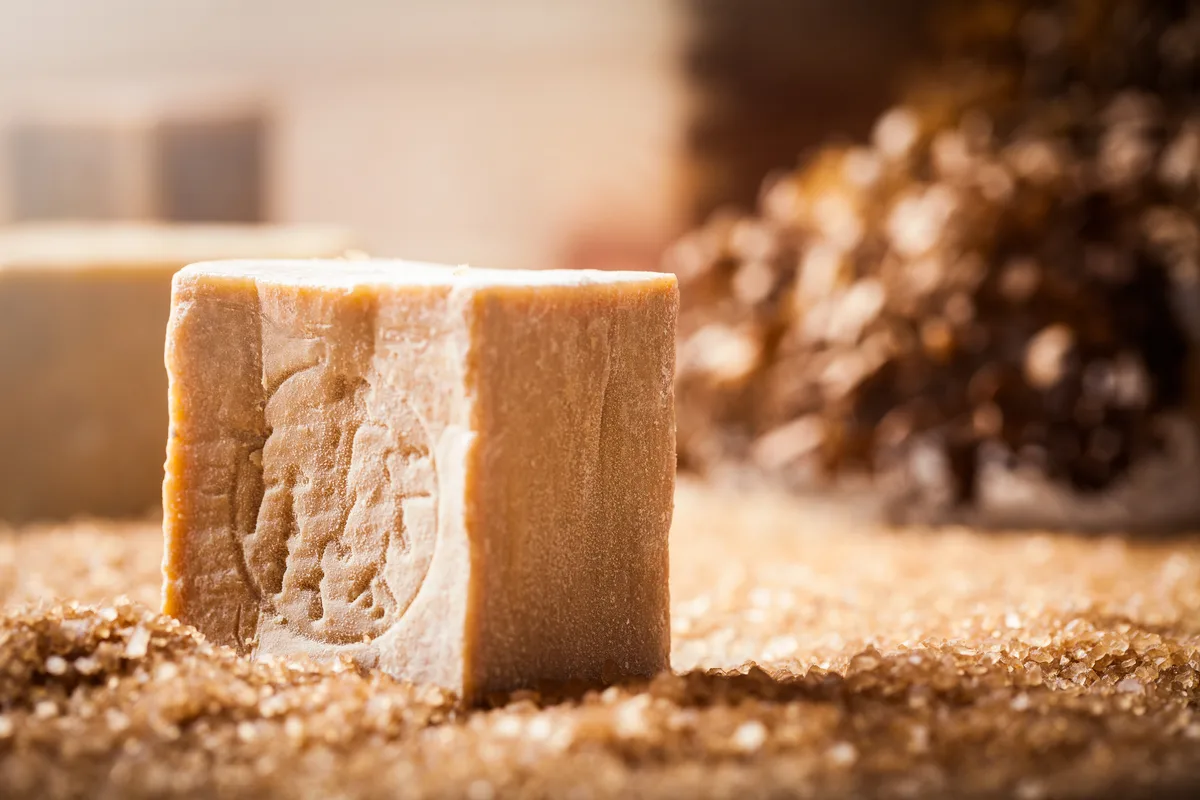
Aleppo, Nabulsi and Castile are the three olive-oil soaps buyers compare most, and the difference comes down to what's added to the olive-oil base and how it's cured. Aleppo soap adds laurel oil and is air-cured for months; Nabulsi soap is a near-pure olive-oil soap traditionally whipped and cut into cubes; Castile is a broad modern category — any vegetable-oil-based bar, often blended, made almost anywhere.
We import the Aleppo tradition directly, 23 bars from Nader Barakat & Sons; Nabulsi and Castile soaps are described here for context and can be sourced on request through our supplier houses. Here's how the three actually compare.
What each soap is actually made of
The base is olive oil in all three cases — the real differences are the second ingredient and the curing method.
| Soap | Base | Distinguishing ingredient | Traditional curing |
|---|---|---|---|
| Aleppo | Olive oil (metraf) | Laurel oil (ghar), producer's own declared % | Hand-stamped, air-dried 6–9 months (UNESCO, 2024) |
| Nabulsi | Olive oil, near-pure | Little to no added oil; traditionally whipped before cutting | Cut into cubes, air-dried |
| Castile | Vegetable oil, often blended | Varies widely by maker — no fixed second ingredient | Shorter cure, often machine-cut |
Aleppo soap: what we stock, and why it leads
Aleppo ghar soap's craft was inscribed by UNESCO on its Representative List of Intangible Cultural Heritage in December 2024, describing a tradition of roughly 3,000 years, hand-cut, hand-stamped, and dried six to nine months (UNESCO, 2024). That combination — a named ingredient story, a visible maker's mark, and a documented craft — is what makes it the strongest retail story of the three, and it's why our soap catalogue is built entirely on it. The full range sits under Aleppo soap; the background is in Aleppo soap: history, craft and the laurel tradition.
Nabulsi soap: context for buyers
Nabulsi soap takes its name from Nablus in the West Bank, where it's traditionally made as a nearly pure olive-oil soap — the whipped, pale, cubed bar many Levantine households grew up with, distinct from Aleppo soap's laurel-forward, longer-cured recipe. We don't currently carry a dedicated Nabulsi line; it can be sourced on request through our supplier houses for buyers specifically building a Nabulsi assortment.
Retailers who ask about Nabulsi soap are usually building a broader Levantine pantry-and-personal-care shelf rather than shopping for it in isolation, so it's worth raising as a possibility in the same inquiry as an Aleppo soap order — we'll confirm sourcing and formats against what's actually available at the time.
Castile soap: context for buyers
'Castile soap' today is less a single tradition than a category name — any vegetable-oil-based bar or liquid soap, frequently a blend rather than pure olive oil, produced by makers well beyond Spain where the name originated. It's a familiar, mass-market term to North American shoppers, but it carries none of the single-house, single-craft story that Aleppo or Nabulsi soap can point to. As with Nabulsi, a Castile line can be sourced on request through our supplier houses if a specific program calls for it.
Because 'Castile' describes a format rather than a producer, the name alone tells a retailer very little — the same questions that apply to any wholesale soap purchase (who made it, where, from what) matter more for Castile than for Aleppo or Nabulsi, precisely because the category name doesn't answer them.
Choosing for your shelf
For a retailer building a story-led personal-care shelf, Aleppo soap wins on documentation and distinctiveness: a named 1979-founded house, a UNESCO-recognized craft, and a maker's stamp on every bar — the kind of provenance that's hard to fabricate and easy to photograph. Aleppo soap for gift and boutique retail goes deeper on building an assortment around exactly that story.
That doesn't mean the other two have no place on a shelf — a Castile liquid soap, for instance, fills a practical dispenser-format need Aleppo bars don't cover. It simply means the story-selling and the practical-format decisions are usually two different lines, not one, and worth stocking with that distinction in mind.
Questions worth asking any olive-oil soap supplier
Whichever of the three you're evaluating, the same short list of questions separates a well-sourced line from a vague one: who made this bar, where, and to what recipe; is there a maker's mark or equivalent identifier; and how long was it cured before it shipped. Aleppo soap answers all three cleanly because the tradition is built around answering them. Applying the same questions to a Nabulsi or Castile line — sourced on request — keeps the standard consistent across your whole soap shelf, not just the part with the strongest existing story.
Related questions
Is Nabulsi soap the same as Aleppo soap?
No. Both start from an olive-oil base, but Aleppo soap adds laurel oil and cures for six to nine months, while Nabulsi soap is traditionally a near-pure olive-oil soap, whipped and cut into cubes, without laurel oil added.
What makes Castile soap different from the other two?
Castile is a broad category name rather than a single regional tradition — it covers vegetable-oil soaps, often blends, made by many producers worldwide, without the single-house, single-craft story Aleppo and Nabulsi soap carry.
Which one should a boutique retailer lead with?
Aleppo soap, for most story-driven retail — it has a documented, UNESCO-recognized craft, a visible maker's stamp, and a named producer, which gives a retailer the most to work with on a shelf card or display.