Sourcing & Wholesale
Black seed oil wholesale in Canada: a sourcing guide for retailers
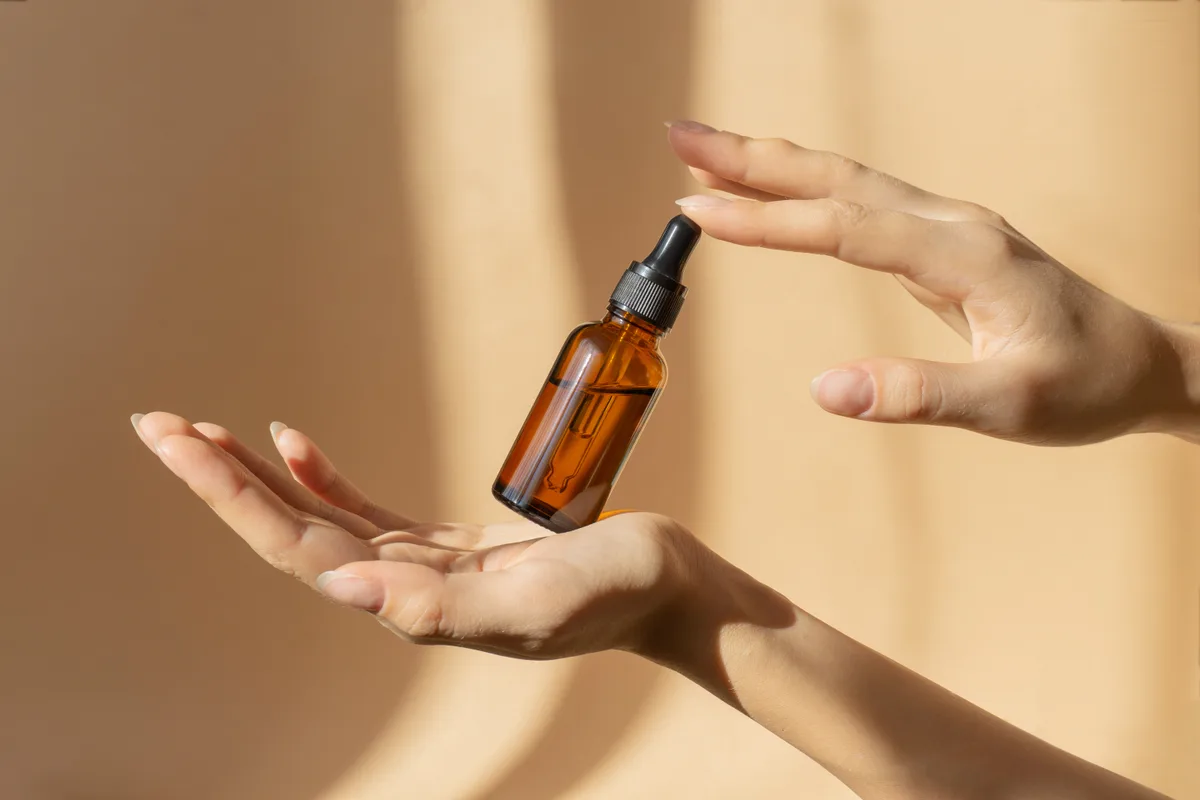
Black seed oil reaches Canadian shelves through specialist importers, and sourcing it wholesale comes down to three questions: who pressed it, what format it arrives in, and what your label is allowed to say. Levant Direct stocks Black Seed Oil — Habet El Baraka from El Captain (Cap Pharm) of Cairo: 60 ml retail bottles packed ninety-six to a case, ordered through a written quotation like everything else in the catalogue.
This guide covers the product itself, the quality checks worth making before you commit to a case, the claims line a Canadian retailer must not cross, and the wider black seed family that merchandises alongside the oil.
The product: Habet El Baraka in shelf-ready bottles
Habet el baraka — 'the seed of blessing' — is the Arabic name for nigella sativa, the small black seed pressed for this oil and scattered over Levantine breads and cheeses for generations. El Captain bottles it in 60 ml retail units, cased at ninety-six: a format built for the shelf rather than the stockroom, where small bottles turn faster than large ones and a single case fills a facing for weeks.
The producer is named on the listing and the bottle, which matters more in this category than most. Black seed oil trades heavily on trust, and a retailer should be able to answer 'who makes this?' without hesitation. El Captain is a Cairo house whose natural-oils range runs to 73 oils in our catalogue — black seed sits in a working family, not on its own.
Quality checks before you commit to a case
The checks are the ones a careful buyer applies to any pressed oil — origin, pressing, packaging, paperwork — asked in writing and answered in writing.
- Origin named: producer and country on the label and the listing, not just a reseller's brand.
- Pressing stated: if a label says cold-pressed, that wording should come from the producer, not be added downstream.
- Packaging integrity: sealed retail units, batch or lot marking, and bottles that protect the oil from light in transit and on the shelf.
- Paperwork on request: specification or product documentation offered through the quotation rather than promised verbally.
The claims line: sell tradition, not treatment
Sell black seed oil on tradition and origin, never on therapy. Health claims on a label have regulatory implications in Canada — a product marketed as treating or preventing anything moves out of ordinary cosmetic and food territory and into categories Health Canada licenses separately — so keep labels and signage descriptive: the seed, the pressing, the origin, the tradition. This is general guidance, not legal advice; confirm any claim language with Health Canada before it goes to print.
Descriptive selling is not a handicap. A bottle that says habet el baraka, names a Cairo producer and explains the seed's long place in Levantine and Egyptian households gives a customer everything they came in asking for. Our black seed guide tells the tradition's story at length, and the retailer's buying guide stays on the right side of the claims line and is written to be borrowed from.
The wider black seed family
Black seed merchandises best as a family, and the catalogue carries four of its branches.
- The oil: Habet El Baraka in 60 ml bottles, ninety-six to a case — the shelf anchor.
- The whole seed: black seed from AbdulRahim Mills of Jordan, for bakeries and kitchens topping breads and cheeses.
- Baked with it: Nigella Sativa Breadsticks from Hamdan — a counter line that introduces the flavour to new customers.
- On the cosmetic shelf: El Captain's black seed ointment and skin cream, sold in the same cosmetic register as the oil.
Ordering by the case
A first inquiry that mixes the family — oil, whole seed, breadsticks, perhaps a spread of other natural oils — reads better on a quotation and builds a coherent shelf story from day one. Build the list, send it once, and a written quotation comes back covering every line, typically within a business day; how inquiry ordering works takes two minutes to read, and the short version is that asking commits you to nothing.
Before the first reorder, run the black seed oil quality checks against what actually arrived — seals, lot marks, label wording — and keep the answers on file. If a customer or an inspector ever asks, the paper trail is the difference between a shrug and an answer.
Related questions
Is black seed oil the same as black cumin or nigella oil?
Yes — nigella sativa travels under several names: black seed, black cumin, kalonji and habet el baraka. Check the botanical name on the label when comparing suppliers, because 'black cumin' is occasionally used for other seeds.
Can my labels mention health benefits?
Treat that as a stop sign. Health claims carry regulatory implications in Canada and move the product into a differently licensed category — keep labels cosmetic and traditional, and confirm wording with Health Canada first. General guidance, not legal advice.
What is the case format?
60 ml retail bottles, ninety-six to a case — shelf-ready units rather than bulk volume, so one case stocks a facing for weeks.
Can I combine black seed oil with other products in one order?
Yes. The same inquiry can carry the whole 73-oil range, the black seed ointment and cream, and pantry lines from other houses — mixed inquiries quote as one and deliver as one.