Soap & Natural Care
Buying black seed oil: a retailer's quality guide
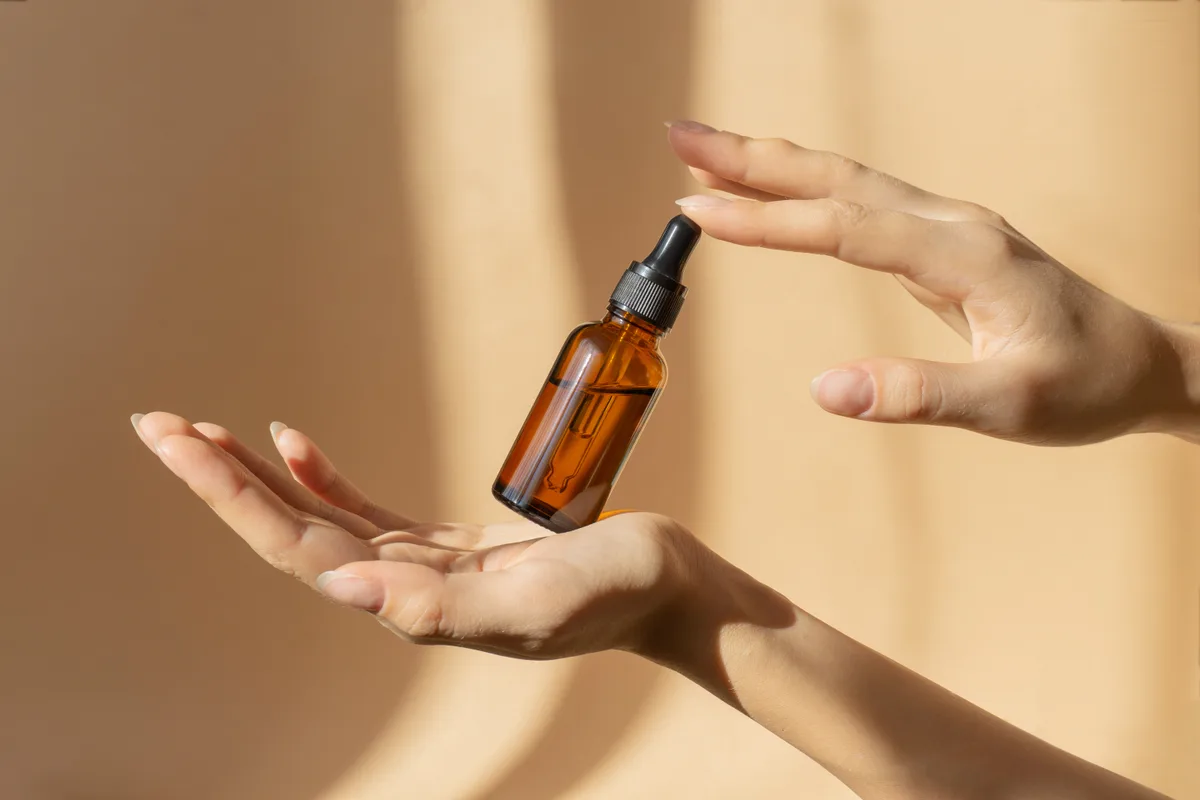
Buying black seed oil wholesale comes down to four checks: who pressed it, how it's packaged, what the label actually says, and whether the seller can back all three up in writing. We stock Black Seed Oil — Habet El Baraka from El Captain (Cap Pharm) of Cairo, in shelf-ready 60 ml bottles cased at ninety-six — a format built for retail turnover rather than back-room storage.
This guide is the checklist itself: what to ask before you commit to a case, how to read a black seed oil label without overreading it, and the one line Canadian retailers should never cross on packaging or signage.
Start with the producer, not the price
Black seed oil trades heavily on trust — it's a small, dark bottle that looks similar whoever fills it, so the name behind it matters more than almost anything else you can check. Ask for the producer's name and country before anything else; a listing that only names an importer or a house brand, with no producer stated, should prompt a follow-up question rather than an order.
El Captain names itself on the bottle and the listing, and its natural-oils range runs to 73 oils in our catalogue, so black seed sits inside a working, traceable house rather than as a one-off import.
That traceability matters beyond a single purchase. A producer that stands behind seventy-three other oils has a track record you can weigh alongside any one bottle — if the wider range checks out, it's a reasonable signal for the specific product you're evaluating.
The quality checklist
Run these four checks before a first order, and keep the answers on file for reorders:
- Origin named. Producer and country stated on the label and the listing — not just a reseller's brand name.
- Pressing stated consistently. If a label says cold-pressed, that wording should originate with the producer, not get added downstream by a reseller.
- Packaging protects the oil. Dark or amber glass, a proper seal, and batch or lot marking — light and air both degrade pressed oils over time.
- Paperwork available on request. Specification sheets or product documentation offered through the quotation process, not just promised verbally.
Reading a black seed oil label the right way
Habet el baraka — 'the seed of blessing' — is the Arabic name for nigella sativa, and you'll see the oil marketed under several names: black seed, black cumin, kalonji and habet el baraka all refer to the same seed. A short, honest label states the botanical name, the producer, and the pressing method, and stops there. That's a feature, not a gap — it's exactly what a careful buyer wants to see.
Watch for labels that pad the name with unrelated marketing language instead of these basics. If a bottle leads with a benefit claim before it tells you the botanical name or the producer, treat that as a sign the label was written to sell rather than to inform — and ask the supplier to fill in the gaps in writing before you order.
The claims line: why wording matters in Canada
Sell black seed oil on tradition and origin, never on therapy. Health claims on a label carry regulatory implications in Canada — a product marketed as treating, curing or preventing anything moves out of ordinary cosmetic and food territory into a category Health Canada licenses separately, with its own approval process. This is general guidance, not legal advice; confirm any claim wording with Health Canada before it goes on a label or a shelf-talker.
Descriptive selling isn't a handicap here. A bottle that names habet el baraka, states a Cairo producer, and mentions the seed's long place in Levantine and Egyptian kitchens and dressing tables gives a customer everything they came in looking for, without a single claim that needs a regulator's sign-off.
Ordering: what a quotation on this product looks like
Black seed oil quotes the same way as everything else in the catalogue: add the quantity you want to an inquiry, and a written quotation comes back covering the line, typically within a business day. Many retailers order it alongside the whole seed and other El Captain lines on one inquiry — a mixed order that consolidates delivery and often reads better on a quotation than a single-line request.
If you're testing the product before a full case commitment, ask about a small first quantity in the same inquiry. Nothing is committed by asking, and the quotation will simply reflect whatever quantity you request, large or small.
Related questions
What does "cold-pressed" mean, and does it matter?
It refers to extracting oil without added heat, which producers use to describe a gentler pressing method. The wording should trace back to the producer rather than being added by a reseller — ask where the claim originates before repeating it on your own shelf.
Why does packaging matter so much for this oil?
Pressed oils degrade with light and air exposure. Dark or amber glass with a proper seal protects the oil in transit and on the shelf far better than clear glass or thin plastic, which is why packaging is part of the quality checklist, not an afterthought.
Can I put health claims on a black seed oil display?
No — treat that as a hard stop. Health claims carry regulatory implications in Canada and move a product into a separately licensed category. Keep signage and labels to origin, pressing and tradition, and confirm any wording with Health Canada first.
What format do you stock?
60 ml retail bottles from El Captain, cased at ninety-six — a shelf-ready unit rather than a bulk drum, so a single case fills a facing for weeks.