Sourcing & Wholesale
Bulk Levantine spices for Toronto kitchens: blends, singles and how to buy them
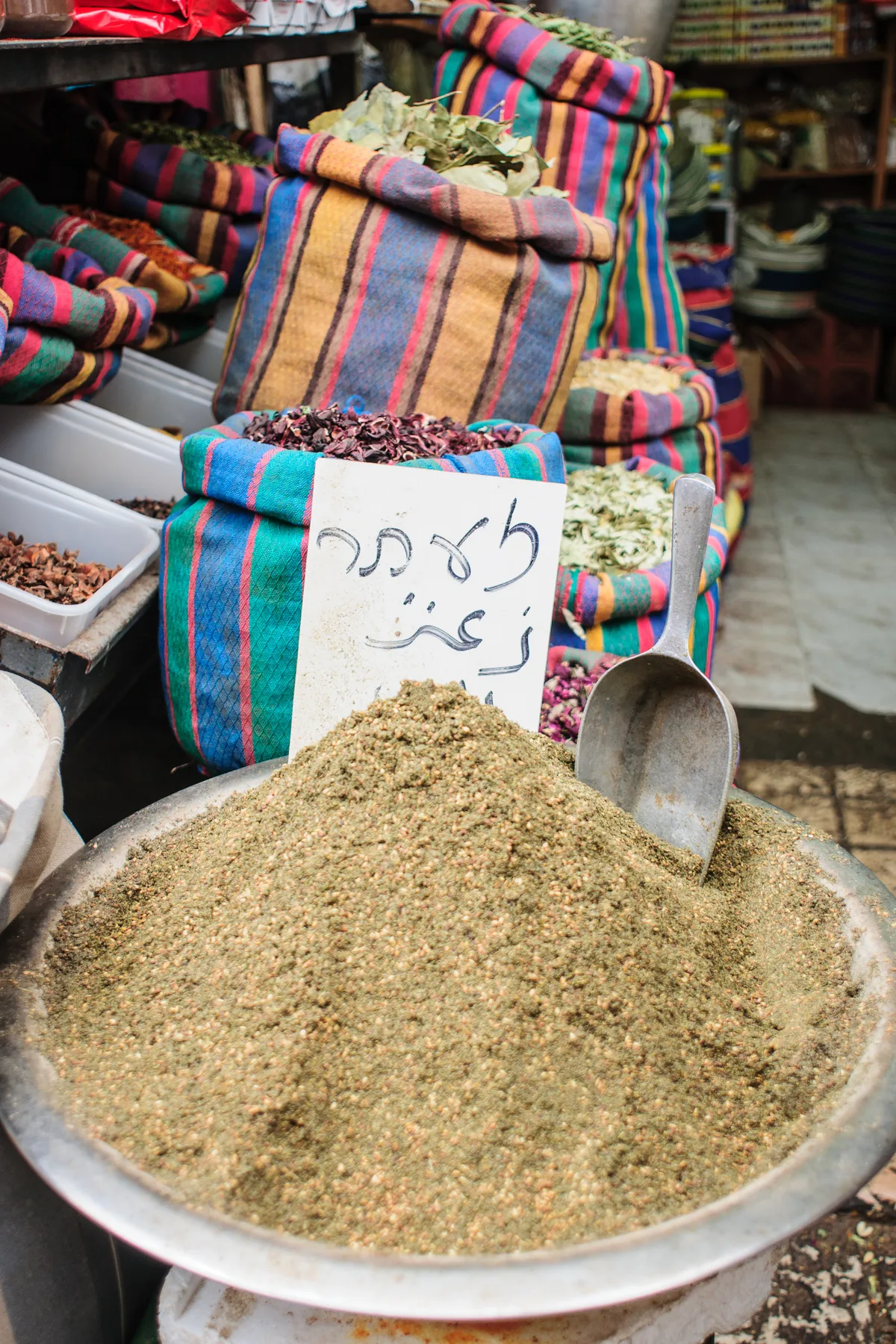
The most reliable way for a Toronto kitchen to buy Levantine spices in bulk is through a quote-based import catalogue that mills at origin and publishes its full range — you see 53 spice listings from AbdulRahim Mills, send one inquiry with quantities, and get one written quotation back, typically within a business day. No list prices, no rep's photocopied sheet, no guessing what the distributor actually carries.
The demand side is not in question: in the 2021 Census, 163,405 people in the Toronto CMA reported being able to converse in Arabic (Statistics Canada, 2021 Census), and the restaurants, grocers and caterers serving them run through Levantine spices at volume. This guide maps the working spice rack, settles the whole-versus-ground question for bulk buyers, and covers storage and reorder discipline.
Why origin milling matters most for blends
Single spices travel reasonably well; blends are where origin milling earns its keep. A chicken shawarma blend or a beef shawarma blend is a recipe, and the recipe belongs to the mill — the balance of cardamom, allspice, pepper and souring notes that makes a spit taste right is exactly what a generic Canadian-blended imitation misses. The same applies to kabsa spices and the house mixed-spice blends that anchor Levantine home cooking.
AbdulRahim Mills is a Jordanian house of Palestinian heritage, and its catalogue reads like a Levantine kitchen's inventory rather than an importer's greatest hits: shawarma blends for both meats, kabsa and tandoori mixes, mahlab and lumi for bakers, three cuts of sesame, and the full run of singles from cumin to cassia.
Bakeries in particular should note the sesame depth — golden, hulled, raw and roasted cuts are listed separately, because a barazek crust, a ka'ak glaze and a tahini press each want a different seed. The same mill supplies the dried-herb rack — mint, marjoram, sage and laurel leaf in the herbs and teas range — so a kitchen's whole dry pantry can land on one quotation.
The working Levantine spice rack, mapped
Most Toronto operators build their bulk order from five groups. The table below is a planning tool: match your concept to the groups, then pull specific SKUs from the spice range into one inquiry.
| Group | Examples in catalogue | Who leans on it |
|---|---|---|
| Shawarma & meat blends | Chicken shawarma, beef shawarma, meat spices, chicken spices | Shawarma shops, grills, caterers |
| Rice & stew blends | Kabsa spices, mixed spices, curry powder | Restaurants, caterers, hot counters |
| Ground singles | Cumin, coriander, allspice, black pepper, turmeric | Every kitchen; grocers by the case |
| Baker's aromatics | Mahlab, ground mahlab, aniseed, cinnamon, nutmeg | Bakeries, sweets producers, cafés |
| Heat & colour | Chilli pepper, paprika, sumac for souring | Grills, pickle programs, retail sets |
Whole vs ground: decide by turnover, not doctrine
Ground spices lose aroma faster, but that only matters if they sit. The honest rule for bulk buying: order ground for anything you turn over within a couple of months — blends, cumin, allspice on a busy line — and order whole where the format genuinely serves you, like cardamom pods for coffee and rice service, cinnamon sticks for braises and syrups, or whole cumin toasted to order in a kitchen that has the labour for it.
The catalogue lists most singles both ways — coriander and ground coriander, fenugreek and ground fenugreek — so you can split the order by station rather than compromising the whole kitchen in one direction.
Storage and reorder discipline for bulk spices
Bulk buying only saves money if the last kilogram is as usable as the first. The routine is simple and mostly free.
- Keep master packs sealed and decant small working containers for the line — heat and steam above the stove are what kill spices, not time alone.
- Store cool, dry and dark, off the floor and away from the dish pit.
- Date every pack on arrival and run first-in, first-out; see storing bulk spices in a restaurant for the full routine.
- Reorder on rhythm, not emergency — when the master pack of a workhorse blend is half gone, it goes on the next inquiry.
- Buy the size you will finish in eight to twelve weeks for ground lines; faded spices are safe but flat, and the flavour is the point.
How bulk inquiry ordering works in practice
Build one inquiry list covering everything — blends, singles, za'atar, sumac — with quantities per line, and send it once. One written quotation comes back, typically within a business day, and mixed lists quote better than single-line ones because cases consolidate onto one delivery. Nothing is committed by asking; the mechanics are laid out in how inquiry ordering works.
Delivery runs across the GTA — Toronto, Mississauga, Brampton, Scarborough, Vaughan, Markham and the rest — and because spices are shelf-stable, buyers outside the GTA are quoted the same way. If a blend or grade you need is not listed, say so in the inquiry: adjacent products are sourced on request through our supplier houses.
Related questions
Can a small restaurant buy spices in bulk, or is it only for big operations?
Small kitchens buy by the case constantly. Shelf-stable spices carry no refrigeration cost, and a single case of a workhorse blend lasts weeks — state your quantities in the inquiry and the quotation reflects them.
Do ground spices expire?
They fade rather than become unsafe. Stored sealed, cool and dark, ground spices stay lively for months; the working test is aroma. Buy sizes you will finish and rotate first-in, first-out.
What is the difference between chicken and beef shawarma spices?
The blends are balanced differently — chicken blends run brighter with more warm aromatics, beef blends deeper and peppery. Kitchens serving both meats stock both rather than stretching one blend across two spits.