For Grocers & Retailers
Eid sweets in bulk for Toronto stores: stocking the spike, not just the shelf
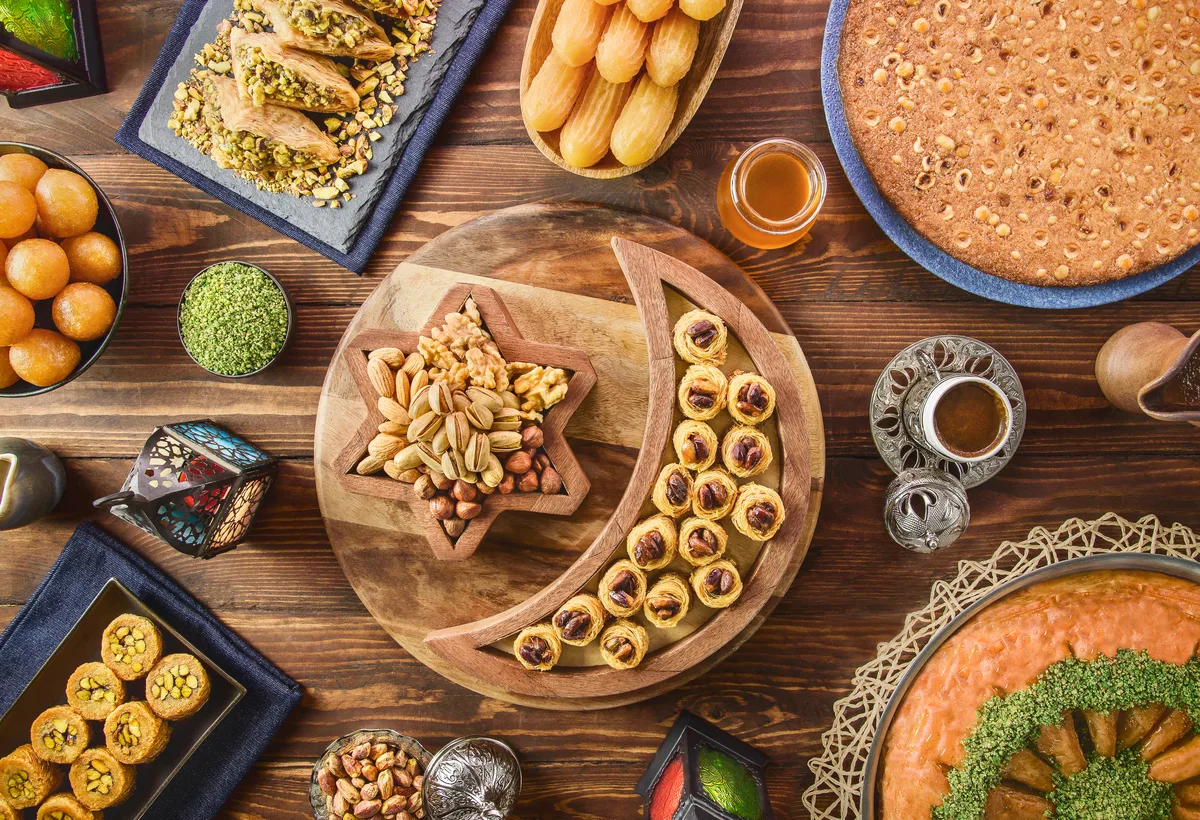
Stocking Eid sweets in bulk for a Toronto shelf means sizing case counts to a one-to-two-week sales spike rather than a steady weekly reorder, because ma'amoul and the other Eid lines sell in a concentrated window right after Ramadan ends, not gradually across the month. Under-order and you're out of stock for the biggest few days of the season; over-order badly and the surplus has to roll somewhere.
This is a retail-shelf page, distinct from the general commercial guide at wholesale Middle Eastern sweets in Toronto, which covers the category year-round, and from Eid corporate gifts in Toronto, which is about sending gifts rather than stocking a shelf for walk-in sale. Here the question is purely how much, in what formats, and by when.
Below: why the Eid spike behaves differently from routine reordering, the Hamdan range that covers it, and how to size and time the order.
Why Eid sweets sell differently than everyday stock
Most shelf-stable pantry goods reorder on a steady cadence — you sell through a case, you reorder another. Eid sweets don't behave that way: demand concentrates into the days immediately following Ramadan, when ma'amoul sell in a genuinely sharp spike rather than a gradual build. A store that treats Eid stock like a routine reorder — a case here, a case there — usually runs out mid-spike, right when foot traffic and buyer intent are both at their peak for the season.
The spike also compresses the reorder window almost to nothing. A mid-Ramadan restock is realistic; a restock placed once the Eid rush has already started rarely lands stock back on the shelf before the buying window closes, because everyone in the category is placing the same emergency order at once. The only reliable defence is sizing the initial bulk order generously enough that a mid-spike restock isn't the plan.
The Hamdan range that carries the spike
A compact set of boxed and packaged sweets covers most of what a Toronto Eid shelf needs.
| Product | Format | Shelf role |
|---|---|---|
| Barazek Sweets | 350 g | Everyday-buy sesame-and-pistachio cookie, sells year-round with an Eid lift |
| Ghraybeh Sweets | 330 g | Classic shortbread; pairs well with Barazek in a two-item display |
| Ma'amoul (three fillings) | 20 PCS boxes — dates, date with cardamom, Turkish delight | The centrepiece of the display; buy across all three for variety |
| Ka'ak Eleid | 20 PCS | The ring-shaped Eid biscuit; a second recognizable Eid item |
| Nawashif Mix Box | 400 g | A mixed-format option for shoppers who want variety in one box |
Sizing the order
The most reliable baseline is last season's sell-through: if you tracked what sold and what sat, use that ratio as your starting point and adjust for any change in foot traffic or new stock. Where there's no history to work from, weight the order toward ma'amoul and Barazek — they carry the broadest recognition — and treat the other lines as smaller top-ups.
A first-year store without any sales history to lean on is better served by ordering a spread across all five lines in modest quantities and tracking what actually sells, rather than committing heavily to a guess. That first season's numbers then become the baseline for every Eid order after it, which is the single most useful thing a new retailer can do to de-risk this category.
An over-order isn't dead stock the way it would be with a purely seasonal item: the same ma'amoul recipe sells again at Christmas and Easter to Levantine Christian customers, so surplus rolls forward into the next seasonal window instead of the markdown bin — see ma'amoul at Christmas and Easter.
Timing against a lunar date
Eid follows Ramadan, and Ramadan's start shifts roughly eleven days earlier each year, so no printed date belongs on an order plan — the Ramadan retail calendar is the full week-by-week planning pillar and covers exactly when to place the seasonal inquiry, receive stock and pivot the display for Eid. The short version for a bulk sweets order specifically: send the inquiry with the rest of your Ramadan season stock, well ahead of the month, so the Eid case counts are locked before demand peaks.
It's worth separating the Eid sweets order from your everyday sweets reorder on paper even if they arrive on the same delivery, since the two behave on completely different cycles — one is a steady weekly draw, the other is a single, front-loaded bulk buy timed to a specific week. Keeping the two lines distinct in your own records makes next season's sizing much easier.
Related questions
How far ahead should I order Eid sweets?
Order alongside the rest of your Ramadan-season inquiry, several weeks before the month begins — allocations thin the closer you get to the season, and Eid stock needs to already be in the store before the spike hits.
What if I over-order?
Ma'amoul in particular carries forward well: the same product sells again at Christmas and Easter, so surplus becomes next season's opening stock rather than a write-off.
Is this different from stocking Middle Eastern sweets year-round?
Yes. Wholesale Middle Eastern sweets in Toronto covers the category as a steady shelf program; this page is specifically about sizing and timing the bulk order for the Eid spike.
What if I have no sales history for this category yet?
Order a modest spread across all five lines rather than committing heavily to a guess, then use that first season's actual sell-through as your baseline for every Eid order going forward.