Sourcing & Wholesale
Galangal Wholesale in Canada: Kolonjan Whole & Ground
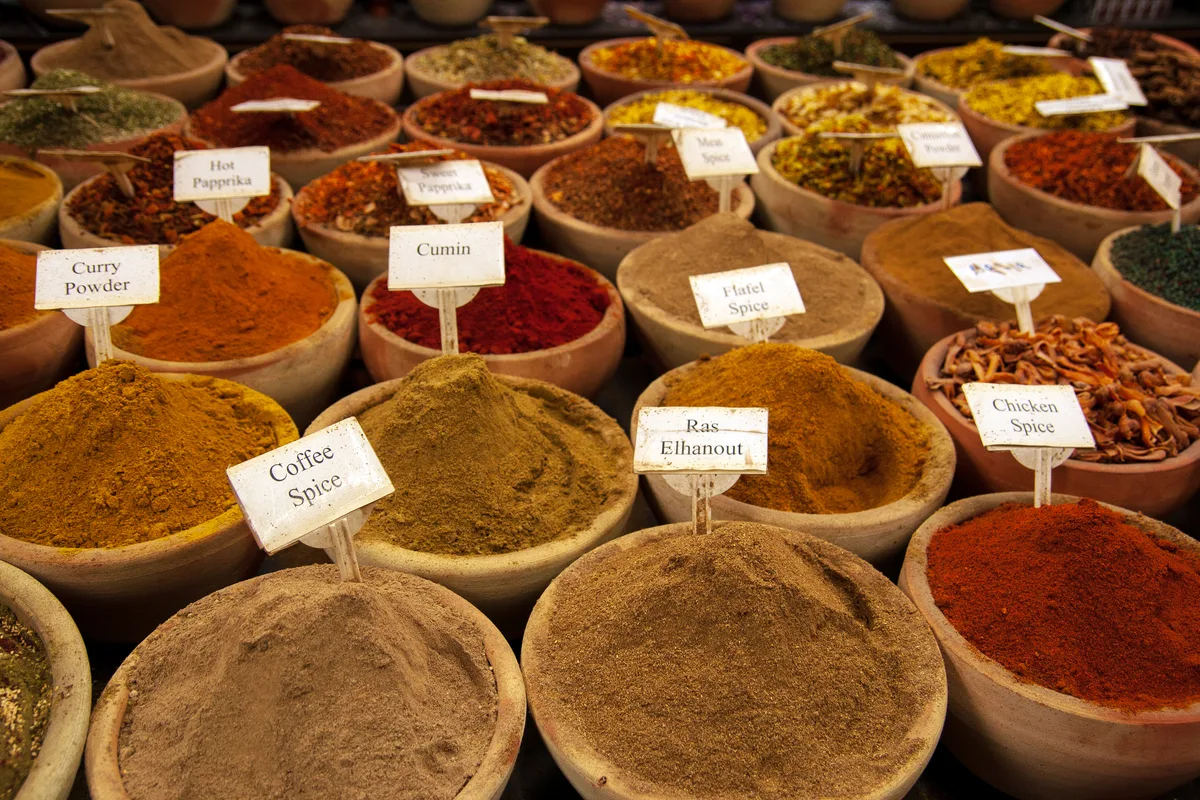
Galangal wholesale in Canada is stocked by AbdulRahim Mills under the name kolonjan, in both whole and ground formats, quoted by the case. If you've searched for kulanjan, khulanjan or kolonjan and landed here, that's the same rhizome under different transliterations of the same Arabic name — our catalogue lists it as kolonjan (whole) and ground kolenjan (ground), which is worth knowing before you search a supplier catalogue under the English botanical name and come up empty.
Galangal looks close enough to ginger on a spice shelf to be mixed up by anyone who hasn't cooked with both, but it's a separate rhizome with a sharper, more peppery and citrus-leaning bite than ginger's warmer, sweeter heat — the two aren't interchangeable in a recipe that specifically calls for one or the other.
Kolonjan, kulanjan, khulanjan: one spice, several spellings
Galangal's Arabic name transliterates into English several different ways depending on the region and the writer — kolonjan, kulanjan and khulanjan all refer to the same rhizome, and a buyer searching a wholesale catalogue under only one spelling can miss a supplier that lists it under another. Our own catalogue uses "Kolonjan" for the whole rhizome and "Ground kolenjan" for the milled powder, which is the spelling to search if you're looking for it specifically on our site or comparing it against another supplier's listing.
Galangal vs. ginger: why the swap doesn't work
Galangal and ginger are both rhizomes in the same broader plant family and share a similar knobbly shape, which is where the confusion usually starts. But galangal's flavour runs sharper, more peppery and closer to citrus than ginger's warmer, sweeter heat, and the two aren't a safe substitute for each other in a recipe that specifically calls for galangal — Southeast Asian and Levantine attara-shelf recipes built around it will taste noticeably off if ginger is swapped in instead.
AbdulRahim Mills catalogues galangal within its wider herbalist-shelf, or attara, tradition — the same shelf that carries items like loomi and mahlab — even though most of our buyers use it purely for cooking rather than any traditional remedy use.
Where galangal turns up beyond the stir-fry pan
Galangal is best known in North America through Southeast Asian cooking, but it has its own place on a Levantine attara shelf alongside dried limes, mahlab and other roots and rhizomes used across regional cooking and infusions. A specialty grocer building out a herbalist or spice-market-style aisle for a diaspora customer base often stocks galangal specifically because it's one of the harder ingredients to find outside a dedicated Middle Eastern or South Asian grocer, and a customer who already knows the name kolonjan or kulanjan will often ask for it by that name rather than "galangal."
Ground galangal also blends into some spice mixes the way ground ginger does, contributing its sharper, more peppery note where a recipe wants more bite than ginger alone provides — worth testing in small batches before committing a full blend recipe to the swap, since the flavour profile isn't a straight one-for-one match.
Ordering galangal wholesale by the case
Neither whole kolonjan nor ground kolenjan carries a fixed bag weight or price on the listing — case configuration is confirmed on a written quotation once you state your target volume and which format you need. It's a lower-volume specialty item compared to core spices like cumin or paprika, so it's usually easiest to combine it into a wider inquiry covering the rest of AbdulRahim Mills' spices category rather than ordering it as a single stand-alone line.
Related questions
Is kolonjan the same thing as galangal?
Yes — kolonjan, kulanjan and khulanjan are all transliterations of the same Arabic name for galangal. Our catalogue lists it as Kolonjan (whole) and Ground kolenjan (ground).
Can I substitute ginger for galangal in a recipe?
Not reliably. Galangal's flavour is sharper and more peppery, closer to citrus, than ginger's warmer sweetness — a recipe built specifically around galangal will taste noticeably different with ginger swapped in.
Do you sell whole or ground galangal?
Both. AbdulRahim Mills lists whole kolonjan and a separately milled ground kolenjan, and either or both can be quoted together on one written quotation.
Is galangal common in Levantine cooking or mainly Southeast Asian?
It's most widely known through Southeast Asian cuisine, but it also has a place on the Levantine attara (herbalist-shelf) tradition alongside items like dried lime and mahlab, which is why AbdulRahim Mills carries it under its Arabic name.
Is galangal spicy the way chilli is spicy?
No — its heat is closer to a sharp, peppery, citrus-leaning bite than to chilli's capsaicin burn. It's a different kind of intensity, not interchangeable with a hot pepper in a recipe.