For Grocers & Retailers
Halal pantry products wholesale in Canada: the non-meat half of the shelf
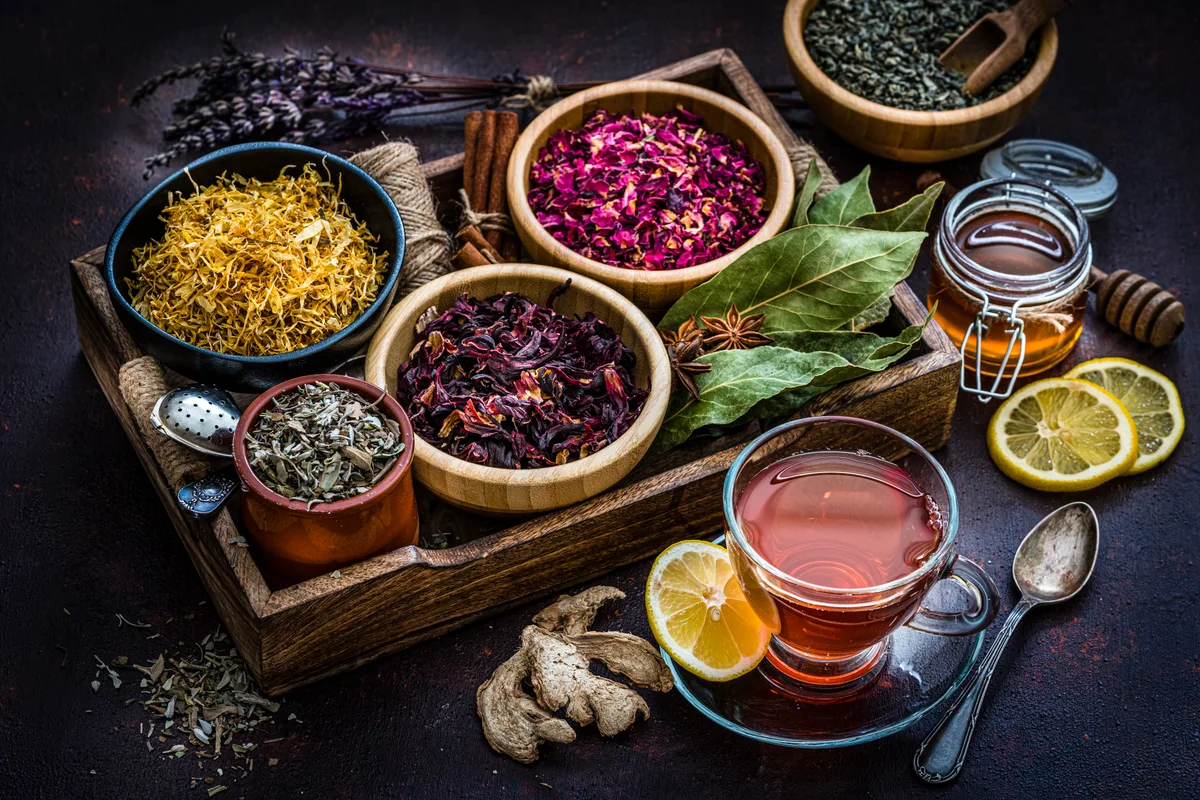
Halal pantry wholesale is the non-meat half of the halal grocery conversation — spices, za'atar, olive oil, tahini and halawa, preserves, coffee — categories that are halal-suitable by ingredient nature because they're built from plants, seeds and fruit rather than anything requiring slaughter certification. Levant Direct is built almost entirely from that pantry, sourced from eight named Middle East and Levantine supplier houses and quoted to Canadian buyers by the case.
This guide covers what 'halal-suitable' actually means for a pantry catalogue, the categories that anchor it, and the certification discipline that applies wherever a specific halal claim is made — which is per product, never by category.
What 'halal-suitable pantry' actually means
Most of a Levantine pantry is plant-based by nature: dried spices, herbs, olive oil, tahini pressed from sesame, cured olives, tomato paste, pomegranate molasses and cardamom coffee carry none of the slaughter-certification questions that meat and gelatin-based products do. That's the practical meaning of 'halal-suitable' as we use it — the ingredients themselves don't raise the question, which is a different and simpler thing than a formal halal certification stamped on a product.
The distinction matters because a blanket claim across a catalogue is the kind of shortcut that erodes trust with a halal-conscious buyer. Certification, where it applies, is confirmed per product on the quotation — never assumed because a category is generally plant-based. The fuller framework for how Canadian halal certification actually works is in halal certification in Canada.
The demand behind this shelf is real and countable. The 2021 Census recorded 626,010 Muslims in the Toronto CMA — roughly one resident in ten — with Mississauga at 120,965, about 16.9% of that city's population (Statistics Canada, 2021 Census). A halal-suitable pantry program isn't a niche add-on for a store serving that population; it's a core part of the shelf.
The categories that anchor a halal pantry program
Six categories do most of the work for a halal-focused pantry shelf or kitchen program.
| Category | Why it's pantry-safe by nature | Anchor lines |
|---|---|---|
| Spices & za'atar | Dried plant material, no animal inputs | Shawarma blends, sumac, Green Jordanian Thyme |
| Olive oil | Pressed fruit, single ingredient | Lio premium virgin olive oil |
| Tahini & halawa | Sesame paste and sesame sweet | Srour pistachio halawa |
| Olives & preserves | Cured fruit and vegetables | Zer and Lio olives, tomato paste, capers |
| Beverages | Roasted, ground coffee with cardamom | Lio cardamom-spiced ground coffee |
| Herbs & teas | Dried leaves and pods | Mint, marjoram, sage, arabic gum |
Where the certification discipline still applies
Ingredient-level safety isn't the same thing as a certified halal claim, and the one category worth checking product by product rather than assuming is dessert and baking mixes — gelatin shows up in some jelly-style desserts and not others, and formulations vary by brand. That's exactly the kind of detail to confirm with your inquiry rather than infer from a category name.
The Canadian rule that anchors all of this: since April 2016, any halal claim on a label, package or advertisement must name the certifying body behind it, and the CFIA itself neither defines halal nor accredits certifiers — that's the job of private bodies such as HMA and ISNA Canada. How to confirm a product is genuinely halal walks through the verification steps, and can a product be halal without a certificate covers the honest middle ground many pantry-only products sit in.
This is general guidance, not religious or legal advice — the discipline it describes is a retailer's own verification habit, not a substitute for confirming a specific product's status with its supplier and, where a certificate is claimed, with the certifying body itself.
Ordering a halal-suitable pantry program
The ordering mechanics are the standard quote-based model that runs across the catalogue: build one inquiry across whatever categories you need, note any product where you need certification confirmed, and send it once. A written quotation covering every line — with certification status stated per product where it applies — typically comes back within a business day; see how inquiry ordering works.
First orders for a halal-suitable pantry program don't need to cover every category at once. Spices, za'atar and olive oil are the lines most stores build a program around first, with olives, tahini and halawa, coffee and dried herbs added as the account grows — the same shelf-stable, no-waste-risk pattern that makes case-based ordering practical for a business of any size.
We deliver across the GTA and quote shelf-stable pantry goods to buyers elsewhere in Canada as well. For the fuller halal grocery picture, including census demand figures for the GTA, see halal grocery wholesale in the GTA, and for the snack side of a halal-suitable shelf, see halal snacks wholesale.
Related questions
Is everything in the Levant Direct catalogue halal-certified?
Not as a blanket claim. Most of the catalogue is plant-based and halal-suitable by ingredient nature, but formal certification is confirmed per product on your quotation, never assumed across a category. Ask about a specific product if certification matters for your purchase.
Which pantry categories need the most certification checking?
Dessert and baking mixes are the category most worth checking ingredient by ingredient, since gelatin appears in some jelly-style formulations and not others. Spices, olive oil, tahini, olives and coffee carry no such ambiguity by nature.
Is there a minimum order for a halal pantry wholesale account?
Minimums vary by supplier and product; the case is the working unit. State the quantities you want in your inquiry and the quotation reflects them — see is there a minimum order.