For Restaurants & Cafés
Iftar catering supplies in Toronto: sourcing the fast-breaking table at scale
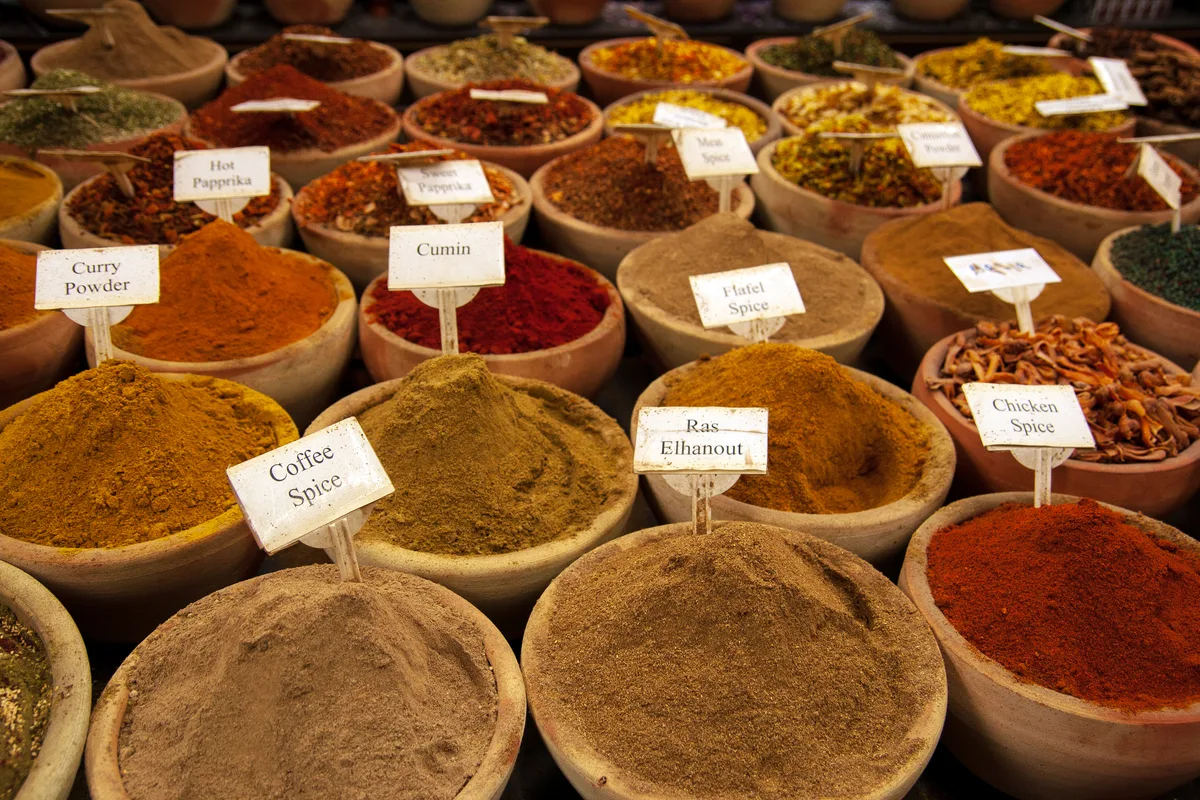
Toronto caterers running iftar events — community halls, mosques, hotels, corporate iftars — need four things in bulk: spices for the savoury dishes that dominate the meal, an instant soup base for the fast-breaking bowl, sweets for the table, and cardamom coffee for after, all shelf-stable enough to prep for and store between the handful of events a Ramadan season brings.
This page is written for the catering side of the season specifically, distinct from catering Levantine menus, which covers bulk planning year-round, and from the retail-facing pages on Ramadan stocking. The soup-first, dates-then-savoury eating pattern of an iftar has its own ingredient logic, and that's what's mapped below.
The buyers this serves are varied: a mosque running a nightly community iftar for a few hundred worshippers, a hotel adding a Ramadan buffet program for the month, a corporate caterer handling a handful of large sponsored iftars, or a hall booked out most nights of the season. Each has a different scale, but the ingredient logic and the sourcing pattern are the same across all of them.
Below: the iftar table ingredient by ingredient, buying at catering volume, folding a season of events into one inquiry, and the halal-certification framing that applies to any of this.
The iftar table, ingredient by ingredient
An iftar meal moves through a fairly consistent sequence — dates, a light soup, then the savoury spread — and each stage has a catering-scale ingredient behind it, laid out course by course in the table below.
| Course | Product | Note |
|---|---|---|
| Fast-breaking bowl | Noon Instant Soups (70 g, e.g. chicken noodle) | Fast to prep in volume for a hall full of guests arriving hungry |
| Savoury spread | Kabsa Spices, Mixed Spices (baharat) | The base seasoning for the rice and meat dishes that anchor the meal |
| Dessert table | Barazek Sweets, Luqmaht al-Qadi Mix | Sweets served after the savoury course, not before it |
| After the meal | Lio ground coffee with cardamom | Serves the late seating and evening visiting that follows iftar |
Buying at catering volume
Catering volume means portioning consistently across dozens or hundreds of servings rather than a handful of covers, and that's a different planning exercise from a restaurant's daily draw — portioning bulk ingredients for consistent costs covers the general approach. The broader planning framework for Levantine catering menus, including how to size an order against a guest count, is in catering Levantine menus in bulk.
Spices and soup base are the two lines worth over-buying slightly rather than cutting close, because both are shelf-stable and carry into next week's event without loss, while running short mid-service on either one is far harder to recover from than a routine restaurant reorder — there's no walk-in supplier around the corner during a packed iftar seating.
One inquiry for a season of events
A caterer running several iftars across a Ramadan season doesn't need a separate inquiry per event — spices, soup base, sweets and coffee across the whole season quote as one mixed order, which simplifies both pricing comparison and delivery scheduling. Ramadan food products wholesale maps the same product categories from a shelf-stocking angle, useful if your organization also runs a retail table alongside the catering, and the Ramadan retail calendar sets the timing to work backwards from.
For an organization running events on a fixed schedule — a mosque with nightly iftars, for instance — it's worth ordering the season's full volume up front in one delivery rather than several smaller ones, since consolidated delivery is simpler to receive and store than a string of top-up drops through the month. How far ahead seasonal orders should go in covers the timing logic behind ordering this way.
Halal framing
Certification, where it applies, is stated per product on your quotation rather than claimed as a catalogue-wide blanket — see halal grocery wholesale in the GTA for the full framing. Confirm certification status for any specific line before finalizing a menu that requires it, particularly for a mosque or community iftar where certification is often a stated requirement rather than a preference.
This is general guidance, not a substitute for checking directly with your event's organizer or your own certifier about what standard of documentation they require — ask early enough in the planning window that any substitution, if one is needed, doesn't become a last-minute scramble.
Halal certification in Canada covers how certification bodies operate at a general level, useful background if your organization is choosing a certifier for the first time rather than working from an existing standard.
Related questions
How far ahead should a caterer order for Ramadan events?
Follow the same window as retail Ramadan buyers: several weeks before the expected start of the month, since seasonal allocations thin as the date approaches.
Can spices, sweets and soup be quoted together for a season of events?
Yes — a single mixed inquiry covering the whole season's product needs is the normal way to order and simplifies comparing the quotation against last season's spend.
Are these products halal?
Certification is stated per product on your quotation rather than claimed for the whole catalogue. Confirm the status of any specific line you need certified before finalizing your menu.
Can a season's worth of events be delivered as one consolidated order?
Yes — for a fixed events schedule, ordering the full season's volume up front in one delivery is usually simpler to receive and store than several smaller top-up drops through the month.