For Restaurants & Cafés
The Lebanese restaurant pantry: core staples every GTA kitchen should hold
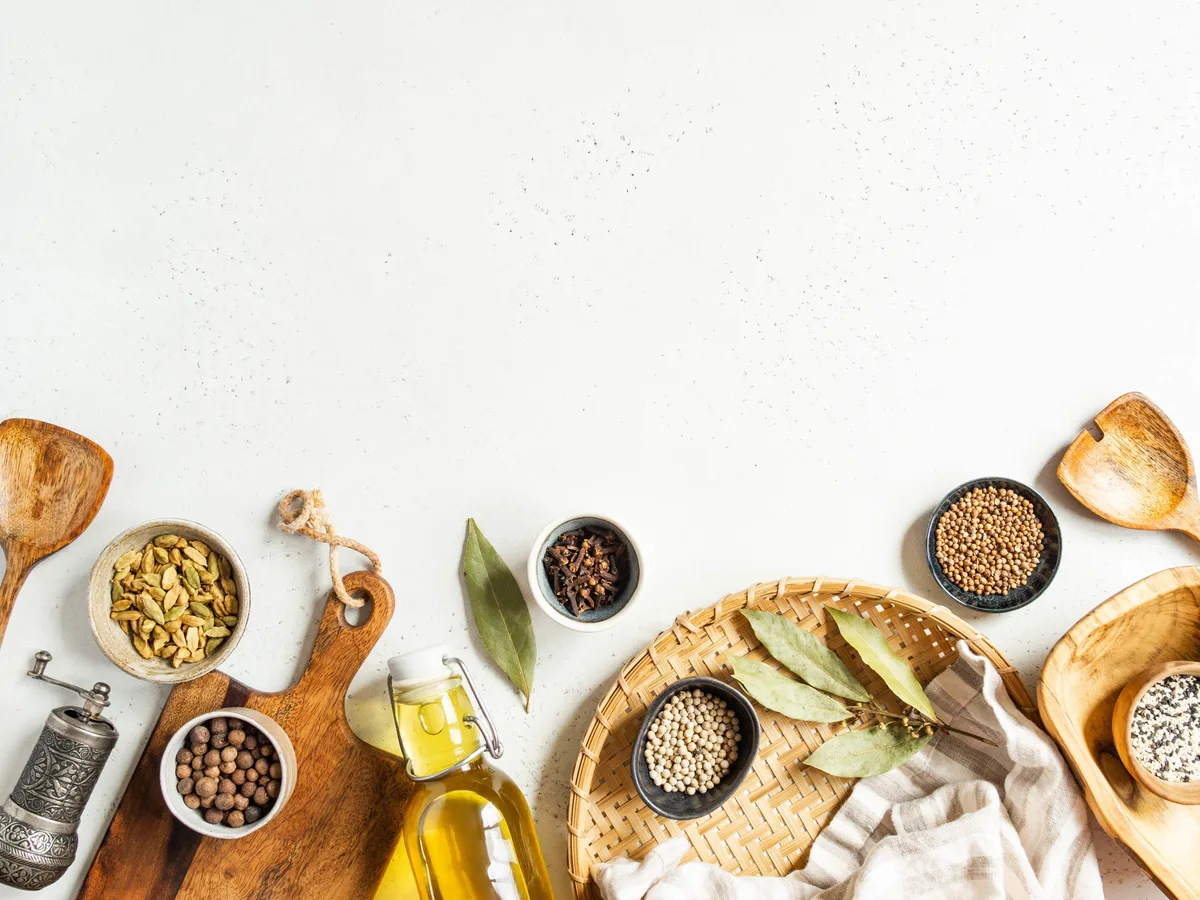
A Lebanese restaurant pantry stands on a short, shelf-stable list: za'atar and sumac for the oven and the salad bench, extra virgin olive oil, pomegranate molasses, a warm mixed-spice rack for the grill, olives for the table, and cardamom coffee with sweets to close the meal. Every line on that list can be bought by the case in the GTA through a quote-based import catalogue like Levant Direct, with the producing house named on each product.
The audience is real and it is discerning: 25,315 Toronto-area residents reported Lebanese origins in the 2021 Census (Statistics Canada, Toronto CMA), and many of them grew up on precisely these flavours. This guide works through the pantry shelf by shelf — what each staple does, which catalogue lines cover it, and how to plan a first case order without overbuying.
Za'atar and sumac come first — guests judge them before anything else
Put your best attention into the thyme and the sumac, because they touch the most plates. Za'atar seasons the manakish oven, the labneh bowl and half the appetizer list; sumac sharpens the onion salad for grilled meats, finishes hummus and defines the fattoush dressing. We stock two blends from AbdulRahim Mills, a Palestinian-heritage mill working in Jordan: herb-forward Green Jordanian Thyme and a red thyme za'atar-style blend in 500 g packs, alongside sumac available in bulk.
The flatbread these blends ride on carries genuine heritage weight. In 2023, UNESCO inscribed al-man'ouché, Lebanon's emblematic flatbread practice on its Representative List of Intangible Cultural Heritage — dough topped with thyme, sumac, toasted sesame, salt and olive oil, eaten at the morning sobhhiyé. If manakish anchor your menu, our guide to za'atar beyond manakish covers the rest of the day-parts.
The wet pantry: olive oil, pomegranate molasses and the table jars
Three bottles and jars do most of the wet work — olive oil, pomegranate molasses and olives. Premium virgin olive oil from Lio, pressed on the Syrian coast at Latakia, comes in 250 ml glass by the case of twelve: a service-friendly format for table oil, za'atar dips and finishing, opened bottle by bottle so nothing oxidizes in a half-empty tin.
Zer's pomegranate sauce, a molasses-style dressing from Gaziantep in a squeeze-friendly bottle, covers fattoush, muhammara and grilled-meat glazes; we map its full station-by-station use in pomegranate molasses on a working menu. For the mezze bench, Green Olives Salkini arrive in generous 1300 g glass jars, and crushed red hot pepper in glass supplies the line's heat.
Grill and pot: the spice rack behind shish taouk and kafta
A Lebanese line needs warm baking spices as much as it needs heat — allspice, cinnamon, cumin, white pepper and a balanced house blend in the sabaa baharat (seven spice) tradition. From the AbdulRahim Mills rack we stock Mixed Spices for that seven-spice role, plus ground allspice, ground cinnamon, ground cumin and ground white pepper — the quiet backbone of shish taouk marinades, kafta and stuffed vegetables.
If shawarma is on the menu, dedicated milled blends save the kitchen from re-mixing its own every week; see shawarma spice blends: chicken vs meat. The full spices category runs to more than fifty lines, so one inquiry can restock the entire rack.
Close the meal: cardamom coffee and the sweets tray
The after-dinner ritual is a revenue line, not an afterthought. Lio's ground coffee with cardamom — with extra-cardamom and cardamom-free variants — comes in 100 g packs by the case of thirty, a format that keeps the grind fresh through a week of rakweh service.
For the tray itself: Hamdan's Luxury Ma'amoul Dates come individually portioned twenty to a box, the Baklava Mix Sweets box covers the assortment plate, and Srour's halawa with pistachio, pressed to a Damascus family recipe, slices cleanly for plating or crumbles over ice cream.
Build the checklist, then send one inquiry
List everything the menu touches, then send the whole list as a single inquiry — mixed inquiries quote better and consolidate delivery. The checklist below covers a typical Lebanese menu; quantities go on your inquiry list and one written quotation comes back, typically within a business day. The mechanics are laid out in how inquiry ordering works.
| Pantry line | Where it works | Catalogue coverage |
|---|---|---|
| Za'atar, green and red | Manakish, labneh bowls, roast chicken | Two blends from AbdulRahim Mills |
| Sumac | Onion salad, hummus, fattoush dressing | Available in bulk |
| Olive oil | Table service, dips, finishing | Lio premium virgin, 250 ml glass x12 |
| Pomegranate molasses | Fattoush, muhammara, glazes | Zer pomegranate sauce, bottled case |
| Olives and pepper | Mezze bench, table, line heat | Lio Salkini olives; crushed red hot pepper |
| Warm spices | Shish taouk, kafta, rice dishes | Mixed Spices plus singles from the mill |
| Coffee and sweets | After-dinner service, takeaway boxes | Lio cardamom coffee; Hamdan sweets; Srour halawa |
What we do not stock — honest gaps and how to fill them
Fresh and chilled goods are not import-catalogue territory, and we say so plainly. Labneh, pita, fresh meats and produce belong with local dairies, bakeries and butchers — they are part of the kitchen, not part of this catalogue. Adjacent shelf-stable lines that do not appear in the visible range — tahini in jars, rice, grape leaves — can often be sourced on request through our supplier houses: ask on the same inquiry and we confirm availability in the quotation. See can I request products not listed for how that works.
Related questions
What supplies does a Lebanese restaurant actually need from a wholesale importer?
The shelf-stable core: za'atar, sumac, warm spices, olive oil, pomegranate molasses, olives, cardamom coffee and counter sweets. Fresh items — labneh, pita, meats, produce — come from local suppliers; the import catalogue covers the origin flavours that define the cuisine.
Is a case too much za'atar for a small kitchen?
Rarely. Za'atar is shelf-stable and touches many plates, and a busy manakish oven works through packs quickly. Store it sealed, cool and dark, and split a mixed inquiry across green and red blends if variety matters more than volume.
Can all of this go on one order?
Yes — that is the point of the inquiry model. Add every line and quantity to one inquiry list, send it once, and a single written quotation comes back covering everything, typically within a business day. Asking commits you to nothing.