Product Guides
Levantine olive oil: how coast, harvest and pressing shape its character
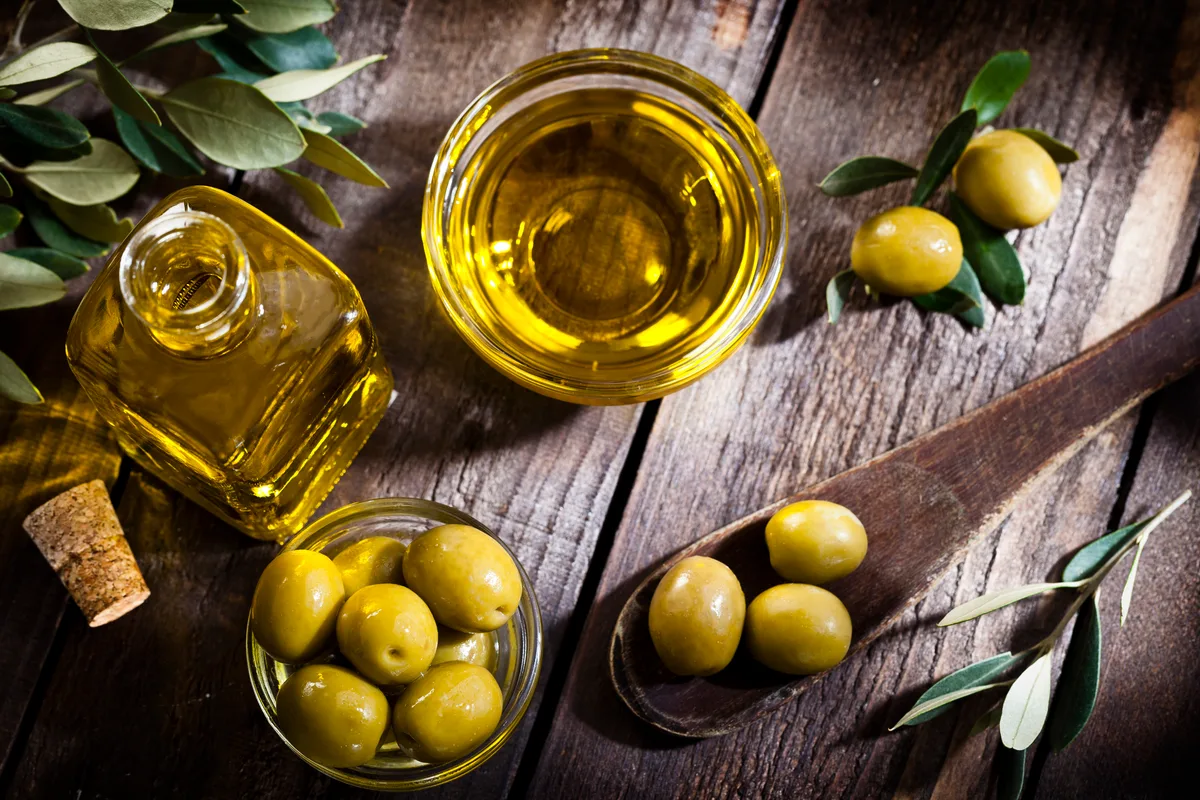
Levantine olive oil comes from groves along the eastern Mediterranean coast — Syria, Lebanon, Palestine and Jordan — where a coastal climate, old-growth trees and small-mill pressing produce oils with a distinctly grassy, peppery character compared to milder commodity blends. Our Olive Oil (Premium Virgin) comes from Lio Food, based in Latakia on Syria's coast — one of the region's traditional olive-growing belts.
Judging olive oil at wholesale means knowing what to check on the bottle and what to taste for, since 'olive oil' covers everything from a genuine cold-pressed extra virgin to a cut, refined product wearing the same label language. The checks below take a minute or two and work whether you're evaluating a single bottle or a full case.
What makes coastal Levantine growing regions distinct
The Syrian and Lebanese coastal belt — Latakia and the surrounding hill country foremost among them — has grown olives for pressing for centuries, on trees that in many groves are decades or generations old rather than commercial monoculture plantings. Coastal humidity, hill elevation, and traditional varietals combine to produce oils that read more assertive than the mild, all-purpose oils common in supermarket blends: a real grassy-green note on the nose, noticeable pepper at the back of the throat, and enough body to stand up to being tasted on its own rather than only cooked into a dish. Milling method plays a role too — smaller, traditional presses process fruit close to harvest, often within hours, which limits the oxidation that dulls flavour in oil pressed from fruit that's sat waiting at a large industrial mill.
How to judge extra virgin olive oil at the bottle
Four checks catch most of what separates a genuine extra virgin from a cut or mislabeled product. First, harvest date beats 'best before' — a stated pressing or harvest date tells you the oil's actual age, since olive oil degrades from the moment it's pressed. Second, colour is a weak signal on its own (light and dark oils can both be genuine) but cloudiness in an unfiltered oil is normal, not a defect. Third, smell and taste for freshness — genuine extra virgin should smell like cut grass or green fruit, not like crayons, rancid nuts, or nothing at all. Fourth, 'Product of' language matters: 'Product of Syria' or 'Product of Lebanon' should mean grown and pressed there, not merely bottled there after import from elsewhere — ask the supplier directly if the label doesn't make the distinction clear.
- Harvest or pressing date stated on the bottle, not just a best-before
- Aroma — grassy, green-fruited, not flat or rancid
- Taste — a peppery finish at the back of the throat is a good sign in a fresh oil, not a flaw
- 'Product of' language — confirm it means grown-and-pressed, not just bottled
Using Levantine olive oil in service, not just on a shelf
In Levantine kitchens, olive oil is rarely reserved for finishing alone — it's the base for cooking vegetables down slowly, the fat in a manakish dough brush, and the carrier for za'atar in the region's best-known breakfast pairing. A more assertive coastal oil holds up better in these applications than a neutral commodity oil, since the flavour is meant to come through rather than disappear. For a restaurant menu leaning into the category, that means the same case of oil can move across several stations — dressing, finishing, and cooking — rather than needing a separate bland oil for heat and a separate finishing oil for the plate.
Storing and serving bulk olive oil
Olive oil's two enemies are light and heat, which is why traditional bottling favours dark glass or tin over clear glass, and why a case belongs in a dry storeroom rather than near a stove or a sunlit window. Once opened, use within a few months for the best flavour — olive oil doesn't spoil dangerously the way perishable food does, but it does go flat and lose its peppery edge with prolonged air exposure. For a kitchen running through volume — dressing, finishing, shallow frying — a case of glass bottles like our Premium Virgin rotates fast enough that storage life rarely becomes the limiting factor.
Related questions
What makes olive oil 'Levantine' specifically?
It refers to oil grown and pressed along the eastern Mediterranean coast — Syria, Lebanon, Palestine, Jordan — where coastal climate and traditional varietals tend to produce a more assertive, peppery, grassy-green profile than milder commodity oils. The character varies grove to grove, but the assertiveness is a consistent regional signature.
How can I tell if an extra virgin olive oil is genuine?
Check for a harvest or pressing date rather than just a best-before date, look for a grassy or green-fruited aroma, taste for a peppery finish, and confirm 'Product of' language means grown-and-pressed in that country rather than just bottled there.
Does cloudy olive oil mean it's gone bad?
No — cloudiness is common in unfiltered extra virgin oil and isn't a defect on its own. It's the smell and taste that tell you whether an oil has gone rancid, not its clarity or colour.
How should bulk olive oil be stored in a restaurant kitchen?
Keep it in dark glass or tin, away from heat and direct light, in a dry storeroom rather than beside the range. Use opened bottles within a few months for the best flavour, and rotate stock so older cases are used before newer ones arrive.