Sourcing & Wholesale
Levantine olive oil by the case: a working guide for Toronto restaurants
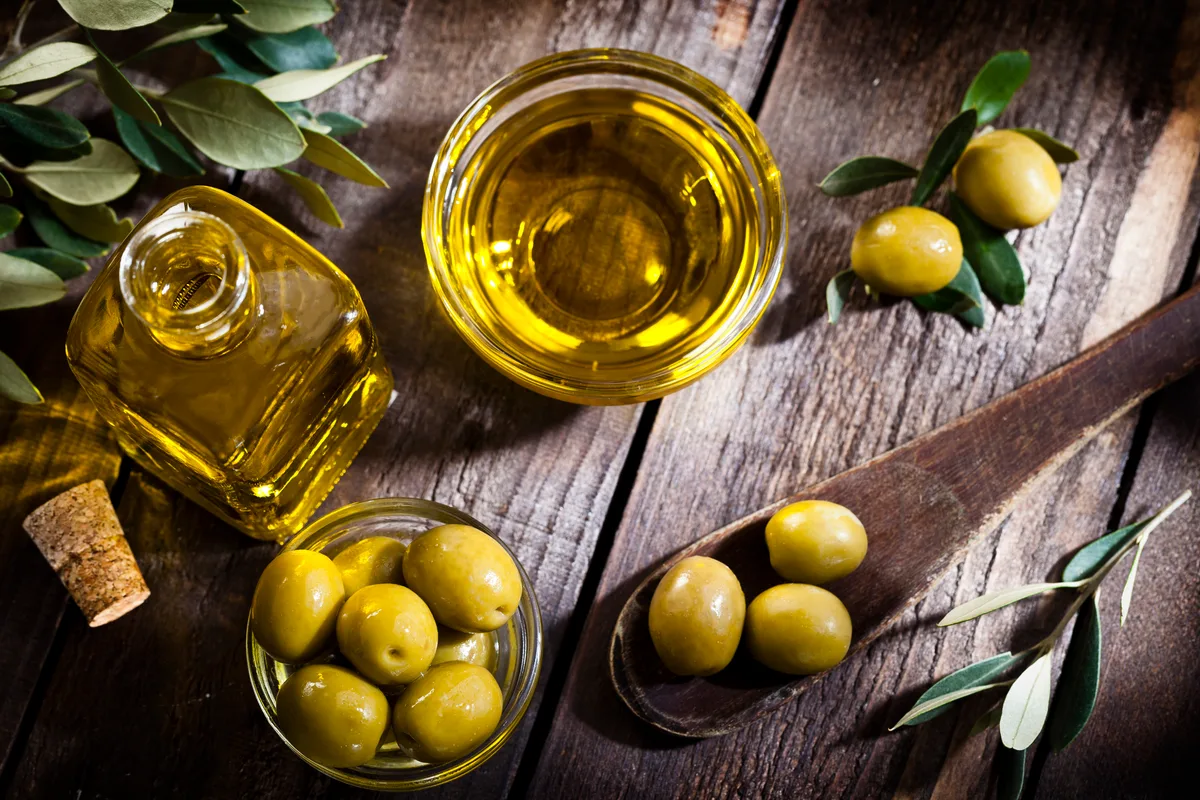
There are two ways a Toronto restaurant buys Levantine olive oil by the case: choose a stocked format from an import catalogue, or have a food-service format brought in on request. At Levant Direct the stocked line is Olive Oil, Premium Virgin from Lio Food of Latakia, Syria — 250 ml glass bottles packed twelve to a case — and larger formats such as tins for high-volume kitchens are sourced on request through our supplier houses. Either way, ordering is quote-based: you send an inquiry with case counts and receive a written quotation, typically within a business day.
This guide covers where the glass case genuinely earns its keep in a working kitchen, when to ask for a bigger format instead, what to check before you commit, and how storage and reorder rhythm keep the last bottle tasting like the first.
Where a case of twelve 250 ml bottles fits
A case of twelve 250 ml glass bottles is a finishing format, not a frying format — and that distinction organizes the whole purchase. The oil your fryer consumes is a commodity decision made on smoke point and cost-in-use; the oil that lands on hummus, labneh and fattoush in front of a customer is an identity decision, and it is the one worth importing from the Levant.
Small glass suits the finishing role for practical reasons. Every bottle opens fresh, so the twelfth pour of the month tastes like the first; a bottle lives at each station without decanting; and sealed bottles double as retail stock beside the register — a habit Toronto shawarma shops and cafés have long used to turn a pantry line into shelf revenue.
- Finishing plates: a controlled pour over hummus, labneh, moutabal and grilled vegetables, where aroma matters most.
- Manakish and flatbreads: blended with za'atar into the classic slurry — see our manakish supplies guide for ratios and portioning.
- Table and counter: a sealed bottle presents well beside bread service, and unopened cases resell at the counter.
Glass case, tin or drum: choosing the format
Choose the format by pour rate, not kitchen pride. If a container will sit open for more than a few weeks, it is the wrong size — oxygen and time cost you more flavour than any format saves.
| Format | Availability | Best for | Watch-outs |
|---|---|---|---|
| 250 ml glass, case of twelve | Stocked — Lio Premium Virgin | Finishing, table service, counter retail | Uneconomical as a frying or bulk-marinade oil |
| Food-service tins | Sourced on request through our supplier houses | High-volume finishing, dressings, marinades | Decant into a working bottle; keep the tin sealed |
| Drums and bulk | Sourced on request for commissaries | Central production kitchens | Needs cool storage and fast, planned turnover |
What to check before you commit to a case
The reliable checks are written ones: who pressed the oil, where, and what the label actually claims. Lio Food works out of Latakia, on Syria's Mediterranean coast, and its name is on the bottle and on the supplier page — when a wholesale source can't name the producer behind an oil, keep walking.
Grade wording — virgin, extra virgin, premium — should be read as the producer's own description unless paperwork backs it further. If your menu or shelf talker is going to make a claim, ask for the supporting documentation on the quotation rather than assuming it exists. For a fuller evaluation method — aroma, harvest, origin statements — see how to judge olive oil and our guide to Levantine olive oil.
Storage, rotation and the reorder rhythm
Olive oil has three enemies — light, heat and air — and a case of sealed glass in a cool, dark, dry store defends against all three better than any part-empty pail. Keep cases closed until a station needs a bottle, keep open bottles away from the flat-top, and run strict first-in, first-out. The routine is the same as for any bulk olive oil storage, just easier, because glass seals what tins leave exposed.
Reorder a case ahead of your burn rate: the day you open the last unopened case, you have already waited too long. Because quotation and delivery run on a cycle of days rather than hours, most kitchens fold oil into a standing inquiry with the rest of their Levantine pantry — green olives, crushed red hot pepper and tomato paste come from the same Latakia house, and mixed inquiries consolidate the delivery. If you need a format the catalogue doesn't show, say so in the inquiry note — see requesting products not listed.
Related questions
Do you sell olive oil in tins or drums?
The stocked format is 250 ml glass, twelve bottles to a case. Food-service tins and larger bulk formats are sourced on request through our supplier houses — describe the format and monthly volume in your inquiry and the quotation will cover it.
Is a case of twelve bottles enough for a restaurant?
As a finishing oil, one case carries a small kitchen for weeks; busier rooms simply order multiple cases. Frying and bulk-marinade oil is a separate commodity purchase and shouldn't compete with your finishing oil.
Does olive oil need refrigeration?
No. A cool, dark, dry store is ideal; refrigeration can cloud and thicken the oil harmlessly, but it isn't necessary for a product that turns over in weeks.
Do you deliver across the GTA?
Yes — Toronto, Mississauga, Scarborough, Brampton and the rest of the Greater Toronto Area. Delivery specifics are confirmed on the quotation.