For Grocers & Retailers
Persian grocery supplies wholesale: where a Levantine catalogue overlaps the Persian pantry
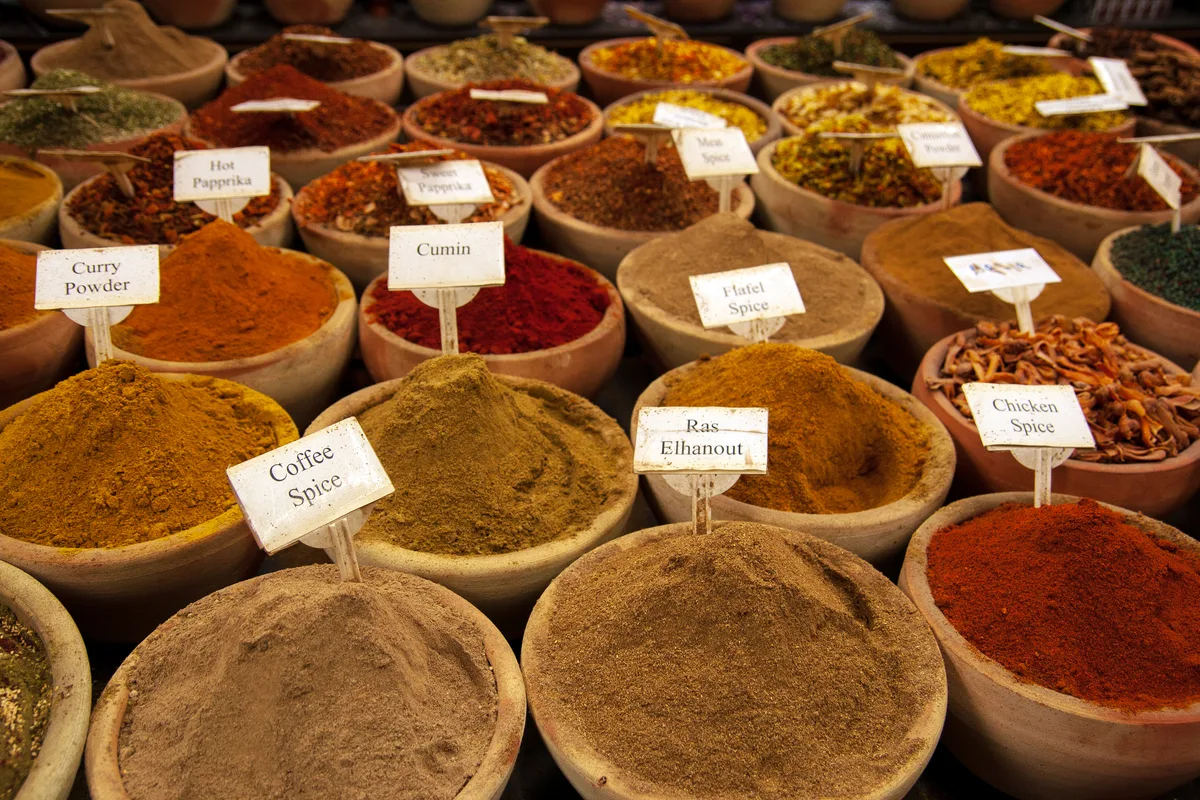
Persian grocery stores stock a pantry that overlaps meaningfully with the wider Levantine and Middle Eastern trade — dried limes, sumac and a shared spice-and-dried-herb shelf are staples in both kitchens — which is why a Levantine wholesale supplier can genuinely serve part of a Persian grocery's shelf, even though our catalogue isn't built around Persian cuisine specifically. Levant Direct supplies the lines where that overlap is real, by the case, to grocers across the GTA.
This guide is deliberately narrow: it covers where a Levantine wholesale catalogue can supply a Persian grocery well, and states plainly where it can't, so you can plan sourcing across more than one supplier without guessing. Most Persian grocery owners already run this way in practice — one supplier for the specialty Persian lines, another for the broader Middle Eastern shelf that a Levantine, Turkish or Gulf-facing customer also expects to find.
Where the overlap is real: dried lime and sumac
Dried lime — known in Persian cooking as limoo amani — is used the same way whether it arrives in a Persian, Gulf or Levantine kitchen: whole, cracked or ground into soups, stews and rice dishes for a sour, slightly bitter depth. Our Lumi from AbdulRahim Mills is the same product under a different regional name, milled in Jordan and sold by the case.
Sumac sits on the table in Persian, Levantine and Turkish kitchens alike — sprinkled over kebab, rice and salad rather than cooked into a dish. Our Sumac is available in bulk case formats; if you're weighing sumac specifically, our dedicated sumac buyer's guide covers grades and formats in more depth than fits here.
Both lines matter more to a Persian shelf than their small footprint suggests. Dried lime and sumac are the kind of staple a regular customer restocks on a near-weekly basis rather than an occasional purchase, which makes reliable, consistent supply worth more to a grocer than a slightly cheaper one-off case.
The shared spice and herb shelf
Beyond the two headline overlaps, a broader shelf of everyday spices and dried herbs — cumin, coriander, cinnamon, cardamom, turmeric, black pepper, dried mint and rosemary among them — sees genuine use across Persian, Levantine and Turkish cooking alike, even where the finished dishes differ completely. A Persian grocer stocking rice-and-stew staples, grilled-meat spice mixes and herb-forward dishes draws on much the same base spice list a Levantine kitchen does, even though the blends and proportions diverge from there.
None of this is a claim that our range covers Persian cuisine specifically — advieh and other Persian-specific spice blends aren't part of this catalogue. What it does mean is that the everyday, high-turnover spice shelf underneath those specialty blends can genuinely be sourced here, in the same case formats and on the same quote cycle as everything else you buy from us.
| Category | Overlap with the Persian shelf | Catalogue link |
|---|---|---|
| Spices | Cumin, coriander, cinnamon, cardamom, turmeric, black pepper and more, milled by AbdulRahim Mills | Spices |
| Herbs & teas | Dried mint and rosemary see everyday kitchen use in both traditions | Herbs & teas |
What's outside this catalogue
Be clear-eyed about the gap. Saffron is not stocked in this catalogue and we won't suggest a substitute in its place — a Persian grocery's saffron line needs its own dedicated supplier, and saffron quality is exactly the kind of thing worth sourcing from a specialist. Barberries, dried limes ground specifically for Persian rice dishes in finer grinds than ours, and a number of other Persian-specific pantry items also fall outside what we carry.
Rosewater is a partial exception: it isn't a stocked catalogue item, but it can be sourced on request through our supplier houses rather than ruled out entirely. Our guide to rose and orange blossom water explains how that sourced-on-request process works and what to expect on lead time. If there's a specific line you need that isn't listed at all, ask in your inquiry — it costs nothing to raise, even if the honest answer is that it stays outside this catalogue.
Ordering the overlap lines for a Persian grocery shelf
Because dried lime, sumac and the shared spice shelf are shelf-stable and don't compete for cold storage, they combine easily into one mixed inquiry alongside anything else you source from us. Add quantities to an inquiry and a written quotation typically returns within a business day — see how inquiry ordering works.
Treat this catalogue as one supplier among the several a well-stocked Persian grocery typically uses, rather than a single source for the whole shelf. A practical way to start is a single mixed inquiry covering dried lime, sumac and your core spice list, so you can judge our case formats, quoting speed and delivery against whatever you're sourcing today before deciding how much of the overlap shelf to move over.
Related questions
Do you stock saffron for a Persian grocery shelf?
No — saffron isn't in this catalogue and we don't offer a substitute for it. Where a Persian and Levantine shelf genuinely overlap, such as dried lime, sumac and everyday spices, we supply real depth.
Is your dried lime the same product as limoo amani?
Yes. Dried lime — loomi, black lime or limoo amani depending on the kitchen — is used identically across Persian, Gulf and Levantine cooking. Ours is milled and packed by AbdulRahim Mills in Jordan.
Can Persian-overlap lines and other Levantine products ship in one order?
Yes. A mixed inquiry spanning any lines in the catalogue — spices, herbs, sumac, dried lime and beyond — is the normal way to order, and it consolidates into a single delivery.
Should a Persian grocery use one supplier or several?
Most well-stocked Persian groceries use more than one supplier — a specialist for saffron, barberries and other Persian-specific lines, and a broader Middle Eastern importer for the shared spice, herb, sumac and dried-lime shelf. That split is normal and usually the more reliable approach.