For Grocers & Retailers
A Levantine shelf for mainstream grocery: what earns a place in the international aisle
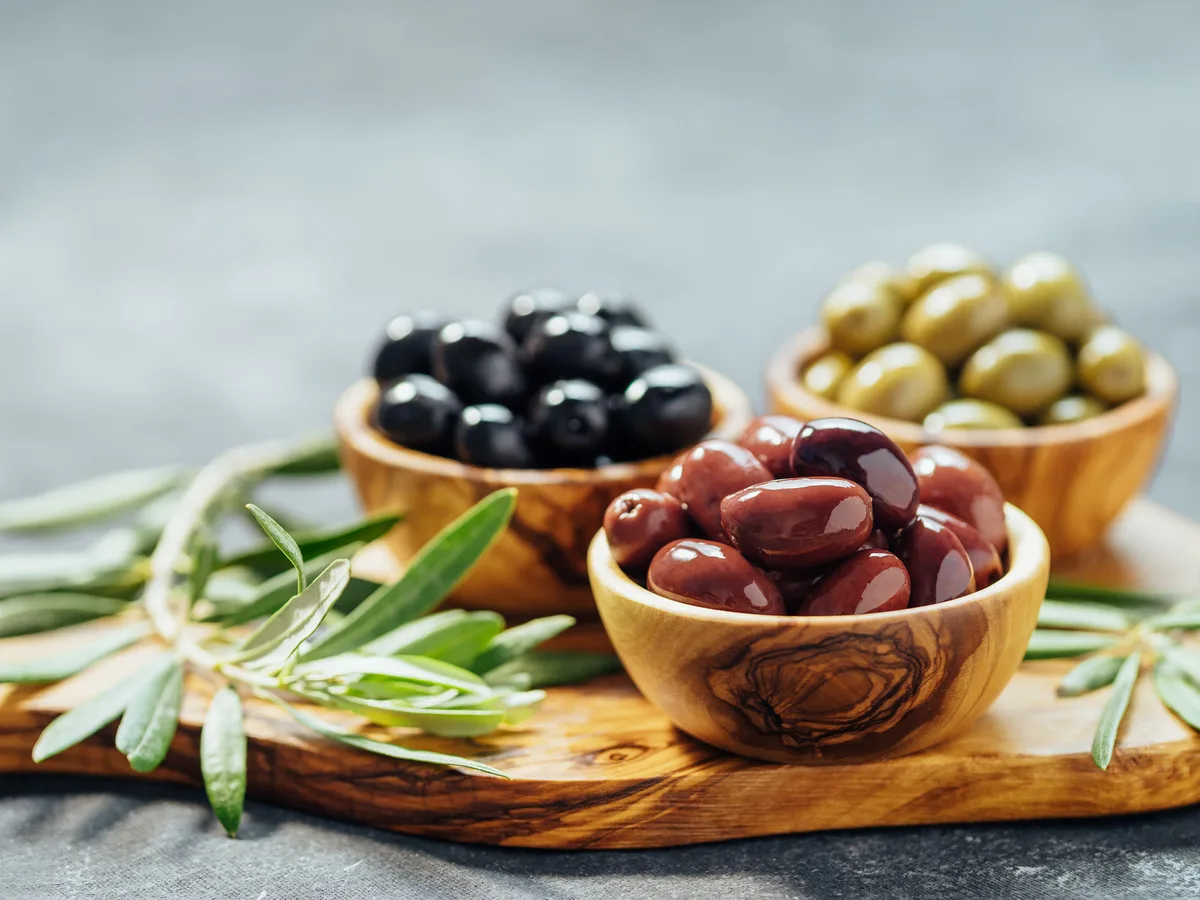
A Levantine set earns its place in a mainstream international aisle when it balances recognition with discovery: olives, olive oil and tomato paste that any shopper can anchor on, beside za'atar, pomegranate molasses and halawa that give the section a reason to exist. Four feet of shelf, glass-forward, entirely shelf-stable — that is the working formula.
The demand case is stronger than most category managers assume, and the operational case — no cold chain, long code dates, cases sized for small facings — makes this one of the lower-risk international resets available. Here is how to plan it.
The shopper the aisle is missing
Start with who is already walking past the set. The 2021 Census counted 163,405 people in the Toronto CMA who can converse in Arabic (Statistics Canada, 2021 Census), and market research found that 57% of halal shoppers felt mainstream chains didn't meet their needs — as of 2019, per Nourish Food Marketing (reported by NOW Toronto). That is a shopper who visits your store for produce and dry goods, then drives to a specialist for za'atar. Every line you range correctly is a trip you keep.
The second shopper is the mainstream cook who has met za'atar and pomegranate molasses through recipe culture and wants one trusted facing, not an aisle of unfamiliar brands. Both shoppers reward the same thing: authentic products with the producer named on the label.
The four-foot shelf plan
The Green Jordanian Thyme and the Red Thyme za'atar-style blend cover both the classic green and the sumac-forward red profile — what za'atar actually contains is its own conversation, answered at what is za'atar made of. Zer Pomegranate Sauce is the most recipe-driven item on the set, and Zer Sliced Green Olives in glass face beautifully at the anchor tier.
| Tier | Products | Role |
|---|---|---|
| Eye level — discovery | Green Jordanian thyme (za'atar), red za'atar-style blend, pomegranate sauce | The reason the set exists; recipe-card material |
| Recognition anchors | Sliced and whole olives in glass, premium virgin olive oil, tomato paste, capers | Familiar staples that make the set legible |
| Sweet & snack | Ma'amoul boxes, pistachio halawa, sesame and thyme breadsticks | Impulse, gifting and the coffee-pairing story |
| Base shelf | Larger glass formats — green olives, artichoke | Family-size repeat purchases |
Merchandising that moves the discovery tier
Discovery lines don't sell themselves off a bare shelf; they need three lines of context. The cheapest merchandising in the category:
- Recipe cards beat brand talkers. Za'atar plus olive oil plus flatbread is a three-line recipe; muhammara sells pomegranate molasses better than any adjective could.
- Cross-merchandise at the cheese counter. Capers, crushed red hot pepper and sesame breadsticks belong on the board program as much as in the aisle — see the breadstick shelf for the snack side.
- Let glass do the talking. Levantine preserves in glass outshine tins on a mainstream shelf; face them label-out at eye level.
- Name the producer on the tag. 'Milled in Jordan by AbdulRahim Mills' is a shelf-talker that costs nothing and does all the authenticity work.
Testing with one mixed-case order
The category is quote-based rather than list-priced, which suits a trial: build one inquiry with a case of each candidate line, send it, and the quotation prices your whole reset within about a business day — how inquiry ordering works explains the mechanics. Asking commits you to nothing, and mixed inquiries are the norm rather than the exception.
Run the set for a season, then deepen what moved. An endcap trial before a full in-line reset is a legitimate first step — the set is shelf-stable, so slow movers roll forward instead of writing off. If the section graduates into a proper program, the full distributor guide for Middle Eastern grocery covers category depth, and your reorders reuse the same saved list.
Related questions
Will mainstream shoppers actually buy za'atar?
Yes — when the shelf does the explaining. A three-line recipe card (za'atar, olive oil, flatbread) converts curiosity into a basket item, and the diaspora shopper already knows exactly what they are looking at. The discovery tier serves both at once.
Does any of this need refrigeration?
No. The whole starter set — spices, za'atar, olives and preserves in glass, halawa, sweets — is shelf-stable at room temperature, with long code dates. Refrigeration only enters after opening, on the shopper's side of the register.
How much space does a starter set need?
One four-foot section, four shelves, covers the plan above. If a full section is not available, an endcap trial with the discovery tier plus a few anchors reads well and generates the sales data to justify the in-line set.