Sourcing & Wholesale
Wholesale products for Amazon sellers in Canada: sourcing shelf-stable Levantine lines
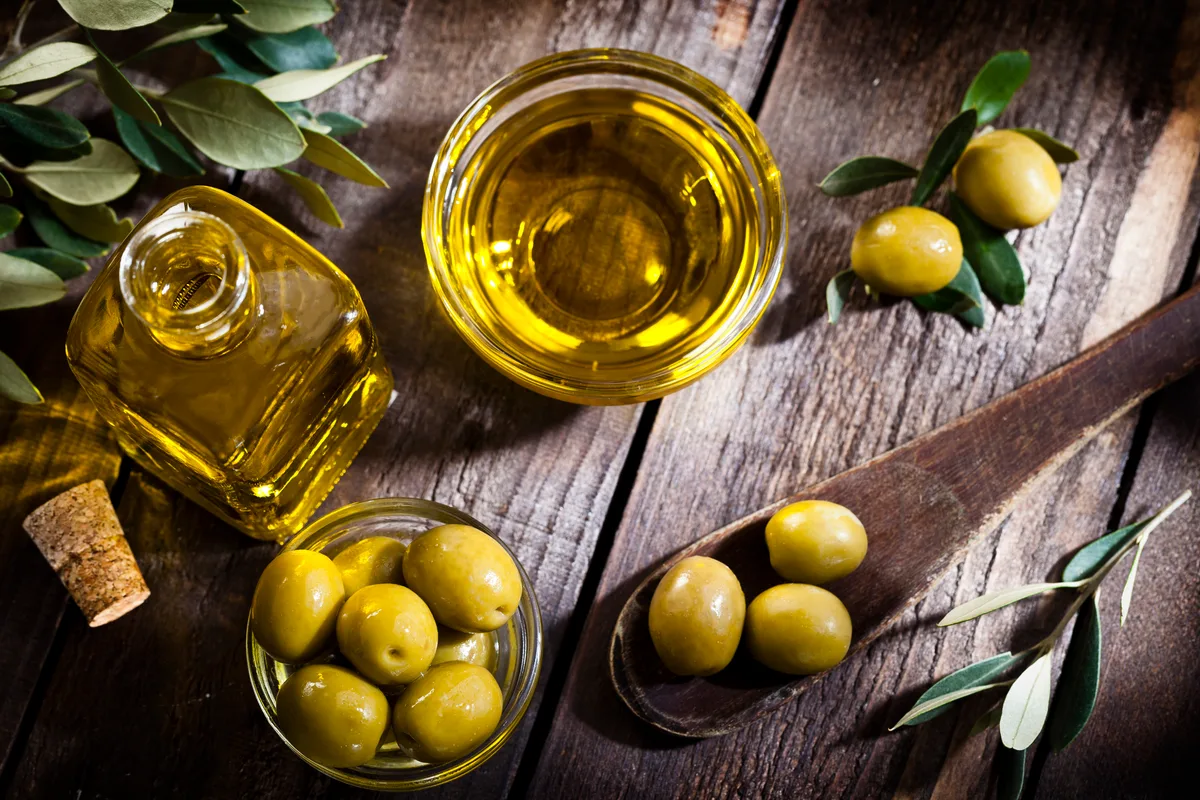
Amazon sellers sourcing wholesale product for Canadian marketplace listings look for goods that ship and store well without refrigeration, arrive in consistent case counts they can forecast against listing velocity, and can carry compliant Canadian retail labeling once they're relisted. Shelf-stable Levantine lines — natural oils, Aleppo soap, spices — fit that brief closely, and Levant Direct supplies them by the case through the same inquiry-and-quote process every buyer uses, whether they're stocking a physical shelf or a fulfillment centre.
Worth saying plainly up front: we are a wholesale case supplier, not a fulfillment or FBA-prep service. This page explains sourcing — what to buy and how ordering works — not marketplace listing or fulfillment operations, which stay entirely on the seller's side.
Why shelf-stable lines suit an online listing
Inventory destined for a marketplace listing can sit in a warehouse or fulfillment centre for weeks before it sells, which makes spoilage risk the first thing to eliminate from a sourcing decision. Our guide to why shelf-stable goods make import sense covers this in depth, but the short version applies directly here: a case that doesn't need a cold chain doesn't punish slow-moving inventory the way a perishable product would, and it ships and stores identically whether it's headed to a fulfillment centre, a garage, or a storefront.
That matters more for a new listing than an established one. A brand-new product page typically sells slowly at first while it builds reviews and search visibility, and a shelf-stable case tolerates that ramp-up period without any pressure to discount or clear stock before it turns.
Categories that suit marketplace resale
Three categories in our catalogue map cleanly onto an online-listing model, each for a slightly different reason.
| Category | Why it suits an online listing | Anchor |
|---|---|---|
| Natural oils | 70-plus SKUs under one supplier, glass format, low return risk from spoilage | Natural oils |
| Aleppo soap | Recognizable craft category with a genuine origin story for a product listing | Aleppo soap |
| Spices | Steady, repeat-purchase category that rewards a stable supply line | Spices |
Labeling and marketplace compliance sit with the seller
Any product you list and ship from Canada needs Canadian retail labeling appropriate to its category. For food, that means the bilingual labeling requirements the CFIA sets out — common name and net quantity in both English and French, plus correct allergen declarations (CFIA bilingual food labeling). For soap and oils, Health Canada's Cosmetic Regulations apply instead — an INCI ingredient list on the outer label and notification of sale within ten days, among other requirements (Health Canada cosmetics). Marketplace-specific listing requirements are set by the platform itself and sit entirely outside what we can advise on. Confirm both the regulatory requirements and the marketplace's own seller policies directly; this is general guidance, not legal advice.
That labeling responsibility applies whether you're selling the product exactly as it arrives from us or repackaging it under your own brand. It's worth planning label artwork before your first order arrives, not after, since a listing photographed with non-compliant packaging usually needs reshooting once the correct label is applied.
Building a marketplace catalogue without overcommitting
A single listing built on one well-chosen SKU, run properly, generally teaches a new seller more than five listings launched at once — inventory forecasting, review-building and listing optimization all get easier to manage with fewer moving parts. A narrow launch also keeps your exposure to any one product's performance low while you learn how demand for that specific category behaves on the marketplace.
Once that first listing is selling consistently, expanding into a second SKU in the same category — a different oil, a different soap format — is usually a smaller step than opening an entirely new category, since you're reusing photography style, listing copy patterns and a supply relationship you already understand.
Ordering as a marketplace seller
The ordering mechanics don't change for a marketplace seller: add the lines and quantities to an inquiry, receive a written quotation typically within a business day, and reorder against your actual sales velocity rather than a fixed schedule. See how inquiry ordering works for the full process.
Once a stocked line has proven itself on your listing, private labeling is a realistic next step — putting your own brand on a product an origin producer already makes well. Our private label guide and the white label vs private label answer cover how that decision is usually made. Our broader wholesale products to resell in Canada playbook covers the same order-sell-learn-reorder cycle for resellers working outside a single marketplace as well.
Related questions
Do you offer FBA prep or fulfillment services?
No. We supply product by the case; prep, labeling and fulfillment for any marketplace stay entirely on the seller's side.
Can I private label a product for my own marketplace listing?
Yes, once a stocked version has proven demand on your listing. See our private label guide and the white label vs private label comparison for how that conversation typically starts.
Which categories tend to move well for online sellers?
Shelf-stable ones — natural oils, Aleppo soap and spices are the three that suit an online-listing model best, since none of them carries spoilage risk while inventory sits in a warehouse or fulfillment centre.
Should I launch with one SKU or several at once?
One well-chosen SKU is usually the better start. It's easier to forecast, photograph and optimize a single listing than several at once, and expanding into a second SKU in the same category is a smaller step once the first is selling consistently.