Import & Logistics
Why shelf-stable goods make import sense for small GTA buyers
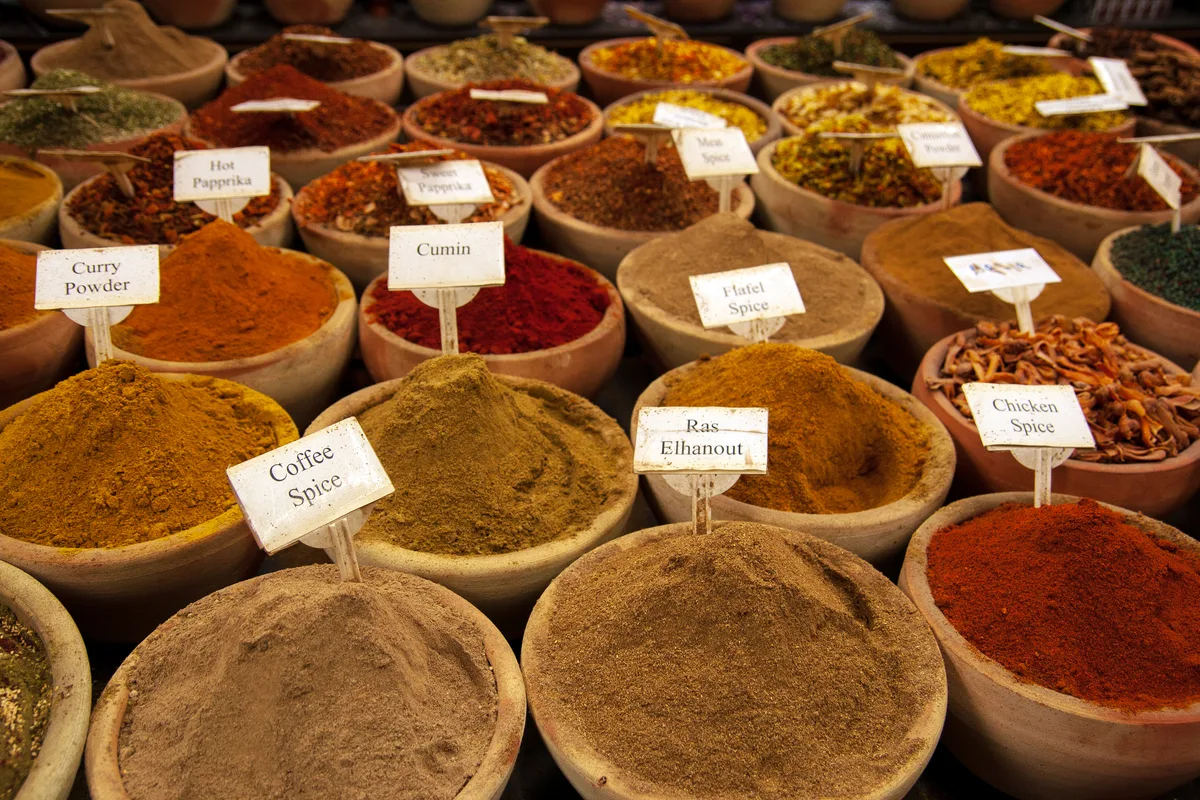
Shelf-stable goods make import sense because nothing about the model — case quantities, a day's wait for a quotation, delivery on a schedule rather than same-day — punishes a product that doesn't need refrigeration and doesn't spoil on a normal retail or kitchen timeline. Spices, natural oils, soap, halawa, olives and preserves are exactly that kind of product, which is most of what a Levantine import catalogue actually is.
This guide explains what shelf stability changes about importing and ordering — and, just as importantly, what it doesn't: the same Canadian licensing and compliance framework applies whether or not a product needs a fridge. It's also, in a fairly direct sense, why an import catalogue built entirely on shelf-stable goods can serve small GTA buyers well: nothing on this shelf punishes a cautious first order.
What "shelf-stable" covers in a Levantine pantry
Most of the Levantine pantry qualifies: dried spices and blends, natural and herbal oils, laurel soap, tahini-based halawa, olives and preserves in glass or tin, dessert mixes, coffee and dried herbs. In our own catalogue that spans natural oils, spices, Aleppo soap, sweets and bakery and canned preserves — a large majority of what's listed. What's excluded is the short list of goods that genuinely need cold storage, which this catalogue simply doesn't carry.
Shelf stability isn't a marketing description; it's a real logistics property. A product that holds its quality at room temperature for months tolerates ocean freight, warehousing and a slower reorder cycle far better than anything with a cold chain to protect.
Why shelf stability simplifies the buyer's side of the equation
For a small restaurant, café or grocer, the practical benefit shows up at the ordering stage. A case that lasts weeks or months on a shelf carries none of the waste risk that makes first-time buyers cautious about ordering by the case — you can order conservatively, see how a product moves, and reorder with real sales data behind you rather than guessing against a spoilage clock.
It also makes mixed, cross-category orders straightforward: spices, soap and sweets can travel and store together without the temperature zoning that perishable goods require, which is exactly why mixed pallets and consolidated orders work as well as they do for this category. A grocer who might hesitate to commit to a full pallet of one spice can build the same value into a mixed inquiry spanning several shelf-stable categories instead, with none of the storage complexity a perishable mix would add.
Shelf-stable vs. perishable, side by side
The practical difference shows up at every stage of the chain, not just on the shelf.
| Shelf-stable (this catalogue) | Perishable | |
|---|---|---|
| Transit tolerance | Handles longer international shipping without special handling | Needs a managed cold chain end to end |
| Storage on receipt | Room temperature, dry storage | Refrigeration or freezing required |
| First-order risk | Low — a slow-moving case doesn't spoil, it just sits | High — unsold stock becomes waste on a fixed clock |
| Mixed-category shipping | Straightforward — no temperature zoning needed | Complicated by different cold-chain requirements per product |
What doesn't change: the compliance framework
Shelf stability has no bearing on whether a food import needs a Safe Food for Canadians licence, a preventive control plan or traceability records — those requirements attach to the act of importing food, not to how long it keeps (CFIA — importing food). A case of soap or dried herbs crosses the border under exactly the same framework as a perishable shipment would.
That's a reason to buy through an already-licensed importer, not a reason to think shelf-stable goods are lightly regulated. Buying from a licensed importer vs. importing yourself explains where that responsibility actually sits.
What this means for how you order
Because nothing spoils on the shelf while you learn what sells, the sensible first order is a broad, conservative one: a line or two from each category your customers care about, rather than a large single-SKU bet. Build the inquiry across categories — that's how mixed orders quote and deliver most efficiently — and let the reorder pattern tell you where to go deeper. How inquiry ordering works covers the mechanics end to end.
It also changes how seasonal buying works. Because a shelf-stable case doesn't carry a use-by clock the way perishable stock does, an early, generous seasonal order for Ramadan or Christmas is a low-risk decision rather than a gamble — unsold stock simply rolls into the next window instead of the markdown bin.
This is general guidance, not legal advice — confirm licensing specifics that affect your own business with the CFIA.
Related questions
Does shelf-stable mean a product doesn't need a food import licence?
No. The Safe Food for Canadians licence, preventive control plan and traceability requirements apply to the act of importing food regardless of shelf life — shelf stability changes the logistics and the ordering risk, not the compliance framework.
Why do shelf-stable goods suit small first orders?
Because a case that keeps for weeks or months carries no spoilage risk while you find out what actually sells. That lets a small buyer order broadly and conservatively instead of betting heavily on one line.
Can shelf-stable products from different categories ship together?
Yes — without a cold chain to manage, spices, soap, sweets and preserves can travel and warehouse together, which is exactly what makes mixed, consolidated orders practical for this category, and what lets a small buyer combine several small lines into one worthwhile delivery.