Sourcing & Wholesale
Private label Levantine products, packed at origin under your brand
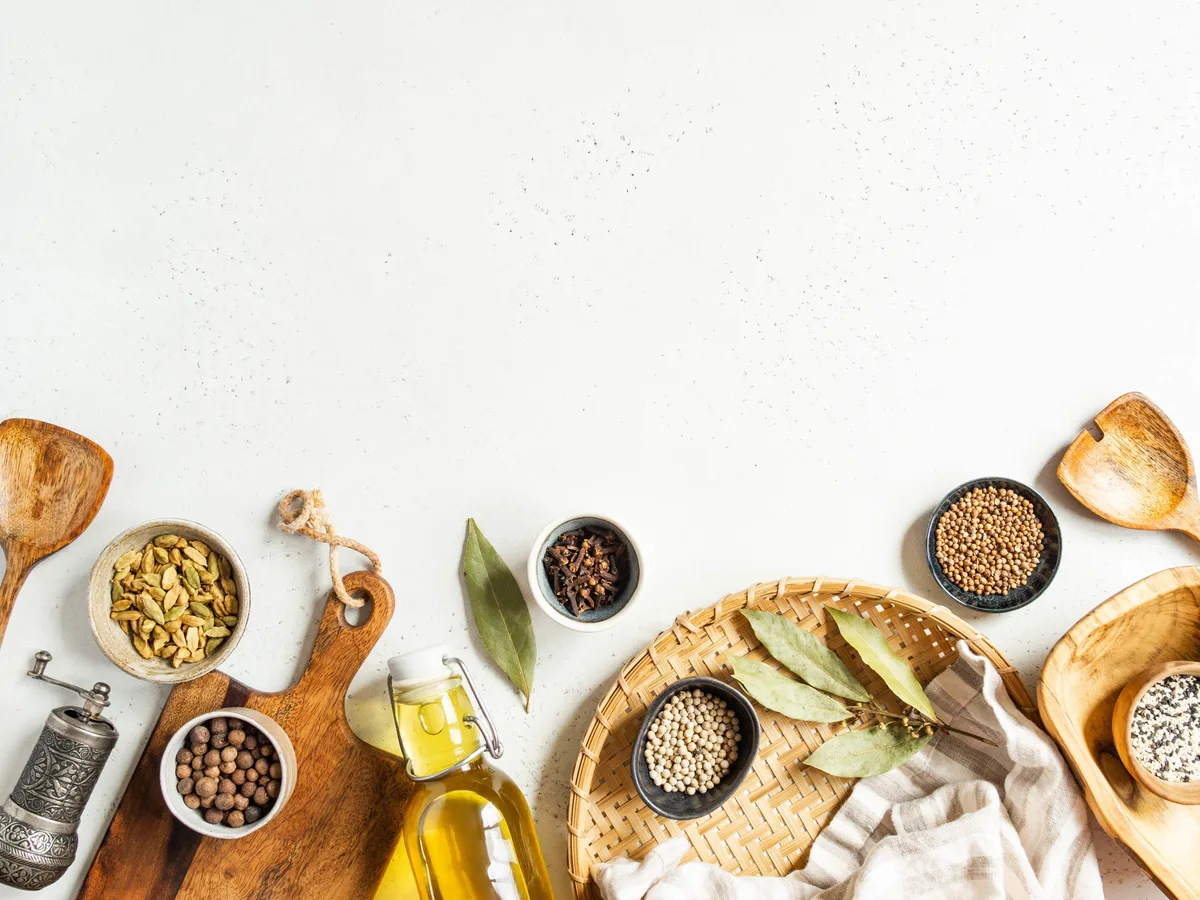
Private label Levantine products means an origin producer — a spice mill in Amman, a soap house working the Aleppo tradition, a Damascus-style sweets workshop — packing its product under your brand instead of its own. For a Canadian buyer, the practical route runs through an importer that already holds those relationships: Levant Direct works with ten supplier houses across Jordan, Syria, Türkiye and Egypt, and a private-label conversation starts the same way any order does — with an inquiry.
This guide covers the difference between private label and white label, what each of our houses actually makes, the Canadian labeling basics that catch first-time brands, and what to bring to the first conversation.
Private label vs white label: the difference that matters
White label puts your name on a product the producer already makes; private label goes further — your specification, your recipe adjustments, your format. White label is faster to launch; private label is more defensible once your brand has traction, because nobody else can order your product from the same catalogue.
- The two questions every first call asks are answered here: white label vs private label and private label minimums.
- Minimums and lead times are set per producer and per format — they are quoted in writing for your project, not guessed at in advance.
| Model | What changes | Sensible first step |
|---|---|---|
| White label | Your brand on the producer's existing product | Sell the stocked catalogue version first to prove demand |
| Private label | Your specification — blend, format, pack — made for you | Bring realistic volumes and a written spec to the inquiry |
The houses behind the label
Every private-label conversation is really a conversation with a specific house, so start from what each one already makes well.
- AbdulRahim Mills (Jordan, Palestinian heritage): spices, za'atar, sumac and shawerma blends — the natural home for a spice or blend label.
- Ibrahim Srour Est. (Jordan, Damascus tradition): halawa.
- Hamdan for Foods (Jordan, Damascus origin): ma'amoul, breadsticks and baked sweets.
- Zer Group (Türkiye, Gaziantep): olives, tomato paste, pomegranate sauce and dessert creams.
- Lio Food (Syria, Latakia): olive oil, coffee and coastal pantry preserves.
- Noon Foods (Jordan, Amman): baking powders, custards, jellies and instant soups.
- Nader Barakat & Sons (Türkiye, Aleppo tradition): laurel soap.
- El Captain (Egypt, Cairo): natural oils and traditional personal care.
Labeling for the Canadian shelf
A label that works at origin rarely works in Canada as-is. Core mandatory information on food labels must appear in both English and French — the CFIA's bilingual labelling guidance sets out what must appear and the narrow exemptions — and allergen declaration follows Canadian rules, not the origin country's. Soap and oils are a different regime again: cosmetics follow Health Canada's Cosmetic Regulations rather than food labeling. Plan the Canadian label as part of the project, not an afterthought. This is general guidance, not legal advice; confirm specifics with the CFIA and Health Canada.
The import side is simpler than most first-time brands fear. Goods arriving through a licensed Canadian importer come in under the importer's Safe Food for Canadians licence — the CFIA explains the importing framework — so a retail brand buying from an importer is not itself the importer of record. Our plain-language posts on importing Middle Eastern food into Canada and buying from a licensed importer vs importing yourself go deeper.
What to bring to the first conversation
A private-label inquiry moves fastest when it arrives with five things: the target product and the closest stocked catalogue item; realistic launch volumes and an honest reorder expectation; the format and pack you want on the shelf; where it will sell; and a timeline that includes label design and review, not just production. The answer page on what information speeds up a quote applies doubly here.
The strongest first move is unglamorous: order the stocked version and sell it for a season. The catalogue is the sampler — spices, Aleppo soap, natural oils — and a season of real sales data turns your private-label conversation from a guess into a plan. If the product you want isn't listed at all, that's a normal request too; see requesting products not in the catalogue.
Related questions
What are typical private-label minimums?
They vary by producer, product and format, so they are quoted per project rather than published. White-label runs on an existing product generally start smaller than fully custom production — state your volumes in the inquiry and the quotation will answer precisely.
Can I private-label a product already in the catalogue?
That's the white-label route, and it's the usual starting point. Raise the specific product in your inquiry; feasibility is confirmed house by house.
Do I need my own import licence?
Buyers purchasing from a licensed Canadian importer don't import — the importer holds the Safe Food for Canadians licence, per the CFIA. Confirm your own situation with the CFIA; this is general guidance, not legal advice.
How long does a private-label project take?
Production, label design, review and shipping each add time, and every project differs — timelines are set out in writing as part of the quotation rather than promised up front.