Sourcing & Wholesale
Anise seeds wholesale in Canada: whole, ground, and the breadstick connection
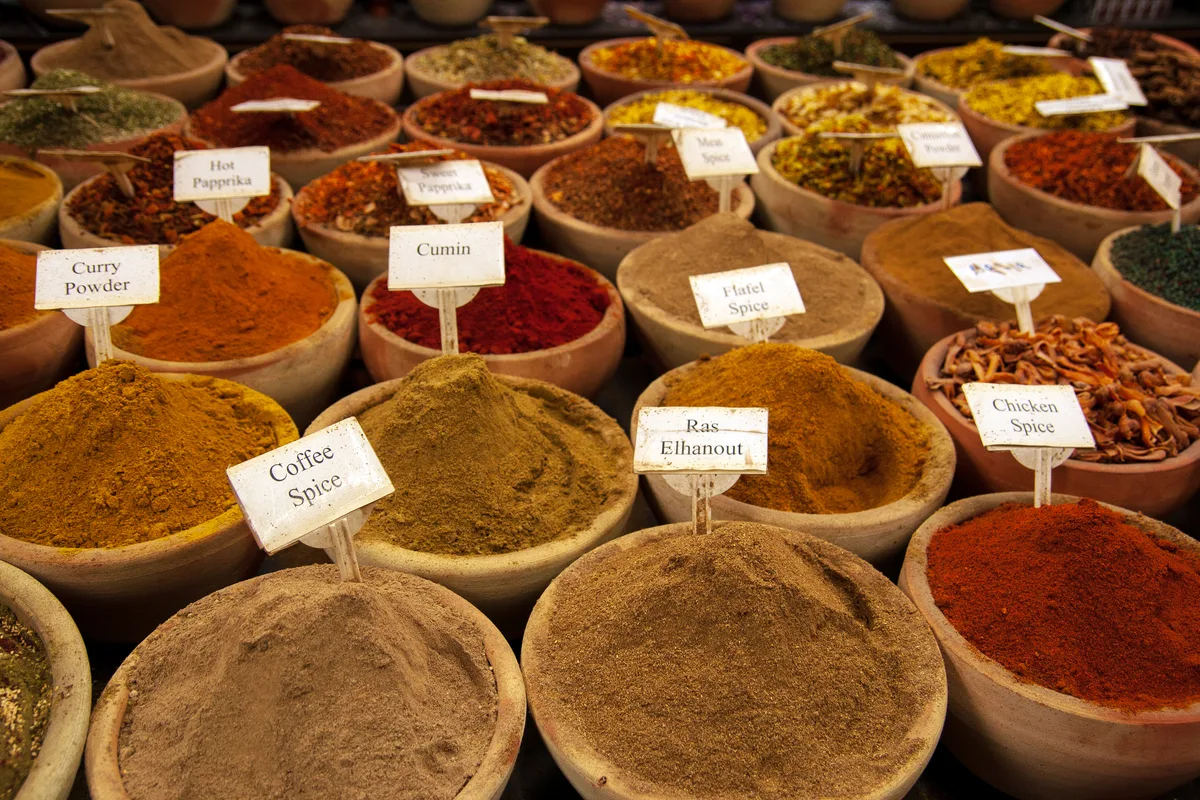
Anise seeds wholesale in Canada is a small but steady line for bakeries, tea blenders and Levantine grocers, best bought whole for infusions and topping bread, or ground for working straight into a batter or dough. We stock both through AbdulRahim Mills: Aniseed whole, and Ground Aniseed, quoted by inquiry with one written quotation covering every line you add.
Aniseed sits at the crossroads of bakery, tea and spice-blend buying — it's the seed behind anise-scented breads and breadsticks, a common addition to herbal tea mixes, and a flavour note in a handful of regional sweets. This guide covers what the seed is used for, how whole and ground formats differ in the kitchen, and how to source it properly.
What anise seed actually is, and what it isn't
Aniseed comes from Pimpinella anisum, a plant in the carrot family, and it has a warm, sweet, licorice-forward aroma driven by the same aromatic compound (anethole) found in fennel and star anise — which is why the three are so often confused. Star anise is a different plant entirely (a star-shaped pod from an evergreen tree), and fennel seed, while related in flavour family, has its own distinct sweetness and a slightly different aroma profile. None of the three are true substitutes for each other in a recipe that calls specifically for aniseed.
Whole aniseed keeps its aroma far longer than ground, since the essential oils are sealed inside the small seed until it's cracked or milled. If your kitchen or bakery has any capacity to grind to order, whole seed is the safer buy for anything beyond a few weeks' turnover.
Where anise seed shows up in a Levantine pantry
The most visible use in our own catalogue is breadsticks: Anis Breadsticks from Hamdan for Foods are baked with aniseed running through the dough, and bakeries building a similar line reach for the raw seed to flavour their own doughs, cookies and holiday breads. Aniseed also appears in some regional spice biscuits and in the seed toppings on flatbreads alongside sesame and nigella.
For grocers and tea retailers, whole aniseed sells both as a standalone spice-rack item and as a component buyers add to homemade herbal tea blends — it's a familiar digestif-style tea in several Levantine and Mediterranean households, brewed on its own or alongside other dried herbs. If you're already stocking a levantine herbal tea range, aniseed is a natural addition to the same shelf.
It also turns up, in smaller quantities, in a handful of festive sweets and spiced biscuits alongside cardamom, mahlab and cinnamon — households that bake for Easter, Christmas or Eid often keep a jar of aniseed in the same cupboard as those other aromatics. A grocer stocking one is usually well placed to stock the others, since customers tend to buy for a specific recipe rather than one seed at a time.
Formats: whole seed vs ground
The choice mostly comes down to how the seed will be used — whole for infusing or topping, ground for baking directly into a batter or filling.
| Format | Best for | Watch-outs |
|---|---|---|
| Whole aniseed | Tea blending, bread and breadstick topping, retail spice shelves | Store sealed and dark; whole seed still fades over long periods |
| Ground aniseed | Baking directly into dough or batter, spice blends, sweets production | Buy in quantities you'll use within a few months for the best aroma |
| Finished anise breadsticks | Cafés and grocers wanting a ready-to-sell product rather than a raw ingredient | A separate SKU from the raw spice — Anis Breadsticks is baked and packaged |
How to source it from us
Aniseed follows the same quote-based model as the rest of the catalogue: add whole seed, ground aniseed, or the finished breadsticks, to an inquiry list with your quantities, alongside anything else from the spice range or sweets & bakery lines, and one written quotation comes back covering every line — typically within a business day. Asking commits you to nothing, and there's no published price list; the quotation is the price document.
Bakeries building out a Levantine or Mediterranean line often order aniseed alongside sesame and nigella seed for toppings, and alongside cardamom and mahlab for filled sweets — worth adding to the same inquiry if that's your program. Our guide to Levantine bakery ingredients covers the wider list.
Related questions
Is anise seed the same as star anise or fennel seed?
No — all three share a similar licorice-like aroma compound, but they come from different plants. Aniseed is from Pimpinella anisum, star anise is a pod from an evergreen tree, and fennel seed has its own distinct plant and flavour profile. They aren't reliable substitutes for one another in a recipe.
Should a bakery buy whole or ground aniseed?
Whole, if you can grind to order — it holds its aroma much longer. Ground aniseed is the practical choice when it's going straight into a batter or dough and grinding in-house isn't part of your process; just buy quantities you'll use within a few months.
Do you sell finished anise breadsticks as well as the raw spice?
Yes. Anis Breadsticks from Hamdan for Foods are a separate, ready-to-sell product baked with aniseed running through the dough, alongside the raw whole and ground seed for kitchens and bakeries that want to work it into their own recipes.
How should aniseed be stored to keep its aroma?
Sealed, cool and out of direct light, the same as any whole spice. Whole aniseed keeps its aroma for many months stored this way; ground aniseed fades faster, so buy it in quantities you'll turn over within a few months of receiving it.