Product Guides
Arabic coffee with cardamom: grades, brewing and how to buy it
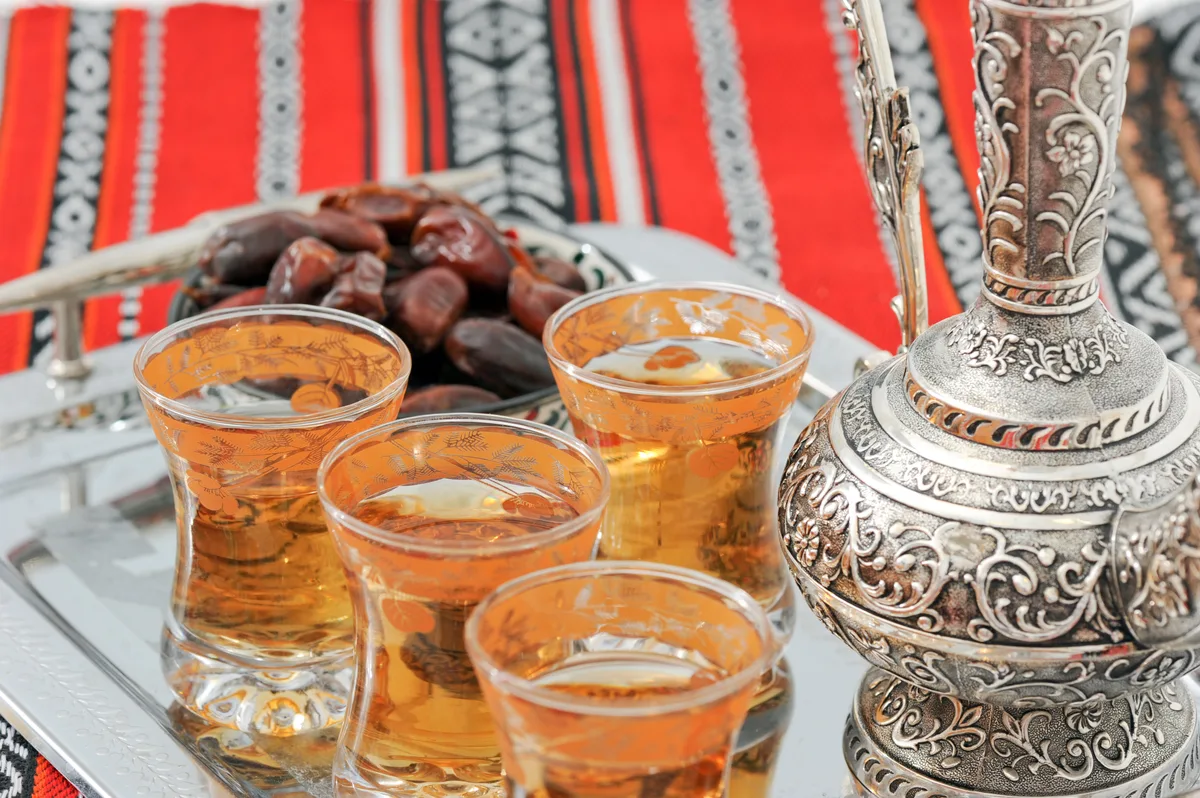
Arabic coffee — qahwa in Arabic — is a finely ground, unfiltered coffee traditionally brewed with cardamom and served unsweetened in small cups as a gesture of hospitality across the Levant and the wider Arab world. Cardamom isn't a garnish here; it's brewed directly into the pot, and how much of it goes in is the main variable that separates one house style from another. Lio Food supplies our three grades, ground and packed to differing cardamom levels so a café or household can match the style they want without blending it themselves.
This guide covers how the cardamom levels differ, how the coffee is traditionally brewed, and where each of our three lines fits.
Why cardamom, and how much is 'right'
Cardamom is added to Arabic coffee both for flavour and for a long-standing role in the region's hospitality traditions — we'll stick to flavour and tradition here rather than any health claim. The amount varies by household and region: some brew a light hand of cardamom that barely perfumes the cup, others brew it heavy enough that cardamom is the dominant note over the coffee itself. There's no single 'correct' ratio — it's a matter of house style, which is exactly why a grade system with clear labelling matters more than a single blended product would.
Our three grades, and who each suits
| Product | Cardamom level | Suits |
|---|---|---|
| Ground Coffee (Cardamom Free) | None | Buyers who add their own cardamom to taste, or serve plain Arabic-style coffee |
| Ground Coffee (With Cardamom) | Standard | The most common café and household default |
| Ground Coffee (Extra Cardamom) | Heavy | Buyers matching a strong-cardamom house style or regional preference |
How Arabic coffee is traditionally brewed
The traditional method uses a dallah — a long-spouted brass or copper pot — with finely ground coffee and water brought to a gentle simmer, never a hard boil, often in stages so the grounds settle and a light foam forms on top. Sugar, if used at all, goes into the pot during brewing rather than being stirred in cup by cup, since the coffee is typically served without further sweetening at the table. It's poured in small amounts into small cups, traditionally refilled as a guest's cup empties — a hospitality ritual as much as a beverage. A café adapting the method doesn't need the full ceremonial setup to serve it authentically: a small saucepan and a simmer instead of a boil gets most of the way there, and the grounds settling in the cup rather than being filtered out is expected, not a flaw to correct.
Serving and hospitality conventions worth knowing
Beyond the brewing method itself, a few service conventions carry real weight for anyone hosting or serving in a Levantine or wider Arab context. Coffee is traditionally offered before food, poured for guests before the host serves themselves, and a guest who's had enough gently tilts or shakes their empty cup rather than saying no outright — a signal worth knowing if a café is training staff to serve the drink with any cultural context rather than as a plain menu item. None of this changes how the coffee itself is made, but getting the presentation right — small cups, unhurried refills, coffee offered rather than requested — is often what separates a café that's genuinely serving the tradition from one that's simply selling a cardamom-flavoured drink.
Roast level and how it differs from other coffee traditions
Arabic coffee is typically roasted lighter than the dark roasts common in espresso-driven cafés, which keeps more of the bean's natural acidity and lets the cardamom read clearly rather than competing with heavy roast bitterness. The grind is also finer than drip coffee, closer to the texture used for Turkish-style brewing, which is part of why it's brewed rather than filtered — a coarser grind wouldn't extract properly at a gentle simmer. Because the beans are typically Arabica rather than a Robusta blend, the base flavour before cardamom is added tends to be smoother and less bitter than a typical diner-style drip coffee, which is worth knowing if a café is positioning it as a specialty item rather than a novelty.
Buying and brewing for a café
For a café program, With Cardamom is the safest default facing customers unfamiliar with the category, while Cardamom Free gives you the flexibility to build a house blend or serve a plain option alongside it. All three come in 100 g packs by the case of 30 — a format that suits both a café working through volume and a grocery shelf selling by the single pack. Because grind and roast are already set at origin, there's no equipment investment beyond a simmering pot or a stovetop kettle to start serving it properly.
Related questions
How much cardamom goes into Arabic coffee?
It varies by house style — some brew it lightly, others heavily enough that cardamom becomes the dominant flavour. That's why grades like cardamom-free, standard, and extra-cardamom exist, rather than one fixed ratio.
Is Arabic coffee the same as Turkish coffee?
They're closely related — both are finely ground, unfiltered, and brewed in a small pot — but Arabic coffee is traditionally lighter roasted and brewed with cardamom, while Turkish coffee is typically darker roasted and often served sweetened.
Do I need special equipment to brew it?
A dallah, the traditional long-spouted pot, is customary, but any small pot that lets you simmer finely ground coffee gently — not boil it hard — will work for a café or home setup.
What's the difference between your three coffee grades?
Cardamom Free has none added, so you control the ratio yourself; With Cardamom is blended to a standard level suited to most cafés; Extra Cardamom is blended heavier for buyers matching a stronger house style.