For Grocers & Retailers
Cardamom coffee and Levantine teas at retail: building the hot-drinks shelf that anchors the aisle
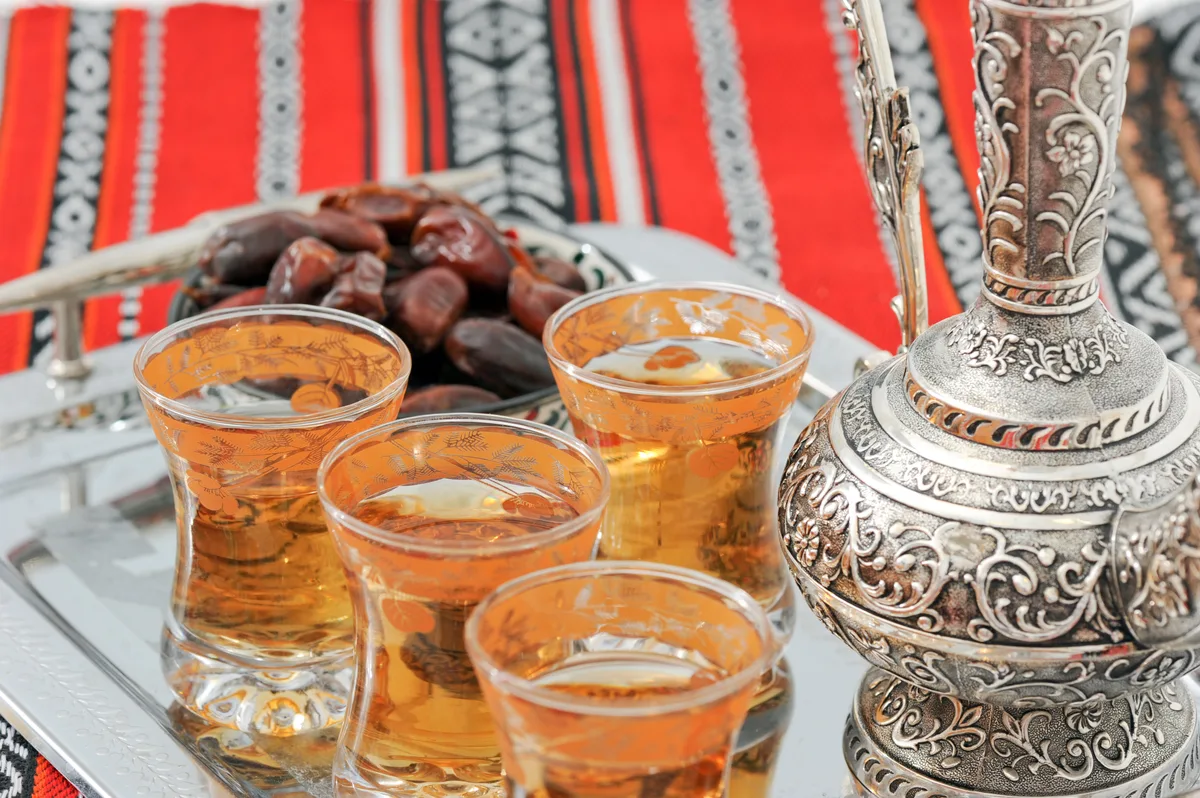
A Levantine hot-drinks shelf at retail runs on two lines: dark-roasted Arabic coffee ground with cardamom, and the loose dried herbs — mint, sage, hibiscus — that brew the region's everyday infusions. Both are shelf-stable, compact and bought on repeat, which makes them one of the lowest-risk ways for a grocer to signal an authentic Levantine range. At Levant Direct the coffee side is covered by three cardamom grinds from Lio Food of Latakia, Syria, and the tea side by a herb rack milled by AbdulRahim Mills in Jordan.
This guide covers why the category earns its facings, how to stock the three-grind cardamom spectrum, what belongs on the herb rack, and how quote-based reordering keeps the shelf full without heavy stockholding.
Why cardamom coffee earns its facings
Cardamom coffee earns shelf space because it is a daily-ritual purchase with a small footprint. Arabic-style coffee — finely ground, brewed in a small pot and served in small cups — is made at home every day in Levantine households, and the shopper who finds their preferred grind in your aisle comes back for it weekly, usually with a basket around it.
The customer base in the Toronto area is substantial and measurable: in the 2021 Census, Statistics Canada counted 163,405 people in the Toronto CMA who can hold a conversation in Arabic. Add the many Turkish and wider Middle Eastern households who brew the same style, and a single facing of cardamom coffee works far harder than its width on the shelf suggests.
One coffee, three grinds: stocking the cardamom spectrum
Lio's ground coffee comes in 100-gram packs, thirty to the case, in three cardamom levels — and the levels matter, because cardamom preference is personal and non-negotiable. A household that drinks coffee with cardamom will not happily switch to plain, and the guest-day pot often calls for the louder extra cardamom grind.
The cardamom-free grind is not the leftover option: it serves purists who crack their own pods fresh, drinkers who take their coffee late in the day, and kitchens that blend a house ratio. Stocked together, the three packs let every household find its level without leaving your aisle.
| Grind | Character | Who buys it |
|---|---|---|
| With Cardamom | Balanced, aromatic everyday cup | The default household purchase and the safest first facing |
| Extra Cardamom | Perfumed and celebratory | Guest-day brewing and strong cardamom loyalists |
| Cardamom Free | Pure dark roast | Purists who add their own pods; late-day drinkers; house blenders |
The herb rack that doubles as a tea shelf
Levantine tea culture is mostly not boxed tea at all — it is infusions of single herbs: dried mint dropped into black tea, sage (maramiyyeh) steeped on its own, hibiscus (karkadeh) served hot or iced. That means a grocer does not need a packaged-tea program to own the category; the dried herb rack is the tea shelf.
From AbdulRahim Mills we stock dried mint, sage leaves, hibiscus, rosemary and marjoram, alongside a mixed-herb blend. Merchandised in one block beside the coffee, they read instantly as a destination — and they cross the aisle, because the same sage and mint sell to shoppers cooking with them. For the deeper story on zhourat-style infusions and what goes into them, see our guide to Levantine herbal teas.
Merchandising, adjacency and the reorder rhythm
The hot-drinks shelf sells best next to the things drunk alongside it. Coffee and herbs beside the sweets and breadsticks — barazek with tea, a date ma'amoul with coffee — build baskets in both directions; our guide to the breadstick shelf at retail covers that pairing logic from the other side.
Reordering runs on inquiry: list the grinds and herbs you want with quantities, send the list once, and a written quotation comes back covering every line — the mechanics are described in how inquiry ordering works. Because the packs are small and shelf-stable, most stores hold two to four weeks of cover and reorder on a fixed rhythm rather than watching levels daily. If you also serve café customers brewing by the cup, our guide to Arabic cardamom coffee wholesale for GTA cafés covers the food-service side of the same range.
Related questions
What is Arabic coffee with cardamom?
It is finely ground, dark-roasted coffee blended with ground cardamom, brewed in a small pot and served in small cups. The cardamom is in the grind itself, so the aroma is consistent cup to cup without the brewer adding pods.
Which grind should a small store stock first?
Start with the balanced with-cardamom grind — it is the default household purchase — then add the extra-cardamom and cardamom-free packs as facings allow. The three together take very little space and let every household find its own level.
How should ground cardamom coffee be handled at retail?
Keep sealed packs away from heat, sunlight and strong odours, and rotate stock first-in, first-out. The 100-gram pack size works in the shopper's favour too: it is bought fresh and finished quickly rather than sitting open for months.