For Restaurants & Cafés
Arabic Coffee With or Without Cardamom: Stocking Both
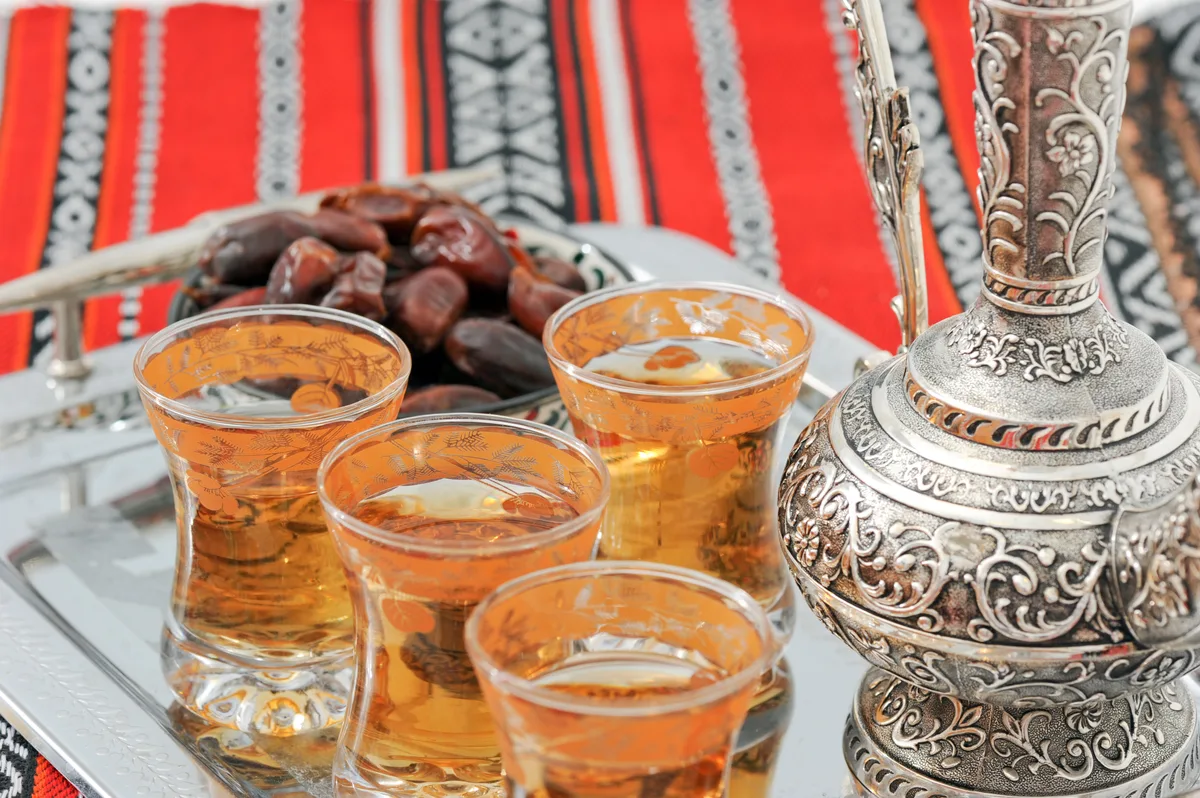
Cardamom is not a requirement of Arabic coffee — it's a regional and personal preference layered onto it, and plenty of drinkers take their coffee plain. That's the short answer to a question we get from cafés building a menu: no, you don't have to choose one over the other, and stocking a cardamom-free grade alongside a cardamom one isn't a compromise on authenticity, it's covering both halves of an actual customer base.
Lio Food, roasting in Latakia, Syria, packs the same base coffee three ways: cardamom-free, with cardamom, and extra cardamom. That three-way split exists because demand genuinely splits three ways, and this page is about the decision to stock more than one rather than picking a single "correct" grade. For a fuller walk-through of what each grade tastes like and how the roast itself differs from other coffee traditions, see our Arabic coffee guide — this page focuses specifically on the with/without decision and what it means for a menu.
The short answer: cardamom is an addition, not a definition
What makes a coffee "Arabic coffee" is the roast style, the fine grind and the brewing method — not cardamom. Cardamom is added during roasting or grinding as a regional and household preference, heavier in some families and countries than others, absent in others entirely. A café that assumes every customer wants cardamom risks alienating the portion who don't, just as one that never offers it misses the customers who consider it essential. Neither preference is more "authentic" than the other; both are real.
This matters most at the counter, not in the roast: a cardamom-free pot lets a customer add their own ground cardamom or simply drink it plain, while a pre-blended cardamom pot commits the whole batch to one flavour profile. Cafés serving a mixed customer base — some expecting the cardamom note, others encountering it for the first time — often find the cardamom-free base is the more flexible starting point, with cardamom offered as a stir-in or a second pot.
What each of the three grades solves
All three ship as the same 100 g aluminum vacuum pack in cases of 30, so stocking two or three grades side by side doesn't mean juggling different case formats — it's the same footprint per SKU, just more of them. A café that has only ever carried the middle grade (with cardamom) is, in effect, making the cardamom decision for every customer rather than letting the menu offer a choice.
| Grade | What it solves | Typical customer |
|---|---|---|
| Cardamom-free | A neutral base; customer controls the cardamom, or wants none | Drinkers who take coffee plain; a flexible house pot |
| With cardamom | The standard, moderate cardamom balance most guests expect | The default order for most Arabic-coffee drinkers |
| Extra cardamom | A stronger, more pronounced cardamom character | Guests and households who consider extra cardamom the point |
Building this into a menu without overcomplicating it
You don't need to list three separate coffee items to capture this. Many cafés run one grade as the default brew (usually "with cardamom," since it's the middle of the range) and keep cardamom-free on hand as a by-request or hospitality-tray option — a common practice at events and gatherings where guests are offered a choice rather than served a single pot. Extra cardamom tends to move as a smaller, deliberate stock line rather than a default, ordered by operators who know their customer base specifically wants it.
This is a different question from Turkish coffee, which is a separate roast and preparation tradition entirely — if you're weighing the two traditions rather than the cardamom question within Arabic coffee, our answer on Turkish coffee vs Arabic coffee covers that distinction. And once you've settled on grades, how long ground coffee stays fresh is worth reading before you commit to stocking three SKUs rather than one, since freshness management gets more demanding the more grades you're rotating through.
Related questions
Is cardamom required in authentic Arabic coffee?
No. Cardamom is a widely used regional and personal addition, not a requirement — plain, cardamom-free coffee is also authentic. Households and cafés vary in how much cardamom they use, from none to extra.
Should a café stock more than one cardamom grade?
Many do, because demand genuinely splits between drinkers who want cardamom and those who don't. A common approach is running one grade as the default brew and keeping cardamom-free on hand for guests who ask, rather than forcing every cup through a single profile.
What's the difference between this and the Turkish-vs-Arabic coffee question?
This page is about cardamom within Arabic coffee specifically — with, without, or extra. Turkish coffee is a separate roast and preparation tradition; see Turkish coffee vs Arabic coffee if that's the comparison you need.