Soap & Natural Care
Argan oil wholesale in Canada: sourcing Morocco's dual-purpose oil by the case
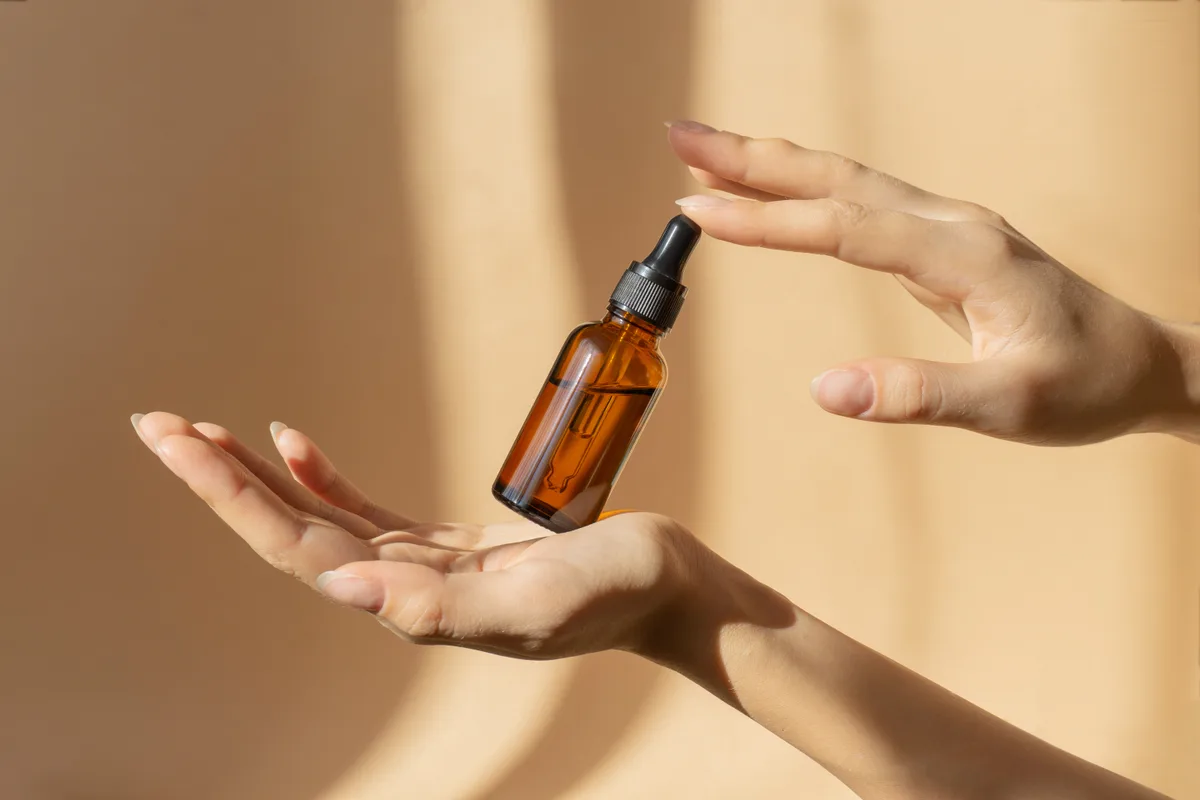
Argan oil is pressed from the kernel of the argan tree, native to Morocco's Souss Valley and traditionally hand-extracted by local cooperatives — a genuinely dual-purpose oil, roasted for culinary use and unroasted for cosmetic use, and one of the more recognizable names on any oils shelf. Levant Direct sources Argan Oil wholesale from El Captain (Cap Pharm) of Cairo, quoted by the case on a written quotation.
This guide covers argan's dual culinary-and-cosmetic tradition, how to confirm which grade you need, and how case-based ordering works.
Argan oil's dual tradition: culinary and cosmetic
In Morocco, argan oil has two distinct traditions that use different grades of the same nut. Roasted argan kernels press into a darker, nuttier oil used in cooking — drizzled over dishes or blended into amlou, a traditional almond-and-argan spread. Unroasted kernels press into a lighter oil used cosmetically on hair and skin, which is the tradition our range serves.
It's worth confirming with your supplier which grade you're buying and for which use, since the two aren't interchangeable — a cosmetic-grade oil isn't produced or handled the same way as a food-grade one, and buyers sourcing for a kitchen application should ask specifically about food-grade certification as part of their inquiry.
Traditional argan pressing in Morocco is closely tied to women's cooperatives in and around the Souss Valley, a production model that's become part of the oil's story internationally as much as its scarcity has. That history is worth telling honestly on a shelf card or product description — it's genuinely part of how argan oil reached the global market, not a claim about the specific bottle you're selling unless you can verify the supply chain in question.
Storage and shelf handling
Argan oil oxidizes more readily than some of the heavier oils in the range, so it benefits from being stored cool, capped tightly, and kept out of direct light — both in your own stockroom and on a retail shelf, where a sunny display window can shorten shelf life noticeably over a season. Because it's typically ordered in smaller volumes than anchor oils like castor or sweet almond, rotating stock is usually straightforward, but it's still worth checking dates on any carried-over inventory before reordering.
Buying argan oil wholesale: format and ordering
Argan oil is quoted and cased like the rest of our natural oils range — there's no fixed bottle size published online, since format is confirmed against the volume you need on the quotation. Because argan carries a premium reputation, it's often ordered in smaller volumes relative to anchor oils like castor or sweet almond, but the same case-based mechanics apply.
How inquiry ordering works covers the process, and samples can be requested before you commit to a case quantity.
Merchandising argan oil at retail
Argan's premium reputation means it typically sells best on smaller, well-presented facings rather than deep case stacks — a boutique or gift-retail display with two or three complementary oils tends to outperform a shelf that treats argan the same way as a high-volume anchor oil like castor. It's a strong candidate for a gift set alongside Aleppo soap or a fragrance-led oil, where the Moroccan origin story does real work in the sell.
Seasonal gifting windows — Ramadan and Eid in particular for many of our retail customers — are a natural time to feature argan prominently, since gift-set shopping tends to reward a recognizable, story-rich product over an unfamiliar one.
Selling argan oil without medical claims
Argan is one of the more heavily marketed oils on the global cosmetics shelf, which makes disciplined, claims-free language especially important. Cosmetics fall under Health Canada's Food and Drugs Act and Cosmetic Regulations; language implying a specific skin or hair outcome carries real regulatory implications and moves a product into a differently regulated category. This is general guidance, not legal advice — confirm specific wording with Health Canada before printing.
'Argan oil, hand-extracted in Morocco's Souss Valley and used traditionally in Moroccan hair and skin care' is accurate, tells the origin story honestly, and doesn't need a claim to sell.
Where argan fits in a wider oils order
Argan pairs naturally with the range's other premium carrier oils — sweet almond and jojoba — in a spa, salon or boutique retail assortment. See natural and herbal oils wholesale in Canada for how the full 73-oil range breaks down for retail planning, and the natural oils glossary for the less familiar bottles in the same range.
Related questions
Is your argan oil food-grade or cosmetic-grade?
It's supplied for cosmetic hair-and-skin use as part of our natural oils range. If you need a food-grade oil for a culinary application, confirm that specifically in your inquiry, since the two grades are produced and handled differently.
Why is argan oil sometimes called 'liquid gold'?
It's a nickname tied to its traditional hand-extraction process and premium reputation, not a claim about what it does. We'd describe it plainly on a shelf: traditionally hand-extracted in Morocco's Souss Valley, used in both cooking and cosmetic care.
Can I claim argan oil improves hair or skin?
No — avoid any language suggesting a specific outcome. Keep descriptions to origin, extraction and traditional use, and confirm borderline wording with Health Canada.
Where is your argan oil supplied from?
Through El Captain (Cap Pharm) of Cairo, part of the same 73-oil range that supplies the rest of our natural oils catalogue.