Soap & Natural Care
Fenugreek to watercress: a natural oils glossary
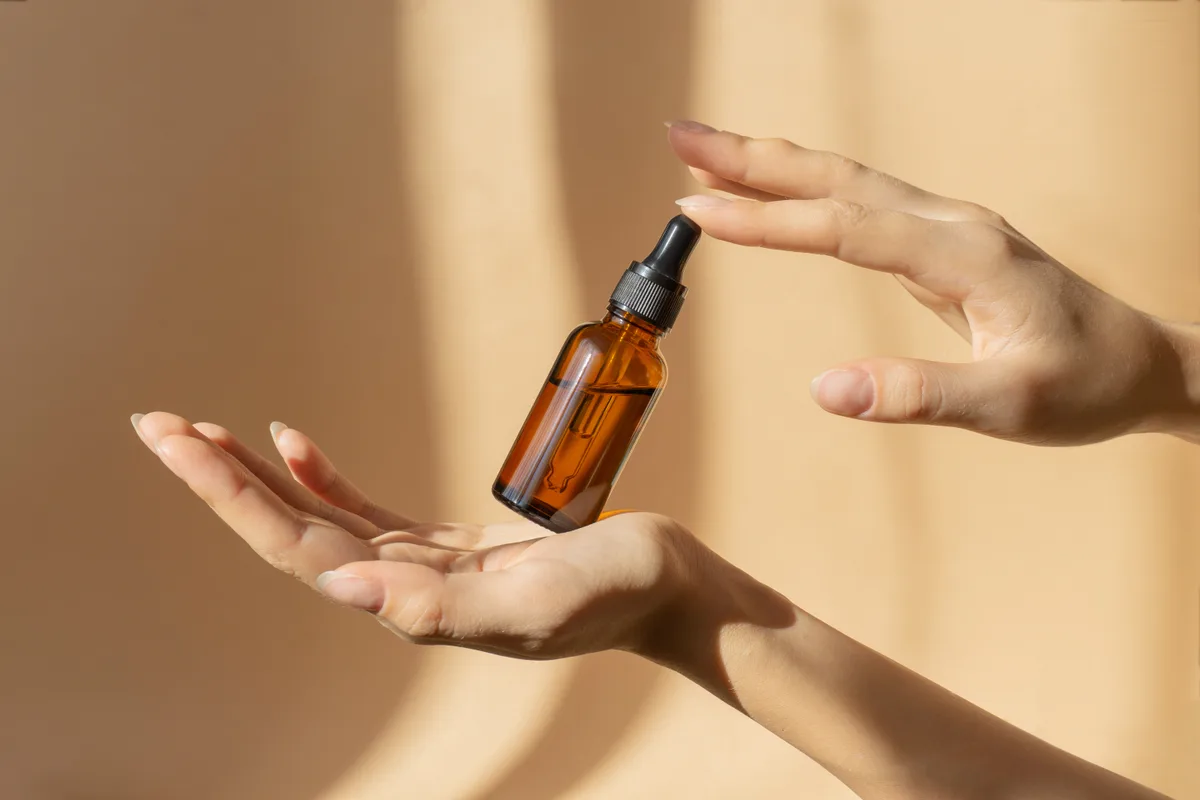
This glossary covers the traditional seed and herb oils in our El Captain range that buyers ask about most but often can't picture — fenugreek, fennel, watercress, pumpkin seed, peppermint, thyme and a handful of others — with the tradition behind each one and not a health claim in sight.
Every oil here comes from El Captain (Cap Pharm) of Cairo, part of a 73-oil range covered more broadly in natural and herbal oils wholesale in Canada. Use this page as a quick reference when a customer or a buyer asks what a specific bottle actually is.
The glossary: oil, source, traditional role
Ten of the range's less immediately familiar bottles, in plain terms.
| Oil | Pressed from | Traditional role |
|---|---|---|
| Fenugreek oil | Fenugreek seed (hulba) | A traditional dressing-table oil in Levantine and Egyptian hair-care routines |
| Fennel oil | Fennel seed | Used in traditional aromatic and kitchen-adjacent oil blends |
| Watercress oil | Watercress seed | A traditional herbal addition to Levantine hair-oil blends |
| Pumpkin seed oil | Pumpkin seed | A traditional dressing-table and kitchen-adjacent oil |
| Peppermint oil | Peppermint leaf | Valued traditionally for its scent in personal-care blends |
| Thyme oil | Thyme | Part of the same thyme family familiar from za'atar, in oil form |
| Anise oil | Aniseed | Traditionally used for its warm, familiar scent |
| Dill oil | Dill seed | A traditional kitchen-herb oil |
| Caraway oil | Caraway seed | A traditional spice-family oil |
| Flaxseed (linseed) oil | Flax seed | A traditional dressing-table staple |
| Coriander oil | Coriander seed | A traditional kitchen-herb oil, part of the same family as fresh coriander |
| Ginger oil | Ginger root | Traditionally valued for its warm, sharp scent in blends |
How to read "traditional oil" language
Every entry above is written the same way on purpose: what it's pressed from, and how it's traditionally used — never what it does to the body. That's the safe, correct register for cosmetics in Canada, where health claims on a label carry regulatory implications and move a product into a differently licensed category (Health Canada cosmetics). This is general guidance, not legal advice; confirm specific wording with Health Canada.
Retailers can use this same pattern on their own shelf-talkers: name the seed, name the tradition, describe the use — skip the promise.
Why a glossary matters for buyer confidence
A 73-oil range is a genuine strength, but it can also be overwhelming to a first-time buyer scrolling past dozens of unfamiliar bottles. A short glossary like this one turns that breadth into something a buyer can act on — pick two or three entries that match a shelf concept, confirm the format, and add them to an inquiry, rather than trying to evaluate the whole range at once.
The same approach works at retail. A printed or laminated version of a short glossary card, kept near the oils display, answers the question every unfamiliar bottle raises — 'what is this?' — without needing a staff member free to explain it in person.
Building a shelf from the glossary
These oils group naturally with two other parts of our range: the Herolin hair oils that use several of the same botanicals in finished blends, and the deeper story around a single standout, black seed oil, which merits its own buying guide given how often it's asked about by name. A shelf that pairs a few glossary oils with a finished hair-oil blend and one heritage anchor tends to read as curated rather than simply wide.
The full 73-oil range is listed under natural oils, all quoted the same way — one inquiry, one written quotation, typically within a business day. A reasonable starting point for a new oils shelf is five to eight glossary entries plus one or two heritage anchors, expanded on reorder once sell-through shows which traditions your customers already know and which ones need the shelf-card explanation.
There's no wrong order to build a shelf in. Some retailers start from the kitchen-adjacent oils because they're easiest to explain to a curious customer, others start from the hair-care pairings because they tend to move fastest — either approach works as long as the glossary language stays consistent from the very first bottle through to the fiftieth.
Beyond the glossary: the rest of the range
The ten oils above are a starting reference, not the whole catalogue. Buyers who work through this glossary and want the fuller picture — the dressing-table classics, the floral and aromatic picks, and how the full 73-oil range breaks down for retail planning — should read natural and herbal oils wholesale in Canada alongside this page. Between the two, most questions a first-time oils buyer has are answered before the inquiry is even sent.
Related questions
Are these oils meant for cooking, or for skin and hair?
It depends on the oil and the household — several, like fennel and dill, have culinary roots, while others, like fenugreek and watercress, are more associated with traditional hair care. The listing for each oil describes its traditional use; check that rather than assuming from the seed alone.
Can product descriptions mention specific benefits?
No — keep descriptions to origin, pressing and traditional use. Health claims carry regulatory implications in Canada, so avoid language that implies an oil treats, cures or prevents anything, and confirm any borderline wording with Health Canada first.
Where are these oils made?
All ten, and the wider 73-oil range they belong to, are produced by El Captain (Cap Pharm) of Cairo, Egypt. The producer is named on every listing in our catalogue.