Sourcing & Wholesale
Baharat wholesale in Canada: sourcing the all-purpose Arabic spice blend
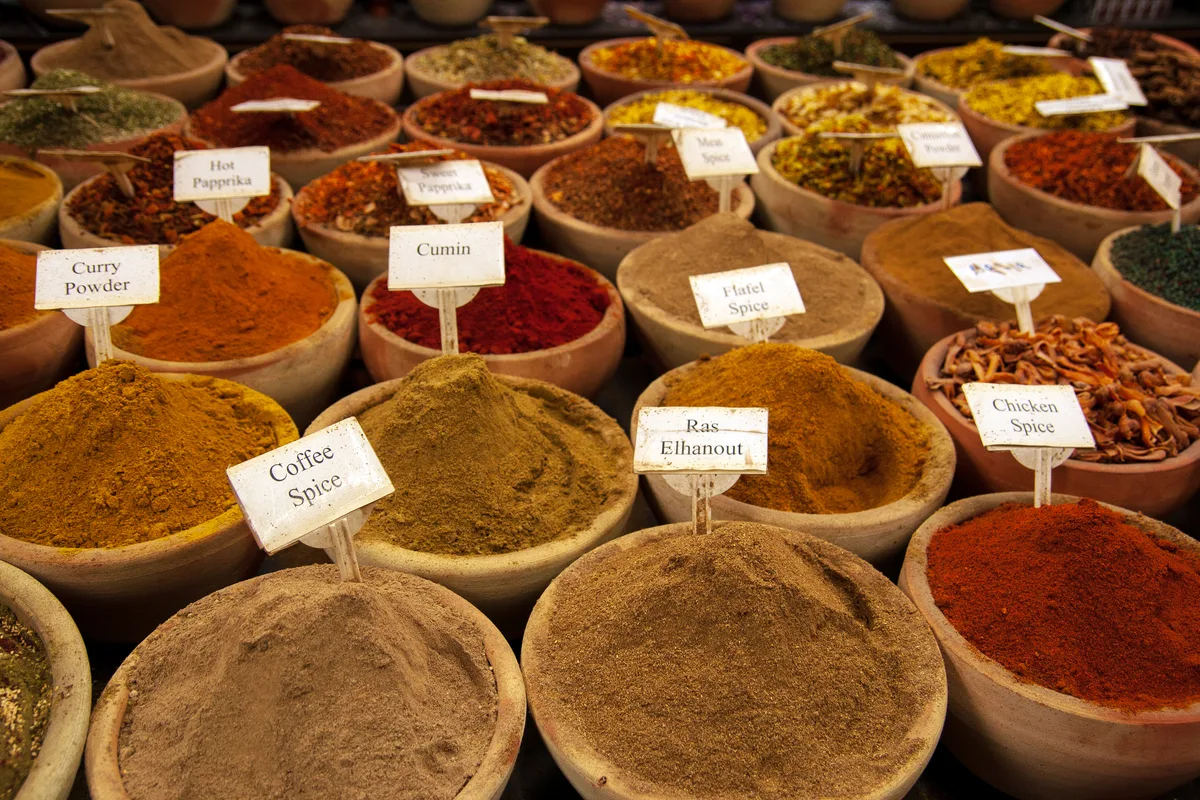
Baharat wholesale in Canada starts with the word itself: baharat is simply Arabic for "spices," used across the trade both generically and for specific all-purpose blends that vary by country and mill. We stock a general-purpose blend as Mixed Spices from AbdulRahim Mills of Jordan, quoted the same way as the rest of the spice range.
This is the commercial, sourcing-focused half of the story — for a full breakdown of what typically goes into a Levantine-style baharat blend, see our companion guide to seven spice (sabaa baharat). This page covers what we stock, who orders it at volume, and how a bulk quotation works.
What "baharat" means, and why the word is broader than one recipe
In everyday Arabic, baharat just means spices — the plural of a single spice. In trade use, it's also shorthand for a country's or a household's own all-purpose blend: Turkish baharat, Gulf baharat and Levantine seven spice (sabaa baharat) are all recognizably related but not identical, built from overlapping warm spices in different ratios. There is no single standardized "baharat" recipe across the region, which is worth knowing before you commit to a case expecting one exact flavour.
For the detailed breakdown of what's commonly in a Levantine-style blend — allspice, black pepper, cinnamon, cloves, coriander, cumin and nutmeg among the usual notes — see Seven Spice (Sabaa Baharat): The Blend Explained, which is the fuller reference this page builds on.
What we stock, and how it compares to kabsa spice
Neither of our related blends is marketed under the name "baharat" specifically or as "seven spice" — they're sold under their own catalogue names, and a pre-blended product matched exactly to either term is available blended to order, sourced on request through our supplier houses if your concept needs that precise label.
| Product | Character | Typical use |
|---|---|---|
| Mixed Spices (AbdulRahim Mills) | General-purpose warm blend | Everyday seasoning across meat, rice and stew dishes |
| Kabsa Spices (AbdulRahim Mills) | Related but rice-dish-specific | Gulf-style rice pots — see our kabsa spice guide |
Who orders baharat-family blends at volume
Restaurants and caterers running Levantine, Turkish or Gulf menus order a mixed spice blend as a house seasoning workhorse — the jar reached for when a dish needs warmth and roundness rather than one dominant spice. Grocers stock it as a recognizable shelf item for any customer base cooking from an Arabic pantry, and spice blenders buy it as a base to build private house blends against. A kitchen running both a general seasoning and a rice-dish program often stocks Mixed Spices alongside Kabsa Spices rather than trying to make one blend do both jobs.
For a grocer stocking a Middle Eastern pantry section, baharat-family blends are a shelf anchor rather than a niche item — the general-purpose seasoning that a customer building out a full spice section reaches for after the essentials like sumac and za'atar are already in the basket. It's worth giving it visible facing alongside those staples rather than filing it deeper in the aisle.
Judging a baharat blend before you commit
Because baharat-family blends are mixed rather than milled from a single spice, freshness signals are the same as for any pre-mixed seasoning: a colour that still reads warm and vivid rather than dusty, and an aroma that comes through the bag before it's even opened. A blend that smells muted has usually been sitting too long between milling and shelf.
It's also worth asking any supplier how the ratio is set — a house recipe fixed by the mill, or a looser mix that can vary batch to batch — especially if the blend is going into a menu item where a customer expects the same flavour every visit.
Sourcing it by inquiry
Add Mixed Spices, Kabsa Spices, or both to an inquiry alongside the rest of the spice range — quantities are set on the quotation rather than a published price list, and mixed inquiries quote better than single-line ones. One written quotation comes back covering every line, typically within a business day, and asking commits you to nothing. If your concept needs an exact ratio matched to a specific baharat or seven-spice recipe, note it in your inquiry and we'll confirm what's available.
Related questions
Is baharat the same as seven spice?
They're closely related. Baharat is the broader Arabic word for spices or a spice blend generally; "seven spice" (sabaa baharat) refers to a specific Levantine version of that idea. See our seven spice guide for the blend itself.
How is baharat different from kabsa spice?
Kabsa spice is mixed specifically for Gulf rice dishes; baharat-family blends like our Mixed Spices are general-purpose seasonings used more broadly across meat, rice and stew cooking. Many kitchens stock both.
Can I get baharat matched to a specific recipe or ratio?
Yes — note the ratio or the regional style you need in your inquiry. It's available blended to order, sourced on request through our supplier houses if it's not an exact match to a stocked product.
How do I know a baharat blend is fresh?
Check colour and aroma — a vivid rather than dusty appearance and a warm smell through the packaging both signal recent milling. A flat or faint aroma usually means the blend has been sitting too long before reaching the shelf.