Sourcing & Wholesale
Kabsa spice wholesale: sourcing the Gulf rice-dish blend by the case
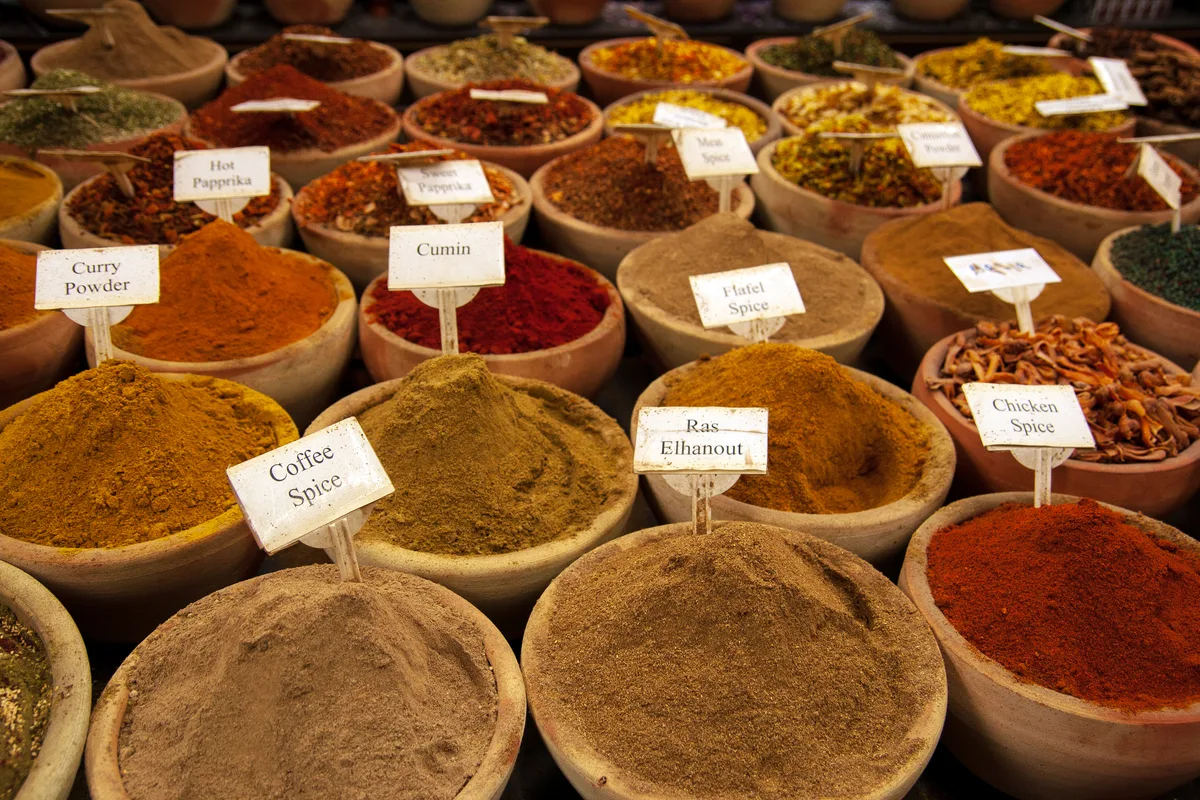
Kabsa spice wholesale means sourcing the warm, rice-forward spice blend behind kabsa and similar Gulf rice dishes — cardamom, cinnamon, cloves, black pepper and dried lime among its common notes, milled and mixed rather than built from a single dominant spice. We stock it as Kabsa Spices from AbdulRahim Mills of Jordan, quoted the same way as the rest of the range.
This guide covers what's commonly in the blend, how it compares to baharat and seven spice, who orders it at volume, and how a bulk quotation works.
What's commonly in a kabsa spice blend
Recipes and trade descriptions for kabsa spice commonly cite cardamom, cinnamon, cloves, black pepper and dried lime (loomi) as core notes, with turmeric or saffron sometimes added for colour depending on the household or the mill. Like most regional blends, there's no single audited recipe — the name describes a rice-dish tradition more than a fixed spice list, and mills vary their exact ratio.
What holds across most versions is the character: warm and aromatic rather than hot, built to season rice and meat cooked together in one pot rather than to stand out as a single strong flavour.
Kabsa spice vs baharat vs seven spice — related, not identical
Kabsa spice sits in the same family as baharat and Levantine seven spice — warm, everyday blends built from overlapping spices — but it's mixed to its own ratio for rice-forward Gulf dishes specifically, rather than the more general-purpose role baharat and seven spice play across a wider range of dishes. A kitchen serving both Gulf and Levantine menus often stocks kabsa spice alongside Mixed Spices rather than substituting one for the other.
The practical difference shows up at the pot: a Levantine kitchen might reach for seven spice on kibbeh or a stew, while a Gulf kitchen builds a rice dish — kabsa, mandi, majboos and their regional relatives — specifically around the kabsa blend, often with a piece of loomi simmered in alongside it. Neither blend is a substitute for the other, even though a first-time buyer new to the category sometimes assumes they're interchangeable.
Who orders kabsa spice at volume
Restaurant kitchens tend to buy kabsa spice in kitchen-rotation packs sized to weekly or biweekly service, since a rice-forward menu runs through it steadily rather than occasionally. Caterers planning for a wedding or a large banquet order well ahead of the event, in a single larger quantity that covers the whole booking, which is worth flagging in the inquiry so the quotation and lead time reflect the actual event date rather than a standard restock.
| Buyer | Typical use |
|---|---|
| Gulf, Yemeni and Saudi restaurants | The house rice blend for kabsa, mandi and similar dishes |
| Caterers running rice-forward menus | Large-batch rice pots for banquets and events |
| Grocers serving Gulf and Yemeni communities | A recognizable, high-turn spice-wall item |
Judging quality before a bulk order
Colour and aroma are the fastest quality checks on any pre-mixed spice blend: a kabsa spice that still looks vivid rather than dusty brown, and that gives off a warm, layered aroma the moment the bag is opened, has been milled and packed recently. A blend that smells faint or flat through the packaging has likely sat too long in a warehouse before reaching the shelf.
Because kabsa spice is a mix rather than a single spice, consistency lot to lot matters more than it does for something like whole cardamom — ask any supplier whether the ratio is fixed by recipe or varies batch to batch, especially if you're building a menu item that needs to taste the same every time it's served.
Sourcing it by inquiry
Kabsa spice ships as a packed dry good, quantities set on the quotation rather than a published price list. Add it to an inquiry alongside loomi or the wider spice range — kitchens building a full Gulf-menu pantry usually order both on the same list — and one written quotation comes back, typically within a business day. Asking commits you to nothing.
For a caterer with a fixed event date, note the date in the inquiry so the lead time on the quotation lines up with when the order actually needs to arrive, rather than defaulting to standard restock timing.
Related questions
What's in kabsa spice?
Commonly cardamom, cinnamon, cloves, black pepper and dried lime, sometimes with turmeric or saffron for colour. Exact ratios vary by mill and household, since it's a tradition rather than a fixed recipe.
Is kabsa spice the same as baharat?
Related but not identical. Both are warm, everyday Arabic spice blends, but kabsa spice is mixed specifically for rice-forward Gulf dishes, while baharat is the broader term covering more general-purpose blends like Levantine seven spice — see our baharat wholesale guide for that side.
Can I order kabsa spice with other pantry items in one inquiry?
Yes — most buyers add it to a wider spice inquiry rather than ordering it alone, which consolidates the quotation and the delivery.
How can I tell if a kabsa spice blend is fresh?
Check colour and aroma first — a vivid rather than dusty appearance and a warm, layered smell through the packaging both signal recent milling. A faint or flat aroma usually means the blend has sat too long before reaching the shelf.