For Grocers & Retailers
The breadstick shelf: how Levantine snacks earn their place at retail
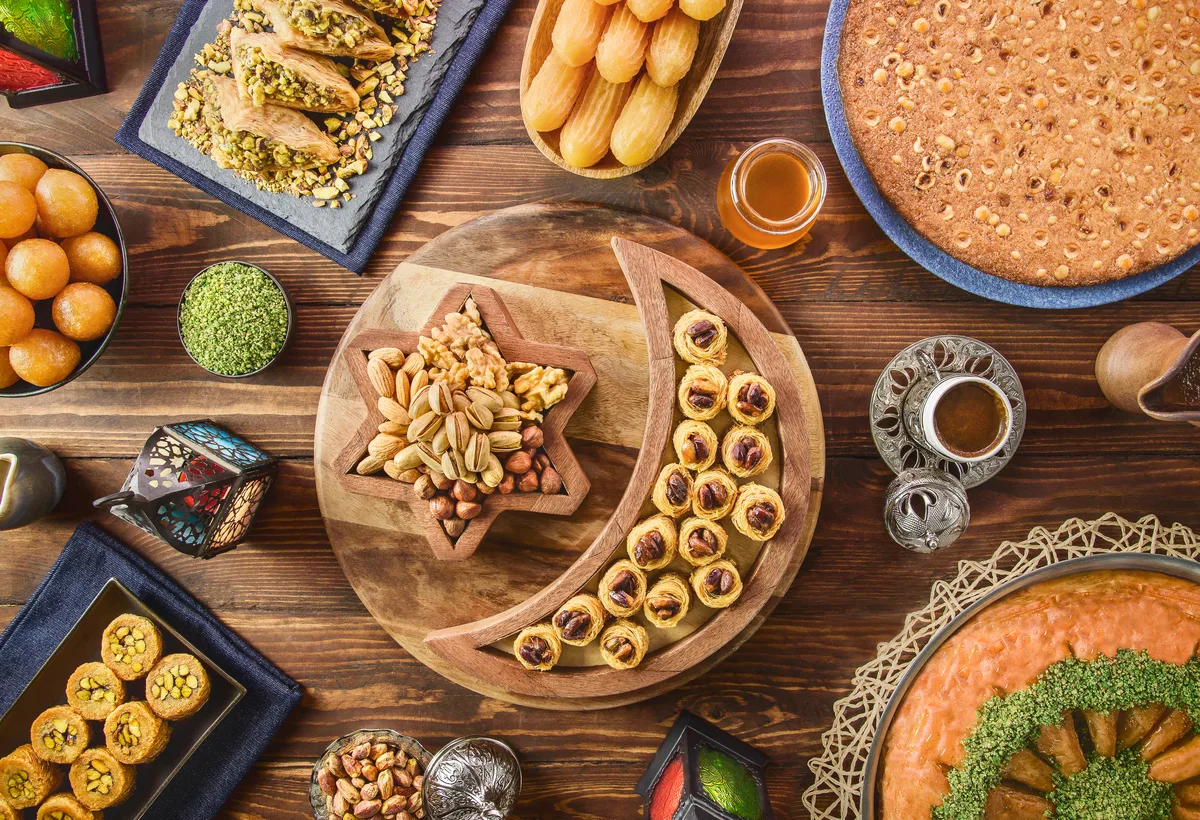
Levantine breadsticks are crisp, twice-baked sticks — plain or rolled in sesame, anise, nigella or thyme — eaten with morning coffee, afternoon tea and everything in between. They are the snack aisle's quiet workhorse: shelf-stable, familiar to every household from Damascus to Amman, and neutral enough to cross over onto Canadian cheese boards. We stock the full range from Hamdan for Foods, a Damascus-origin house now baking in Jordan, carton by carton.
This guide covers what the products are, the seven varieties and where each one sells, the cross-merchandising that moves them, and the allergen labelling a retailer should have in order before the shelf goes up.
What Levantine breadsticks are — and why they move
A Levantine breadstick is baked lean and dried crisp, closer to a rusk than to a soft Italian grissino: it keeps for months, snaps cleanly, and carries its seeds and spices on the surface, where you taste them first. In Levantine homes the sticks live in the tin next to the kettle — the default offering when guests arrive, and the standing companion to coffee.
For a retailer that profile translates into low-risk stock: long dates, no refrigeration, and a repeat purchase that behaves like biscuits rather than bread. The cartons also merchandise well face-out, which matters on a shelf meant to signal an authentic range rather than a token SKU.
The Hamdan range, carton by carton
The core four cover most stores: classic for the plain-and-butter crowd, sesame as the biggest seller of the style, thyme for the za'atar-inclined, and anis for the traditional sweet-spiced stick beside the teacup.
Beyond those, nigella sativa — black seed — is the connoisseur's variety, bran brings a hearty, darker character, and the sesame-rich balaha rounds out a full facing. Everything arrives by the carton, ready for shelf or basket display.
| Variety | Surface | Shelf role |
|---|---|---|
| Classic | Plain | Entry point; the butter-and-jam pairing |
| Sesame | Toasted sesame | The style's bestseller and safest first order |
| Thyme | Dried thyme | Savoury snackers and za'atar loyalists |
| Anis | Anise seed | The traditional stick beside tea and coffee |
| Nigella Sativa | Black seed | Distinctive and aromatic; the connoisseur pick |
| Bran | Bran-enriched dough | Hearty, darker character for the health-minded shopper |
| Balaha | Heavy sesame | Sesame loyalists; rounds out a full facing |
Cross-merchandising: cheese boards, tea time and the coffee shelf
The fastest-growing use is off-script: breadsticks as the crunch element on cheese and mezze boards, where the sesame and nigella varieties stand in for crackers — the pairing logic is laid out in breadsticks on cheese boards. A small stack beside the deli or cheese case sells jars and sticks together, the same adjacency thinking behind our Levantine cheese-pairing shelf.
The traditional adjacency still matters most: breadsticks belong beside cardamom coffee and the herb-tea rack, because that is how they are eaten at home. One end-cap holding coffee, tea herbs and breadsticks reads as a complete Levantine morning, and each line pulls the others through the till.
Allergens and labelling, before the shelf goes up
Sesame is one of Canada's priority food allergens, as Food Allergy Canada documents, and most of this range either carries sesame or shares a bakery with it. Make sure imported cartons carry compliant Canadian labelling — allergen statements included — before product reaches the shelf, and keep varieties clearly separated on their facings so a sesame-avoiding shopper is never guessing.
This is general guidance rather than legal advice: labelling requirements for imported food are set federally, so confirm the specifics with the CFIA or your compliance advisor. Our plain-language guide to Canadian labels on imported food walks through what must appear on a retail pack.
Related questions
Which breadstick varieties should a store stock first?
Start with sesame and classic — the two widest sellers — then add thyme and anis for the traditional shopper. Nigella, bran and balaha complete the set once the facing has proven itself.
How long do Levantine breadsticks keep?
They are baked dry and shelf-stable for months unopened; check each carton's best-before date. Keep stock cool and dry, rotate first-in, first-out, and they behave like biscuits rather than bread.
Do breadsticks work on a cheese program?
Very well. The sesame and nigella varieties replace crackers on boards, hold up to firm cheeses and dips without snapping into crumbs, and give a cheese case a Levantine accent with a single SKU.
How should breadsticks be displayed to sell as a snack rather than a bakery item?
Off the bread wall. Breadsticks earn their keep next to cheese, olives and coffee — the occasions they're actually eaten with. A carton split between the deli counter and the herbal tea and coffee shelf usually outsells the same carton shelved with sliced bread, because shoppers meet them at the moment of use rather than in a category they already have covered.