For Restaurants & Cafés
Butcher shop spice blends wholesale: the shawerma and meat seasoning line, sourced right
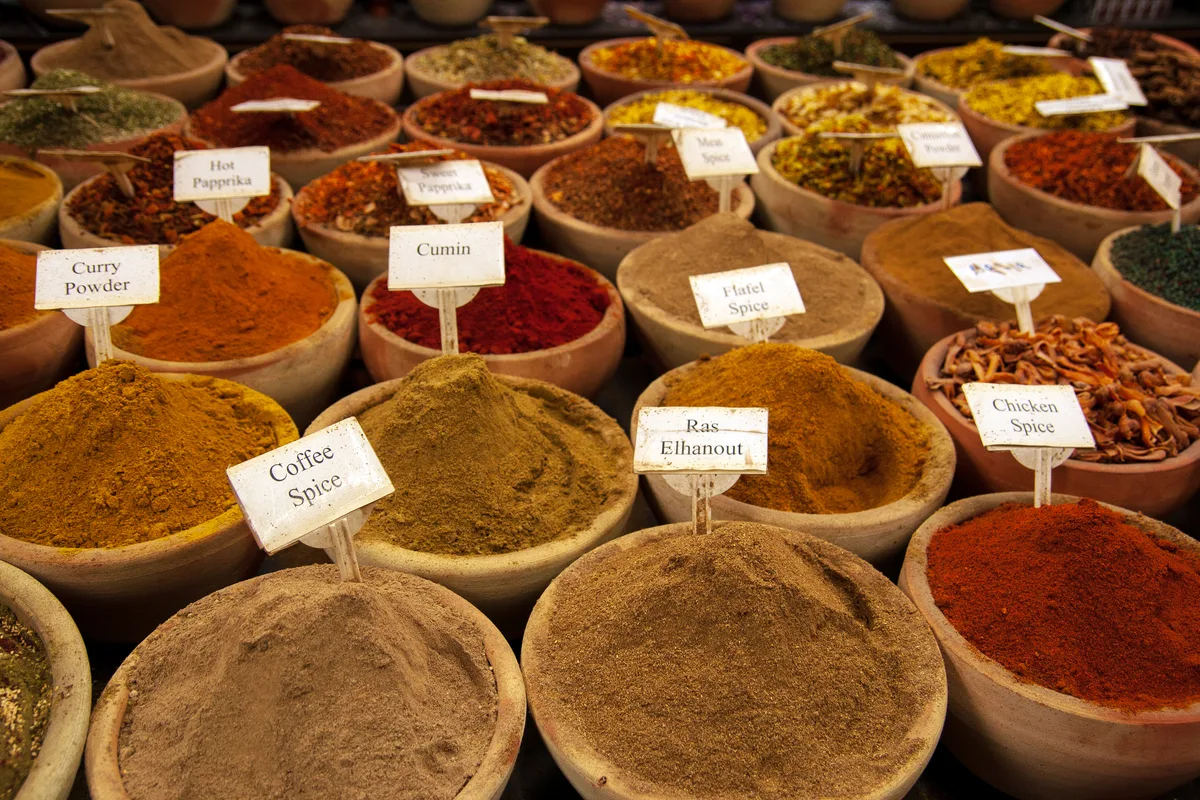
Levant Direct supplies the seasoning side of a butcher shop's counter, not the meat itself — we're a dry-goods and pantry importer, so meat sourcing stays with your regular protein supplier. What we bring is the spice-blend line: chicken and beef shawerma spices, a general-purpose meat spice, and the wider Levantine spice rack that butchers pull from for marinades, pre-seasoned cuts and kofta mixes.
This page sets out exactly what's in that line, what it's used for, and how a butcher shop or meat-forward kitchen orders it by the case.
What we supply, and what we don't
Being direct about this matters: we don't sell fresh, frozen or processed meat, and we won't pretend otherwise. What we sell is what goes on the meat before it's cooked or sold — spice blends milled by AbdulRahim Mills, a family mill in Amman with roots in Jaffa, packed for foodservice and retail volumes. A butcher shop or shawarma operation typically already has a meat supplier; we're the pantry side of that same counter, and we treat that as a complementary relationship rather than something we're trying to replace.
That narrower lane also means we're not the place to ask about the protein itself — sourcing, cut specifications, or the halal status of the meat all sit with your existing supplier. What we can speak to with full confidence is the ingredient list and origin of the spices on this page.
The core shawerma and meat spice blends we stock
The two most-ordered lines are the shawerma-specific blends, formulated separately for the two proteins rather than sold as one generic mix. Splitting the blend by protein rather than selling one all-purpose shawerma spice reflects how the two meats actually behave on the spit: chicken takes on flavour differently than beef, cooks faster, and benefits from a lighter hand with the heavier spices that suit a longer-cooked cut of red meat.
- Chicken shawerma spices — a lighter, more citrus-and-turmeric-forward blend suited to poultry.
- Beef shawerma spices — a heavier, more baharat-forward blend built for red meat.
- Meat spices — a general-purpose seasoning for cuts and grinds outside the shawerma-specific blends.
Rounding out the seasoning rack
Most butcher shops and shawerma kitchens don't stop at the named blends. Sumac and lumi (dried lime) are common finishing and marinade components, mixed spices (baharat) covers the broader seven-spice territory used across kofta and grilled meats, and garlic powder and paprika round out most house marinade recipes. Buyers building a full rub or marinade program often stock five or six of these in parallel and blend their own house recipe rather than relying on a single pre-mixed spice for everything on the counter.
For the full breakdown of how chicken and beef shawerma spice actually differ in a working kitchen, see our shawarma spice blends guide, which covers ratios, application and the flavour logic behind the two formulations in more depth than fits on this page.
Case formats and ordering
Butcher shops and high-volume kitchens typically order these in bulk bag formats rather than small retail jars — exact bag sizes, case counts and any private-label packing are confirmed on your written quotation. Bundling the shawerma blends with the wider spice rack into one inquiry tends to quote faster than ordering each line separately, and it consolidates delivery to a single drop rather than several partial shipments.
For general guidance on keeping a spice program organized once it's in your kitchen — storage, rotation, avoiding the common mistake of over-ordering a slow-moving blend — see our restaurant spice program guide. And if halal supply is part of your requirement alongside the seasoning, our halal butcher supplies page covers how we handle certification on the dry-goods side.
Bulk bags vs retail jars: why the format matters
A butcher shop seasoning a full day's cuts uses a spice blend at a rate that makes retail-sized jars impractical — repeatedly opening small jars mid-shift slows prep and wastes packaging. Bulk bag formats are built for that volume: fewer openings, less packaging waste per kilogram, and a per-unit cost structure that reflects the larger pack size rather than the convenience premium built into a retail jar.
That said, not every operation needs the largest bag available on day one. A shop just adding a shawerma line to its counter for the first time might reasonably start with a smaller bulk format and step up once it has a clearer read on how quickly the blend actually moves — send us your expected weekly volume on the inquiry and we can help point you toward a sensible starting size rather than the largest format by default.
Related questions
Do you supply meat to butcher shops?
No. We supply the dry-goods side — spice blends and pantry ingredients. Meat sourcing stays with your regular protein supplier; we're not in that lane.
What's the difference between chicken and beef shawerma spice?
Chicken shawerma spice is generally lighter and more citrus-and-turmeric-forward; beef shawerma spice leans heavier and more baharat-forward, built for red meat. See our shawarma spice blends guide for the full comparison.
Are the spice blends halal-suitable?
Halal certification, where it applies, is stated per product on your quotation — we don't make blanket halal claims across the catalogue. Ask about the specific blends you need and we'll confirm what's documented.
What bag sizes are available for a butcher shop's volume?
Bag and case sizes vary by product; bulk formats suited to butcher-shop volume are confirmed on your quotation along with any private-label requirements.