For Restaurants & Cafés
Halal butcher supplies wholesale: the dry-goods half of the counter, sourced right
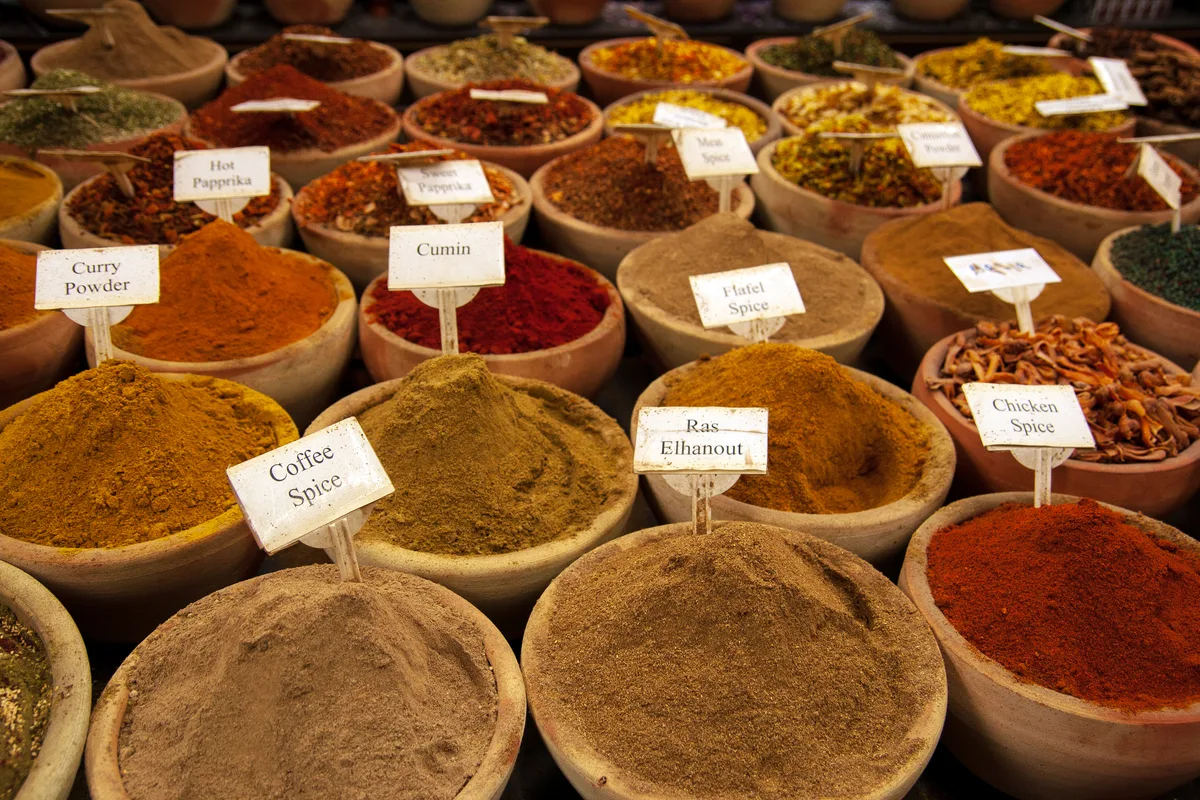
Search for 'halal butcher supplies wholesale' and most results are meat and protein suppliers — for good reason, since the meat itself is where the halal question is most consequential. Levant Direct isn't that supplier: we don't sell meat. What we supply is the other half of the counter — the spice blends, seasoning mixes and pantry dry goods a halal butcher shop uses to marinate, season and finish its cuts.
This page is deliberately narrow about what we are: a dry-goods and pantry importer, useful alongside your actual meat supplier, not a replacement for one. It covers what we stock, how halal claims are handled honestly on the products we do sell, and how to order the seasoning side of a butcher shop's counter.
Why we're the non-meat half of this search
A halal butcher shop's core sourcing decision — where the meat itself comes from, how it's slaughtered, and who certifies it — sits entirely outside what a dry-goods importer like us can speak to. We won't claim otherwise, and any supplier that offers a blanket 'halal' answer without pointing you to that documentation should be treated with the same caution.
What we can genuinely help with is everything that touches the meat before it reaches the customer: seasoning blends, marinade spices, and the wider pantry a butcher shop stocks around the counter, from AbdulRahim Mills, the Amman-based spice house behind our spice range. That's a real, useful supply relationship even though it's narrower than a one-stop meat-and-seasoning account.
How we handle halal claims on what we do sell
'Halal-suitable' is the framing we use, and it's a narrower claim than 'certified halal': it means a product's ingredient profile doesn't obviously conflict with halal requirements, not that it carries a certificate. Where formal halal certification exists for a specific product, it's stated on that product's quotation — we don't extend a certification across the catalogue or assume it applies to a whole category just because one product carries it.
If a certificate matters to your operation, ask, and we'll tell you plainly what documentation is and isn't available for the specific items on your list. We'd rather give a precise, honest answer about one product than a comforting but vague answer about the whole catalogue — that distinction matters more for a butcher shop's spice program than for almost any other category we sell into.
The spice and seasoning line for a butcher shop counter
Most halal butcher shops draw from the same core set: chicken and beef shawerma spices for rotisserie and grill prep, a general meat spice for cuts outside the shawerma line, and finishing components like sumac, lumi (dried lime) and mixed spices (baharat) for marinades and kofta.
Beyond spices, citric acid shows up in some marinade and preservation recipes, and the wider spices category covers everything from garlic and onion powder to paprika for house rubs. For the full detail on the two named shawerma blends specifically, see our butcher shop spice blends wholesale page.
Ordering as a halal butcher shop
Butcher shops typically order these in bulk bag formats rather than small retail jars. Bag sizes, case counts and any private-label packing are confirmed on your written quotation. Bundling the full seasoning list into one inquiry — shawerma blends, finishing spices, marinade components — tends to quote faster than several single-product requests, since the case counts and delivery point are settled together rather than negotiated order by order.
For the broader picture of stocking a halal grocery or foodservice program in the GTA, including how halal certification actually works in Canada, see our halal grocery wholesale guide and our halal certification explainer.
A note on working with two suppliers instead of one
Some butcher shops would rather have a single supplier cover meat and seasoning together, and that's a reasonable preference — it's just not what we do. In practice, most established halal butcher shops already run two supplier relationships anyway: one for the protein, one for everything dry that goes around it, whether that's packaging, cleaning supplies or seasoning. Adding us as the seasoning side of that split doesn't change the meat-sourcing relationship you already trust; it just gives that dry-goods half a Levantine spice house behind it rather than a generic foodservice distributor's house blend, sourced from a mill with real regional heritage rather than a private-label commodity mix.
A new butcher shop opening its doors for the first time can order both suppliers in parallel from day one — there's no reason to wait on the seasoning side until the meat program is fully settled, since a written quotation for spices costs nothing to request and commits you to nothing while you finalize the rest of your sourcing.
Related questions
Do you sell halal meat to butcher shops?
No. We don't sell meat at all — we supply the spice blends and pantry dry goods a butcher shop uses around the meat. Meat sourcing and certification stay with your protein supplier.
Is everything in your catalogue halal certified?
No, and we won't claim that. Where formal certification exists for a specific product, it's stated on that product's quotation. We use 'halal-suitable' language for general fit and never extend a certification across the catalogue.
How do I confirm halal status for a specific spice blend?
Ask on your inquiry. We'll tell you honestly what documentation is available for that specific product rather than giving a blanket answer for the category.
What bag sizes do you offer for butcher-shop volume?
Bulk bag and case formats suited to butcher-shop volume are confirmed on your quotation, along with any private-label packing requirements.