Sourcing & Wholesale
Cinnamon sticks wholesale in Canada: sticks, cassia, and ground, explained
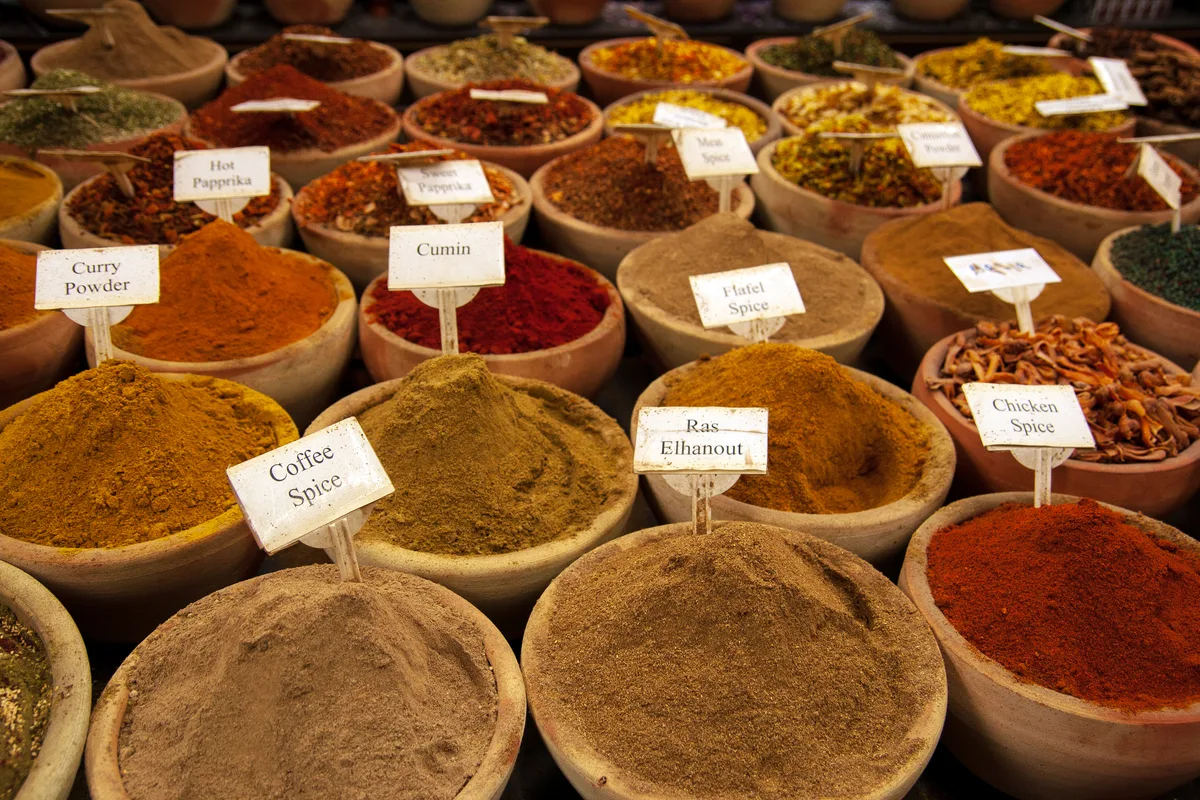
Cinnamon sticks wholesale in Canada usually means choosing between three related but distinct products: cinnamon sticks for steeping and mulling, cassia for stronger baking flavour, and ground cinnamon for fast incorporation into batters and blends. We stock all three from AbdulRahim Mills: Cinnamon sticks, Cassia and Ground Cinnamon, quoted by inquiry with one written quotation covering every line you add.
The word 'cinnamon' covers more ground in the spice trade than most buyers realize, and labelling conventions vary between mills and regions — which is exactly why we list cinnamon sticks and cassia as separate products rather than folding one into the other. This guide covers the practical difference, where each earns its place, and how to buy them properly.
Cinnamon sticks, cassia and ground: what the difference actually is
In the international spice trade, 'true' or Ceylon cinnamon and cassia are botanically distinct — Ceylon cinnamon sticks are made of many thin, papery layers rolled together, while cassia bark is thicker, harder and rolls as a single or double curl. Cassia is generally the stronger, more pungent of the two and is what most North American kitchens grew up calling simply 'cinnamon,' since it's the more widely traded and more affordable of the pair.
Because labelling conventions differ between mills, we sell our whole-stick line under the name it's supplied to us as — Cinnamon sticks — alongside a separately named Cassia line, so buyers can choose deliberately rather than guess. If a species-level specification matters to your program, ask on your inquiry and we'll confirm what the current lot is before you commit to a bulk order.
Where cinnamon and cassia earn their place in a kitchen
Whole sticks are the standard for mulled drinks, spiced teas, rice dishes cooked with whole aromatics, and any application where you want the flavour to infuse and then be removed — a stick pulled from a pot at the end of cooking is far easier than picking out ground spice. Whole sticks also do quiet double duty as a garnish, propped in a mug of Arabic coffee or spiced tea for presentation.
Ground cinnamon is the workhorse for baking — maamoul, spiced cookies, dessert dusting and the cinnamon note in several Levantine spice blends all call for it pre-ground, since grinding a stick to order isn't practical at bakery volume. Bakeries building a wider Levantine ingredient list typically stock ground cinnamon alongside cardamom, mahlab and allspice as a standing set.
Retailers see a similar seasonal split: whole sticks move heavily around the colder months as a mulling-drink and gift-basket item, while ground cinnamon sells steadily year-round to home bakers and to customers of Levantine, South Asian and North African backgrounds who use it in savoury cooking as much as sweet. A spice shelf that carries all three formats covers both customer habits without forcing a choice.
Formats: sticks, cassia and ground compared
Each format suits a different job in the kitchen; most buyers who use cinnamon regularly end up stocking more than one.
| Format | Best for | Watch-outs |
|---|---|---|
| Cinnamon sticks (whole) | Mulled drinks, infusions, rice and stewed dishes, garnish | Ask on your inquiry if a species-level specification matters to your program |
| Cassia (whole) | Stronger baking flavour, mulling, kitchens wanting a bolder note | Sold as its own line — a distinct product from cinnamon sticks, not a synonym |
| Ground cinnamon | Baking, dessert dusting, spice blends, high-volume kitchens | Buy quantities you'll turn over within a few months for the best aroma |
How to source it from us
Cinnamon sticks, cassia and ground cinnamon all follow the same quote-based model as the rest of the catalogue: add whichever line or lines you need to an inquiry list with your quantities, alongside anything else from the spice range, and one written quotation comes back covering every line — typically within a business day. Asking commits you to nothing, and there's no published price list; the quotation is the price document.
Cinnamon and cassia both ship well on the same inquiry as cardamom, cloves and mahlab, since bakeries and cafés building a seasonal or baking-focused order tend to need all four aromatics together. Mixed inquiries across the spice category generally quote and consolidate delivery more efficiently than single-line requests.
Related questions
What's the difference between cinnamon sticks and cassia?
True (Ceylon) cinnamon sticks are made of many thin, papery bark layers rolled together and have a milder, more delicate flavour, while cassia bark is thicker, harder and stronger-tasting — closer to what most North American baking calls 'cinnamon.' We list them as separate products; confirm on your inquiry if a specific type matters to your program.
Which should I use for baklava or maamoul, cinnamon or cassia?
Ground cinnamon is the standard choice for Levantine baking, where its aroma needs to distribute evenly through a dough or filling rather than infuse and be removed. Whole sticks and cassia suit drinks and infusions where the spice is added and then pulled out.
Is there a minimum order for wholesale cinnamon?
Minimums vary by supplier and format. With a quote-based catalogue you state the quantities you want across sticks, cassia or ground, and the quotation reflects them; asking costs nothing and commits you to nothing.
How long do whole cinnamon sticks keep?
Whole sticks are among the more forgiving spices — sealed, cool and out of direct light, they hold their aroma for a long time compared to a ground spice. Ground cinnamon is more sensitive to air and heat, so buy quantities matched to a few months' turnover for the best flavour.