Product Guides
Crushed red pepper in the Levantine kitchen
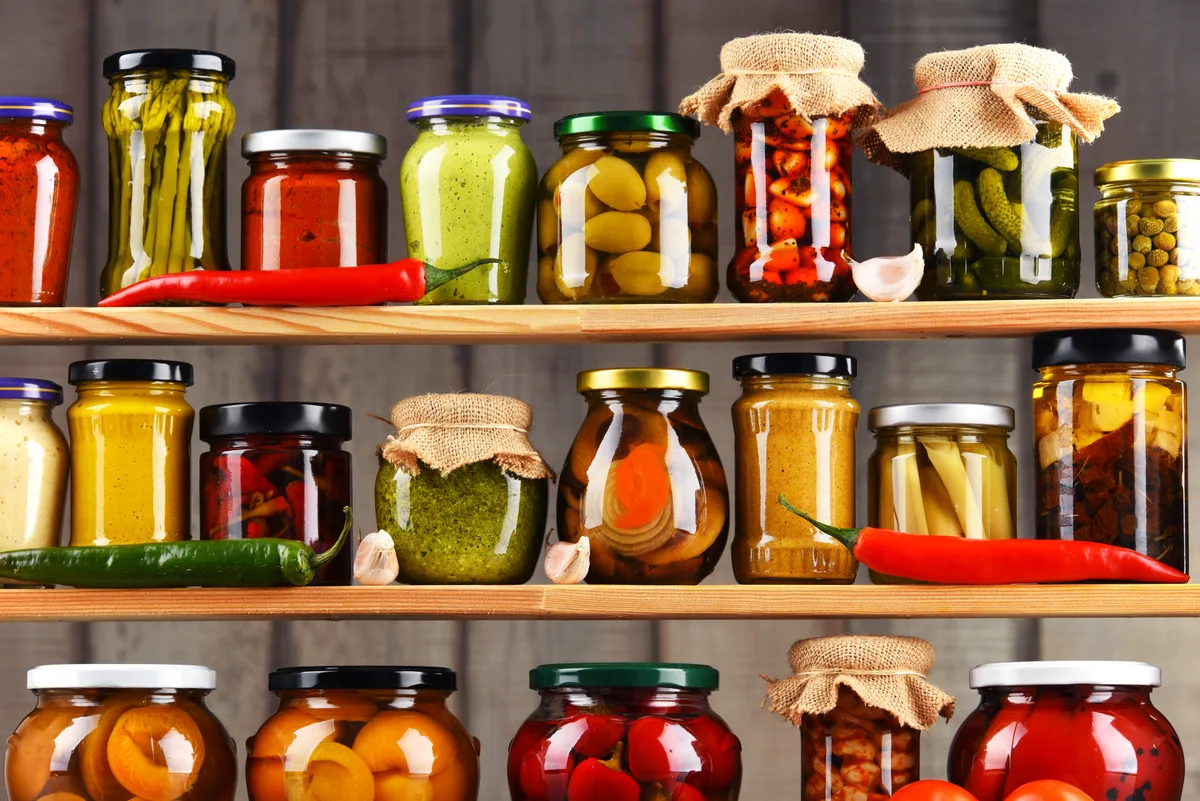
Crushed red pepper shows up in Levantine and Syrian kitchens in two distinct formats: dried flakes sold under various regional names, and thick, jarred pepper preserves used as a ready condiment. Our stocked line — Crushed Red Hot Pepper from Lio Food in Syria — is the second kind: a natural, preservative-free jarred pepper preserve, not a dried flake blend.
This guide covers the broader crushed-red-pepper tradition of the region, what our jarred product actually is and how it's used, and where to find a dried alternative in our range if that's what your kitchen or shelf needs instead.
Two traditions, one loose name
"Crushed red pepper" covers more than one product across the region. Some cooks picture dried flakes, sold under various regional names tied to specific pepper-growing areas of northern Syria and southeastern Türkiye. Others picture a thick, cooked-down pepper paste eaten as a table condiment or stirred into dishes across Syria and the wider Levant — closer in texture to a relish than to a spice-rack flake.
We don't badge our jarred product with any specific protected regional pepper name — it's sold plainly as crushed red hot pepper, product of Syria, and described honestly as what it is: a jarred preserve, not a dried spice. Buyers searching for one format sometimes land on the other, so it's worth knowing which one a recipe or a menu item actually calls for before you order a case.
| Format | Texture | Typical use | What we stock |
|---|---|---|---|
| Dried flakes | Dry, sprinkles like a spice | Shaker-line seasoning, pizza-style finishing | Chilli Pepper, ground |
| Jarred pepper preserve | Thick, spoonable, moist | Condiment, marinade base, dip ingredient | Crushed Red Hot Pepper, Lio Food |
What our Crushed Red Hot Pepper actually is
Lio Food's Crushed Red Hot Pepper is a jarred, natural pepper preserve with no preservatives, origin Syria, packed in 360 g or 635 g glass jars, twelve to a case. In character it reads fruity with moderate heat rather than a sharp burn — closer to the flavour register regional pepper traditions of the area are generally known for than to a generic hot-sauce spike, though heat perception varies batch to batch and palate to palate.
Because it's a preserve rather than a dry flake, it behaves differently in the kitchen: it spoons and spreads rather than sprinkles, and it carries moisture the way a tomato paste or a pepper relish does. Lio Food works out of Latakia on Syria's coast, a region with a long tradition of preserving peppers, tomatoes and other produce in glass rather than drying or canning in tins — the same house behind our tomato paste and artichoke preserves uses the same jarring approach here.
How it's used in the kitchen
Because it's already cooked down and jarred, it behaves more like a pantry condiment than a raw ingredient — most uses are about stirring it in or spreading it on rather than cooking it from scratch. That makes it a fast way to add Levantine pepper flavour to a dish without a separate prep step.
- Stirred into stews and lentil dishes for background heat and colour without adding dry spice.
- Spread thin on flatbread or over a block of cheese as a simple mezze bite.
- Blended into marinades for grilled meats, where its moisture helps the marinade cling.
- Folded into muhammara-style walnut-and-pepper dips, a classic Levantine pairing.
- Added to hummus for a red-pepper variation, or offered table-side the way a Western kitchen might offer hot sauce.
If you need dried pepper instead
For a dry format — flakes or ground pepper rather than a jarred preserve — our spice range also carries Chilli Pepper from AbdulRahim Mills, alongside the wider spice category. Stocking both formats covers a kitchen that wants a shaker-line dry heat as well as a jarred condiment for the table or a dip station.
Sourcing and case formats
Crushed Red Hot Pepper is quoted the same way as the rest of the catalogue: add the case count you want from the canned and preserves range to an inquiry, and one written quotation covers every line, typically within a business day. There are no list prices anywhere in the range — mixing this jar into a wider inquiry alongside spices or other preserves consolidates delivery and quotes better than a single-line request.
For a specialty grocer, the two 360 g and 635 g jar sizes cover both a retail facing and a foodservice-leaning bulk buyer without needing a separate catering pack; for a restaurant kitchen, the larger jar is usually the better working size once the condiment earns a permanent spot on the prep line.
Related questions
Is this the same as Aleppo pepper flakes?
No. "Aleppo pepper" commonly refers to a dried flake product; ours is a jarred, preserved pepper paste from Syria. Both traditions share a broadly similar fruity, moderate-heat character, but the format and the way each is used in the kitchen are different.
How hot is it?
Moderate — closer to a fruity warmth than a sharp burn, though heat perception varies by batch and by palate. Taste a jar before committing to a large case order for a heat-sensitive menu.
Does it need refrigeration?
Sealed jars are shelf-stable at room temperature. Once opened, refrigerate it like any preserved condiment and use it within a reasonable window for best flavour, keeping utensils clean to avoid introducing contamination into the jar.