Product Guides
Sumac: the Levant's souring spice, explained
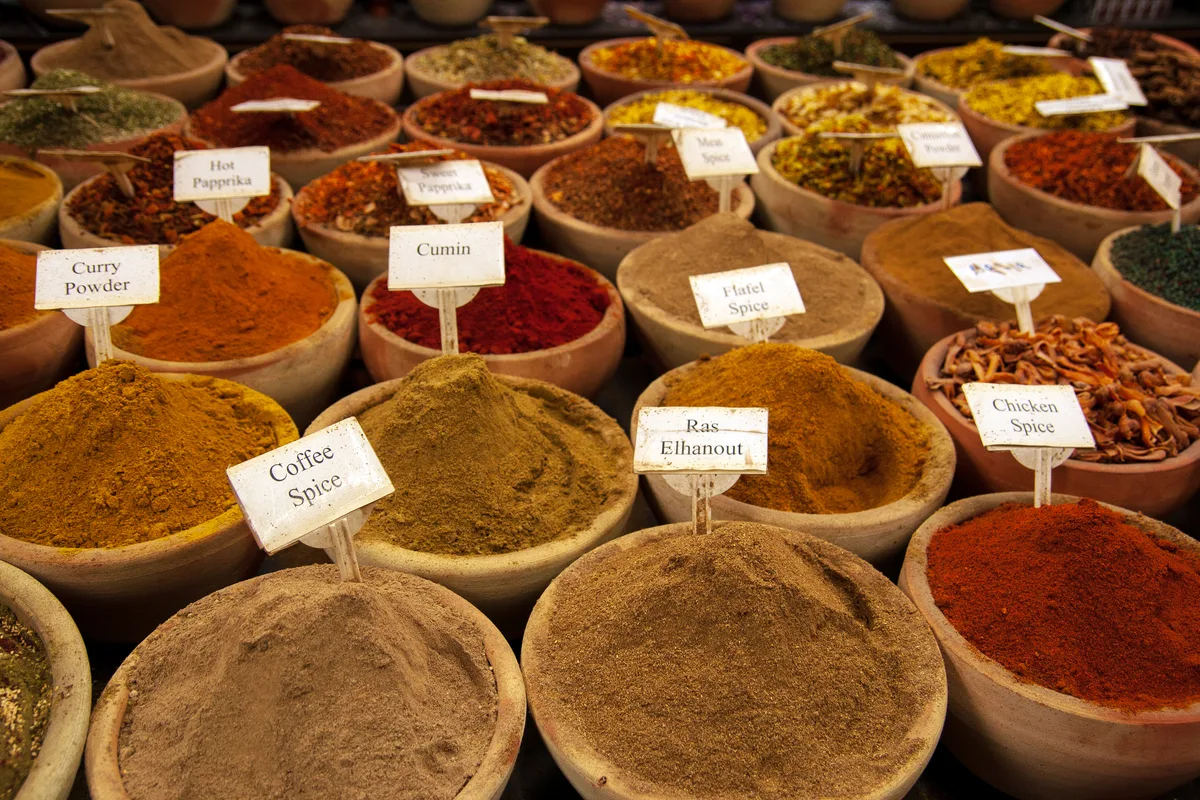
Sumac is a tangy, wine-red spice ground from the dried berries of a wild shrub that grows across the Levant and the wider Mediterranean. It carries no heat at all — the sourness sits closer to lemon zest and cranberry than to chili — which is why it works as a finishing spice rather than a background note. Our stocked line is Sumac from AbdulRahim Mills, listed as available in bulk and quoted by inquiry.
This guide covers what sumac actually is, where it earns its place in a kitchen, the substitutes worth knowing about, and how to judge a good batch before you commit to cases. For the buying and formats side specifically, see our dedicated sumac wholesale guide.
What sumac is, in plain terms
The berries are harvested from wild shrubs across the Levant, dried and ground to a coarse, deep-red powder. A little salt is a traditional part of processing, but it should read as a supporting ingredient rather than the dominant flavour. The colour is the spice's signature — a genuine batch is a deep wine-red, not a pale brick or brownish shade.
Sumac appears across Levantine, Turkish, Persian and Iraqi kitchens, which is why a well-stocked spice wall serving any of those communities treats it as a staple rather than a specialty item.
Historically, sumac functioned as a souring agent in regions and seasons where citrus wasn't reliably available — a role that still shows up in how cooks talk about it today, reaching for the shaker the way another kitchen might reach for a lemon wedge. That habit is why it reads as a pantry essential rather than an occasional garnish for households and restaurants that grew up with it.
Where sumac earns its keep in the kitchen
Fattoush is unthinkable without it — the salad's whole character depends on sumac's sourness against toasted or fried bread. It finishes grilled meats, kebabs and roast vegetables, lifts a hummus bowl, and is the classic dusting on the raw onion garnish that shawarma service runs through daily.
Unlike lemon juice, sumac adds acidity without adding moisture, which matters on a busy grill line where a wet garnish can throw off plating and shelf life. It also shows up in marinades and rice dishes, and as a structural ingredient it's one of the defining components of za'atar — buyers stocking one almost always stock the other.
Substitutes, and why they fall short
Lemon zest with a pinch of salt is the standard stand-in noted across recipe guides and kitchens improvising without sumac on hand. It gets close on acidity but misses the berry depth and, critically, the colour — a fattoush or a hummus plate dusted with lemon zest simply doesn't look the same as one finished with sumac.
For any menu built around fattoush, mezze or a Levantine grill program, keeping real sumac in the pantry is simpler than working around its absence on a busy night.
How to judge a good batch
Because sumac is wild-harvested and the quality spread between batches is wide, it rewards a more careful look than most spices on a shelf. A handful of quick checks tells you more than any marketing claim on a bag.
- Colour: deep wine-red is the target; pale brick or brownish shades signal old stock or over-drying.
- Grind: a good batch is coarse and slightly moist; bone-dry, powdery sumac suggests the oil-rich fruit was padded out with filler.
- Taste: clean, fruity sourness should lead; a salty-first taste means the sourness you're paying for has been diluted.
- Ingredient list: salt as a processing aid is traditional — anything else should be declared and justified.
- Provenance: a named origin and mill, offered in writing without hesitation.
Sumac and za'atar: the connection
Sumac isn't just a stand-alone spice — it's one of the four core ingredients in a proper za'atar blend, alongside wild thyme, toasted sesame and salt, and the amount a mill uses is one of the main things that separates a herb-forward blend from a sumac-forward one. See green vs. red za'atar for exactly how that balance plays out between our two stocked lines, and the wider za'atar category for both.
For a spice wall or a working kitchen, that overlap is worth planning around rather than treating as a coincidence: a buyer stocking sumac for fattoush and grilled meats is usually a few weeks away from also wanting za'atar for manakish and labneh, and ordering both together on one inquiry keeps the delivery and the shelf story consolidated.
Related questions
What does sumac taste like?
Cleanly sour and fruity, closer to lemon zest and cranberry than to vinegar, with a faint salinity from traditional processing. It adds acidity without adding liquid, which is why grill and salad stations lean on it so heavily.
What can I use instead of sumac?
Lemon zest with a pinch of salt is the usual stand-in, though it lacks sumac's berry depth and distinctive wine-red colour. It's a workable substitute in a pinch, not a long-term replacement for a menu built around it.
Is sumac spicy?
No — sumac carries no chili heat at all. The "kick" it adds is pure acidity, not spice, which is part of why it pairs so easily with rich, fatty grilled meats.
Is sumac the same as za'atar?
No. Sumac is one ingredient within a za'atar blend, not the blend itself — za'atar also includes wild thyme, toasted sesame and salt. See what is za'atar for the full breakdown.