Sourcing & Wholesale
Dried Hibiscus Flowers in Bulk: Grades & Formats
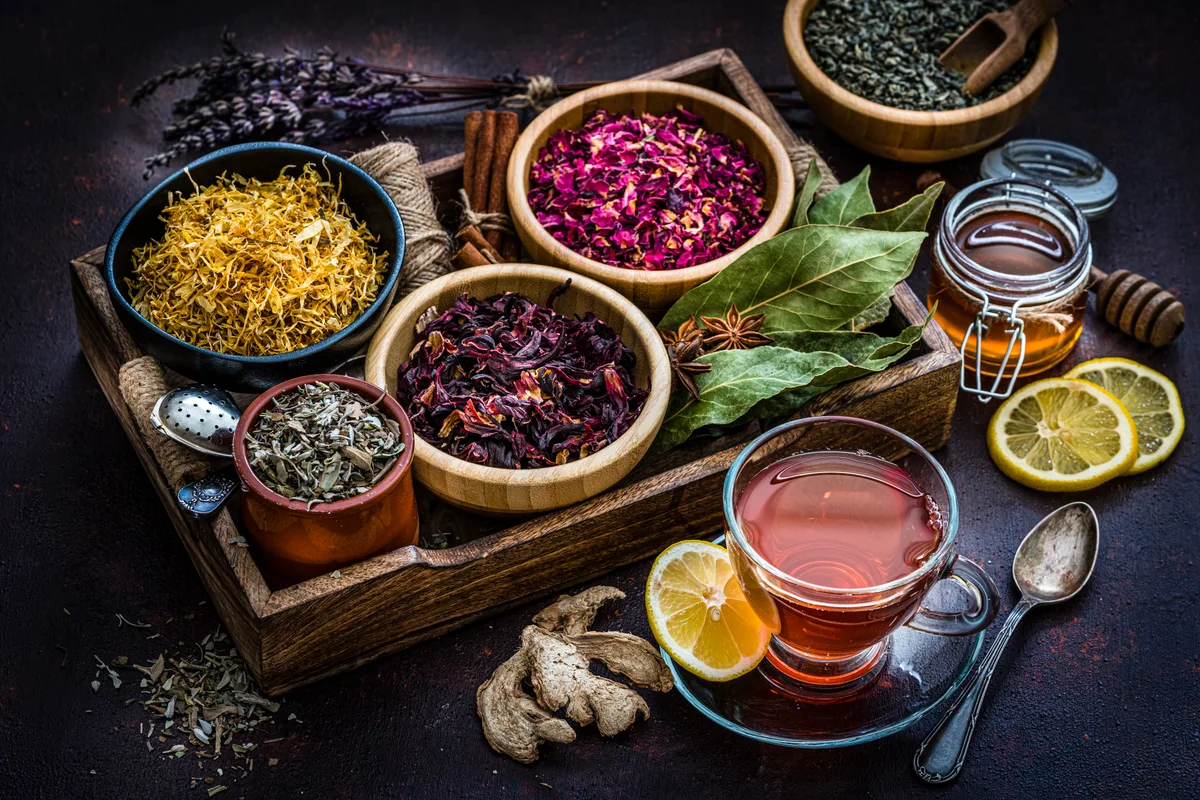
Dried hibiscus flowers in bulk come, in trade terms, in two working grades: whole calyx and cut-and-sifted. The whole grade keeps the flower's shape intact — the visual pull for a retail tea bag or a jar a customer can see through. The cut-and-sifted grade is broken down for faster extraction, the choice for syrup, concentrate or a fast-brewing blend. AbdulRahim Mills, our Jordan-based supplier, catalogues this line as hibiscus; in Egyptian and Sudanese tradition it's karkade, the same plant under its regional name.
This page is a grade-and-format guide specifically for a bulk buyer deciding which one to order — a repacker, blender or manufacturer — rather than a café or beverage-menu piece. If you're building a café hibiscus program instead, our hibiscus in the Levantine kitchen and café post covers that use-case in full; this page picks up where a buyer needs to decide grade and format before that product ever reaches a menu.
Whole calyx vs. cut-and-sifted: what the grade actually changes
Whole calyx hibiscus keeps the dried flower's full shape and deep red colour intact, which matters most when the finished product is visible to the end customer — a clear tea bag, a jar on an open shelf, a garnish. Cut-and-sifted hibiscus is broken into smaller pieces, which increases surface area and speeds extraction, the better choice when the flower is going into a syrup, cordial or fast-steep blend where appearance in the final package doesn't matter as much as extraction speed.
Neither grade is objectively "better" — the right one depends entirely on what you're building downstream. A private-label tea-bag manufacturer typically wants whole or lightly broken calyx for a clean-looking finished bag; a syrup or concentrate producer typically wants cut-and-sifted for throughput. If you're not sure which grade your production line needs, describing the finished product to us — a clear tea bag, a cloudy syrup, a fast-brewing loose-leaf pouch — is usually enough for us to recommend the right grade rather than asking you to specify trade terminology you may not use day to day.
One flower, two names
"Hibiscus" is the catalogue and botanical name; karkade is the Egyptian and Sudanese Arabic name for the same dried calyx, used across much of the region's beverage tradition. Both names point to the identical product in our herbs & teas range — worth knowing if a supplier list, an old purchase order or a customer's own request uses one term and your paperwork uses the other.
AbdulRahim Mills files this line, like the rest of its dried-botanical range, under the attara (عطارة) tradition — the herbalist-shelf classification common to Jordanian markets, even though most of our buyers use it for beverage manufacturing rather than any remedy context.
Why import licensing matters more here than the grade itself
A bulk-format botanical like this one crosses the border under Canada's Safe Food for Canadians framework, which requires the importer of record to hold a valid import licence and a preventive control plan before the shipment arrives — general guidance, confirm current requirements with CFIA directly. The reassurance for a buyer sourcing through us: a business that buys from a licensed Canadian importer or distributor isn't the one importing, and doesn't need to hold that licence itself.
That distinction is worth more to a bulk buyer than it might first appear, since it's what actually lets a repacker or manufacturer place a straightforward purchase order rather than navigate an import process on top of a grade decision.
Ordering hibiscus in bulk
Current bag size and grade availability are confirmed at quotation rather than published here — tell us whether your end use needs whole calyx or cut-and-sifted, and we'll quote the format that actually fits your production line rather than defaulting to whichever grade ships easiest.
It's commonly ordered alongside mint or the rest of the herbs & teas range on one inquiry — see storing dried herbs and teas for handling guidance once the order arrives, particularly relevant for a bulk format kept over a longer production run than a single retail bag.
Related questions
What's the difference between whole and cut-and-sifted hibiscus?
Whole calyx keeps the flower's shape intact, best where appearance matters — a visible tea bag or jar. Cut-and-sifted is broken down for faster extraction, better suited to syrups, concentrates or fast-steep blends.
Is karkade a different product from hibiscus?
No — karkade is the Egyptian and Sudanese Arabic name for the same dried hibiscus calyx we catalogue as hibiscus. Same product, two names.
Do I need my own import licence to buy hibiscus in bulk from you?
No. Buying from a licensed Canadian importer or distributor means you aren't the one importing — the licence obligation sits with us, not with your business.
Can I order a sample of both grades before committing to a bulk quantity?
Ask at quotation — comparing whole calyx against cut-and-sifted side by side before a full bulk order is a reasonable request for a first-time buyer deciding between the two.