Product Guides
Hibiscus (karkade) in the Levantine kitchen and café
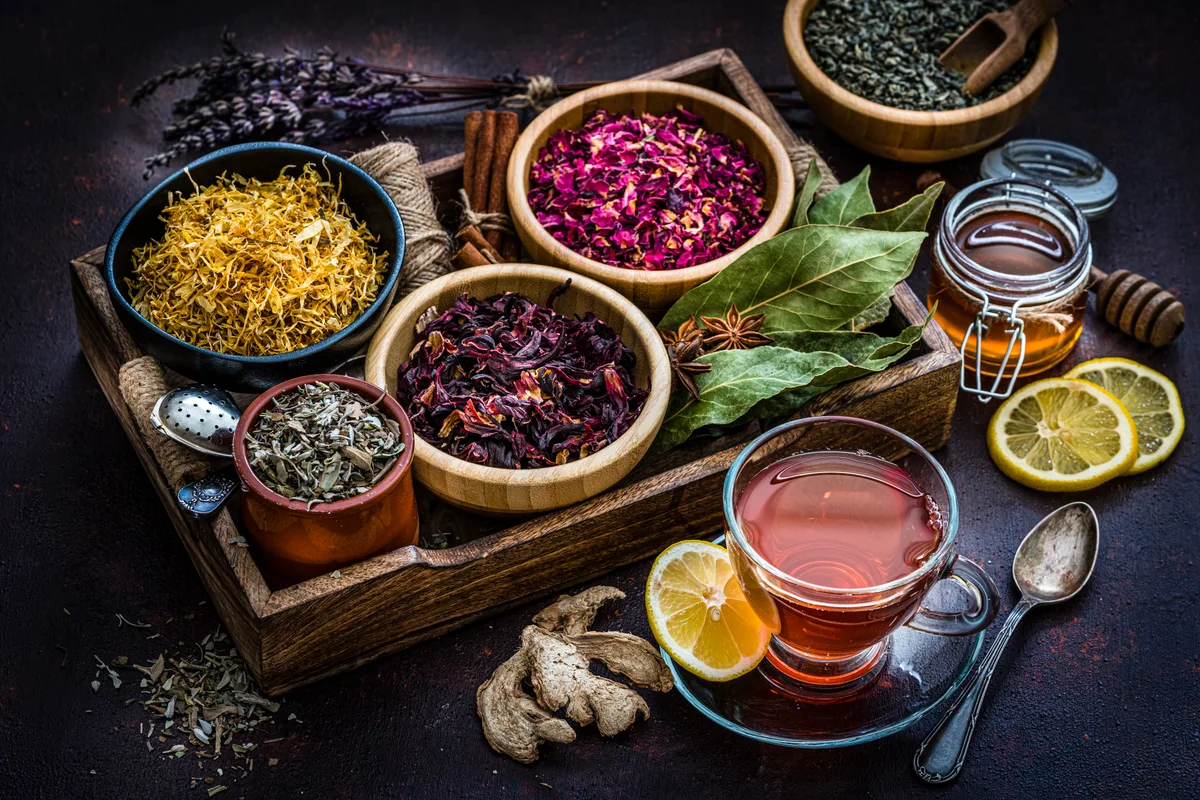
Hibiscus — karkade (كركديه) in Arabic — is the dried flower behind one of the region's most recognizable drinks: a deep-red, tart infusion served hot or iced across Egypt and the wider Levant, and it's just as often folded into a zhourat blend for its colour as it is brewed on its own. We carry it as a standalone dried herb, Hibiscus from AbdulRahim Mills' Amman mill.
This guide covers how karkade is traditionally used, what a café or grocer should look for in dried hibiscus, and how to build it into a beverage program without straying into health-claim territory.
Karkade tradition, from Egypt to the Levantine table
Karkade is most closely associated with Egypt, where it's served both hot and cold and shows up at celebrations as a welcome drink, but the dried flower travels across the wider Levantine pantry too — folded into a zhourat tea blend for its colour and tartness, or steeped on its own as a bright, naturally caffeine-free infusion. Sweetened and chilled, it's one of the more approachable Levantine drinks for a customer trying the cuisine for the first time — it looks and tastes like nothing else on a typical café menu.
For more on how hibiscus fits alongside mint, sage and marjoram in a house herbal-tea blend, see our guide to zhourat and Levantine herbal teas.
What to look for in dried hibiscus
Steeped correctly — a small handful of dried flower per litre of water, simmered a few minutes then strained — hibiscus gives up its colour fast, which makes it easy to judge freshness by eye: a weak, pale infusion from a full measure of flower is usually a sign the stock has been sitting too long.
- Deep, uniform red-purple colour — faded or brownish flowers have lost potency and will brew pale.
- Whole calyces, not crushed fragments — whole flower steeps cleaner and looks better in a visible brewing vessel.
- A sharp, tart aroma on opening — hibiscus should smell distinctly tangy, not dusty or flat.
- Clean sorting — minimal stem and debris mixed through the flower.
Hibiscus as a retail line, not just a café pour
Beyond the teapot, dried hibiscus sells well as a straightforward retail item in its own right — bagged loose for customers who want to brew it at home the way they would any other loose-leaf tea. It's an easy add-on next to Arabic coffee or other herbs & teas on a grocery shelf, and its bright colour through a clear bag or jar does a lot of the selling on its own, even for a shopper who has never tried karkade before.
For a gift or specialty retailer, hibiscus also pairs naturally with a hospitality theme — sold alongside a small teapot or glass set, or bundled with other Levantine tea herbs as a starter kit for a customer who wants to build their own zhourat blend at home rather than buy it pre-mixed.
Café applications, without the health-claim framing
Hibiscus works well as a hot infusion in cooler months and an iced tea or cordial base in warmer ones, and it pairs cleanly with mint or a touch of orange for a menu item that reads as distinctly Levantine or Egyptian rather than a generic "fruit tea." It also makes a striking syrup or reduction for drinks and desserts, given how much colour a small amount of flower carries.
We describe hibiscus by taste, colour and how the region has traditionally served it — a celebratory welcome drink, a bright counterpoint to a heavier meal — rather than by any wellness or therapeutic claim, and that's the framing we'd suggest for menu copy and shelf cards too.
Sourcing and planning hibiscus alongside the rest of a beverage program
Because hibiscus is shelf-stable and used in relatively small quantities per infusion, it's an easy line to hold a working stock of without tying up much storage space — a modest case covers a surprising number of pots or pitchers given how concentrated the colour and flavour are. It's also a natural line to order in the same inquiry as the rest of a Levantine beverage program, alongside Arabic coffee and the other herbs & teas that round out a café's non-alcoholic drink list.
For seasonal planning, demand for iced hibiscus typically tracks warmer months the way any iced tea does, while the hot, spiced version holds steadier through the year as part of a standing herbal tea offering — worth factoring into how far ahead you reorder against your own café or shop's pattern.
Because the flower is used whole rather than ground, storage is straightforward: an airtight container away from light and heat keeps its colour and tartness intact for a long stretch. It's worth checking a jar periodically for colour fade rather than relying on a printed date alone — a batch that's lost its deep red has lost most of what makes it worth brewing.
Related questions
What is karkade?
Karkade is the Arabic name for dried hibiscus flower, most closely associated with Egypt, brewed into a deep-red, tart infusion served hot or iced. It's also a common ingredient in Levantine zhourat tea blends.
Is hibiscus tea caffeine-free?
Yes — dried hibiscus flower contains no caffeine, which is part of why it's traditionally served at any time of day, including in the evening alongside other herbal infusions.
How should a café brew hibiscus for iced tea?
Simmer a small handful of dried flower per litre of water for a few minutes, strain, sweeten to taste and chill — or serve it hot as-is. It's naturally strong in colour, so a little goes further than most other herbal teas.