Soap & Natural Care
Frankincense oil wholesale in Canada: sourcing an incense-route staple by the case
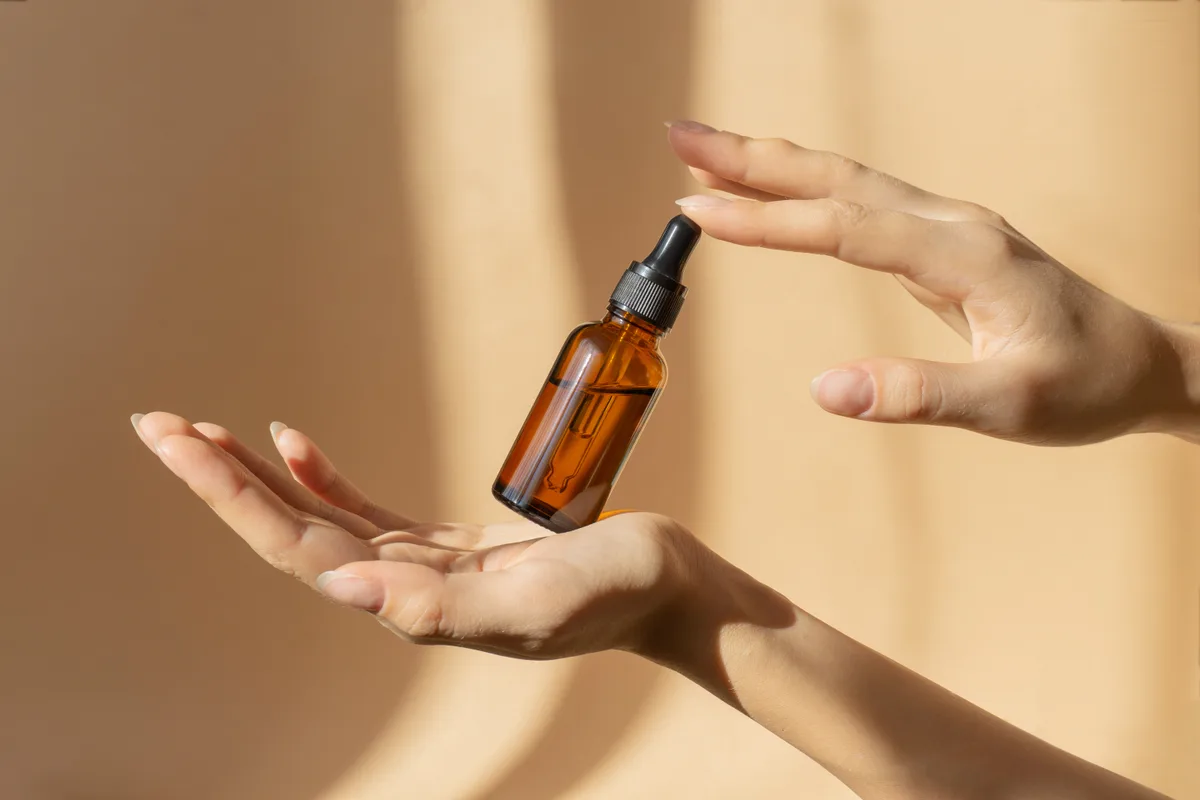
Frankincense oil — also labelled olibanum oil — comes from the resin of Boswellia trees, historically central to the incense trade routes that linked Arabia and the Horn of Africa to the Levant and Mediterranean for millennia. Levant Direct sources Frankincense (Olibanum) Oil wholesale from El Captain (Cap Pharm) of Cairo, quoted by the case on a written quotation.
This guide covers what frankincense oil is, its traditional role in perfumery and incense, and how to order it correctly.
What frankincense oil is
Frankincense oil is produced from the resin of Boswellia trees rather than pressed from a seed or nut, which sets it apart from most of the range — the resin itself, sometimes called olibanum, has been traded along historic incense routes connecting southern Arabia and the Horn of Africa to the Levant and the wider Mediterranean for thousands of years.
In our catalogue it's part of the natural oils range rather than marketed as a certified essential oil — it's a cosmetic-grade natural oil, consistent with how the rest of the El Captain range is described, and buyers should treat it that way when deciding how to position it on a shelf.
Frankincense resin itself has traditionally been graded in the trade by purity and colour, with paler, more translucent tears generally regarded more highly than darker or more fragmented pieces — a distinction worth knowing even though it applies to the raw resin rather than the finished oil we supply.
Frankincense's traditional role: incense and perfumery
Frankincense's best-known traditional use is as bakhour — incense burned across Levantine and Gulf households and at gatherings — and it has a long parallel history in perfumery, where the resin's fragrance is a base note in traditional and modern blends alike. Some traditions also work small amounts of frankincense-derived preparations into skin-care blends, though that use is far less prominent than incense and fragrance.
Retailers selling frankincense oil do well leaning into that fragrance-and-tradition story — it's a genuinely differentiated product from the range's other carrier oils, and the incense-trade history is a strong, honest hook on its own. It also pairs naturally on a shelf with rose and jasmine as part of a fragrance-led display, since all three sell more on scent and story than on the carrier-oil logic that drives castor or sweet almond.
Frankincense oil in gift and seasonal retail
Incense and fragrance products see a natural seasonal lift around Eid and Ramadan evenings, weddings and other gatherings where bakhour is traditionally burned, and frankincense oil can ride that same seasonal attention on a gift or boutique shelf. It reads well alongside other fragrance-led items — rose or jasmine oil, or Aleppo soap for a broader gifting set — rather than sitting alone as a single unfamiliar bottle.
Buyers building a seasonal gift program are usually better served ordering frankincense in smaller, more frequent quantities timed to the calendar than committing to one large order year-round, given how much of its demand clusters around specific occasions. Coffee shops and cafés serving a Levantine or Gulf-influenced clientele occasionally ask about frankincense too, for the same cultural association it carries at home — worth knowing if that's part of your customer base.
Buying frankincense oil wholesale: format and ordering
Frankincense oil is quoted and cased like the rest of our natural oils range — format is confirmed against the volume you need on the quotation rather than published as a fixed bottle size online. It's a fragrance-led, lower-volume line for most buyers compared with anchor carrier oils, and it pairs naturally with other floral and aromatic picks in the range.
How inquiry ordering works covers the process, and samples can be requested before you commit to a case.
Selling frankincense oil without medical claims
Keep frankincense oil language to fragrance, tradition and origin — never to what it does for the body. Cosmetics are regulated under Health Canada's Food and Drugs Act and Cosmetic Regulations; this is general guidance, not legal advice, and specific wording should be confirmed with Health Canada before it goes to print. 'Frankincense (olibanum) oil, from the resin long traded along the historic incense routes into the Levant' is accurate, evocative and cosmetic-only.
For the range's other fragrance-led picks and how they fit a boutique or gift-retail shelf, see natural and herbal oils wholesale in Canada and the natural oils glossary.
Related questions
Is frankincense oil the same as a certified essential oil?
We supply it as a cosmetic-grade natural oil, consistent with the rest of our El Captain range, rather than marketing it as a certified essential oil. Confirm your own grade requirements if that distinction matters for your product.
What is frankincense oil traditionally used for?
Primarily incense (bakhour) and perfumery, with a long trading history connecting Arabia and the Horn of Africa to the Levant. Some traditions also use small amounts in skin-care blends, though that's a secondary use.
Can I make health claims about frankincense oil?
No — keep language to fragrance, tradition and origin. Avoid any suggestion of a treatment or specific effect, and confirm borderline wording with Health Canada.
Can I order frankincense oil alongside other fragrance oils in one inquiry?
Yes — it's commonly ordered with rose, jasmine or lavender as part of a fragrance-led assortment, and mixed inquiries across the range quote together as a single order.