Sourcing & Wholesale
Ground cumin in bulk in Canada: freshness, formats, and how to buy it right
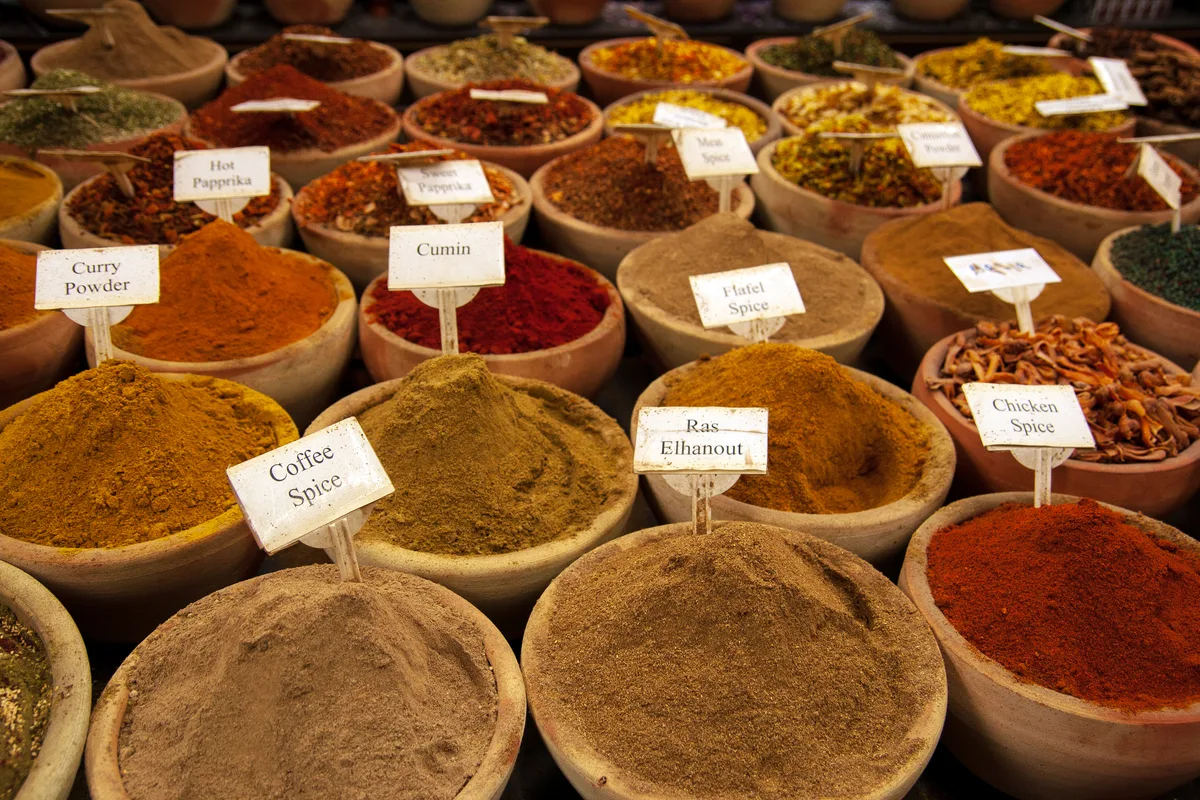
Ground cumin in bulk is one of the highest-turnover spice lines a Levantine kitchen buys, and it's also one of the least forgiving when it comes to freshness — cumin's oil-rich seed loses its punch faster ground than most spices, so how recently a batch was milled matters as much as where it came from. We stock Ground Cumin and whole Cumin seed from AbdulRahim Mills, quoted by inquiry with one written quotation covering every line.
Cumin is the backbone of shawarma spice, falafel, kabsa and half the spice blends a Levantine kitchen runs, which makes it a case worth getting right rather than treating as an interchangeable commodity. This guide covers why grind freshness matters so much with cumin specifically, where it's used, and how to buy it properly.
Why cumin fades faster than most ground spices
Cumin seed is unusually rich in volatile oils, which is exactly what gives it that warm, slightly bitter, earthy punch — but those same oils evaporate quickly once the seed is cracked open by grinding. A freshly ground cumin should smell strong enough to notice from an open bag across a kitchen; a tired one smells dusty and flat, and no amount of extra quantity in a recipe fully makes up for lost aroma.
This is why asking about grind recency matters more with cumin than with a hardier spice like allspice or clove. A mill that grinds in smaller, more frequent runs against actual demand — rather than sitting on a large pre-ground stock for months — will consistently deliver a stronger, more reliable product, even if the seed itself came from the same harvest.
Colour is a useful secondary check: good ground cumin is a warm, even olive-brown throughout the bag, not patchy or pale. A lot that looks dusty grey-brown, or that has visibly separated with lighter powder settling at the top, has usually been sitting too long or been handled roughly in transit — worth flagging to a supplier before committing to a large order.
Where cumin sits in a working Levantine kitchen
Ground cumin is close to non-negotiable in shawarma spice blends, where it forms part of the earthy base underneath sumac, paprika and black pepper, and it's equally central to falafel, where a Levantine kitchen's version stands or falls partly on how fresh the cumin tastes. Our falafel restaurant pantry guide covers the rest of that pantry list.
Beyond those headline dishes, cumin runs through kabsa and other rice preparations, meat marinades, roasted vegetable seasoning and several regional spice blends, which is why it's typically one of the highest-volume lines on a restaurant's spice program reorder list — worth planning for steady, frequent reorders rather than one large annual case.
Grocers see a similar pattern on the retail side: cumin sits among the fastest-moving items on any spice wall serving Levantine, Persian or South Asian households, and a shelf that looks tired or under-stocked on cumin specifically tends to read as a signal that the whole spice section isn't well maintained. It's worth treating as an anchor item rather than an afterthought when planning shelf space.
Formats: whole seed vs ground
Whole cumin seed holds its aroma considerably longer than ground and is worth stocking wherever a kitchen has any capacity to toast and grind to order — toasting whole seed briefly before grinding is also a common technique for deepening cumin's flavour.
| Format | Best for | Watch-outs |
|---|---|---|
| Ground cumin | High-volume kitchens, shawarma and falafel programs, spice blend production | Buy on a reorder cycle matched to real turnover — freshness fades faster than most ground spices |
| Whole cumin seed | Kitchens that can toast and grind to order, retail spice shelves | Store sealed and dark; grind only what will be used within a few weeks |
How to source it from us
Ground and whole cumin both follow the same quote-based model as the rest of the catalogue: add your quantities to an inquiry list alongside the rest of your spice order — sumac, black pepper and paprika ship well on the same line — and one written quotation comes back covering every item, typically within a business day. Asking commits you to nothing, and there's no published price list; the quotation is the price document.
Because cumin turns over so quickly in most Levantine kitchens, it's worth reviewing how reorders work once your first case lands, so a busy shawarma or falafel line doesn't run short between quotations.
Related questions
Why does ground cumin need to be bought fresher than other spices?
Cumin seed is unusually oil-rich, and those aromatic oils evaporate quickly once the seed is cracked by grinding. A cumin ground months ago and left sitting will taste noticeably duller than a recently milled batch, even from the same original seed.
Should a restaurant buy whole cumin seed or ground cumin?
Ground, for most high-volume kitchens, since grinding to order isn't practical at that pace — just buy on a reorder cycle that matches how quickly it's used. Whole seed suits kitchens that can toast and grind smaller batches to order, which deepens the flavour further.
How much cumin goes into a typical shawarma spice blend?
Ratios vary by house recipe, but cumin is one of the base notes alongside sumac, paprika and black pepper rather than the dominant flavour. Our shawarma spice blends guide covers the components in more detail if you're building a house blend.
Is there a minimum order for bulk ground cumin?
Minimums vary by supplier and format. With a quote-based catalogue you state the quantity you want — whole or ground — and the quotation reflects it; asking costs nothing and commits you to nothing.