For Grocers & Retailers
A health food store distributor in Canada for natural oils and herbal teas, claims done right
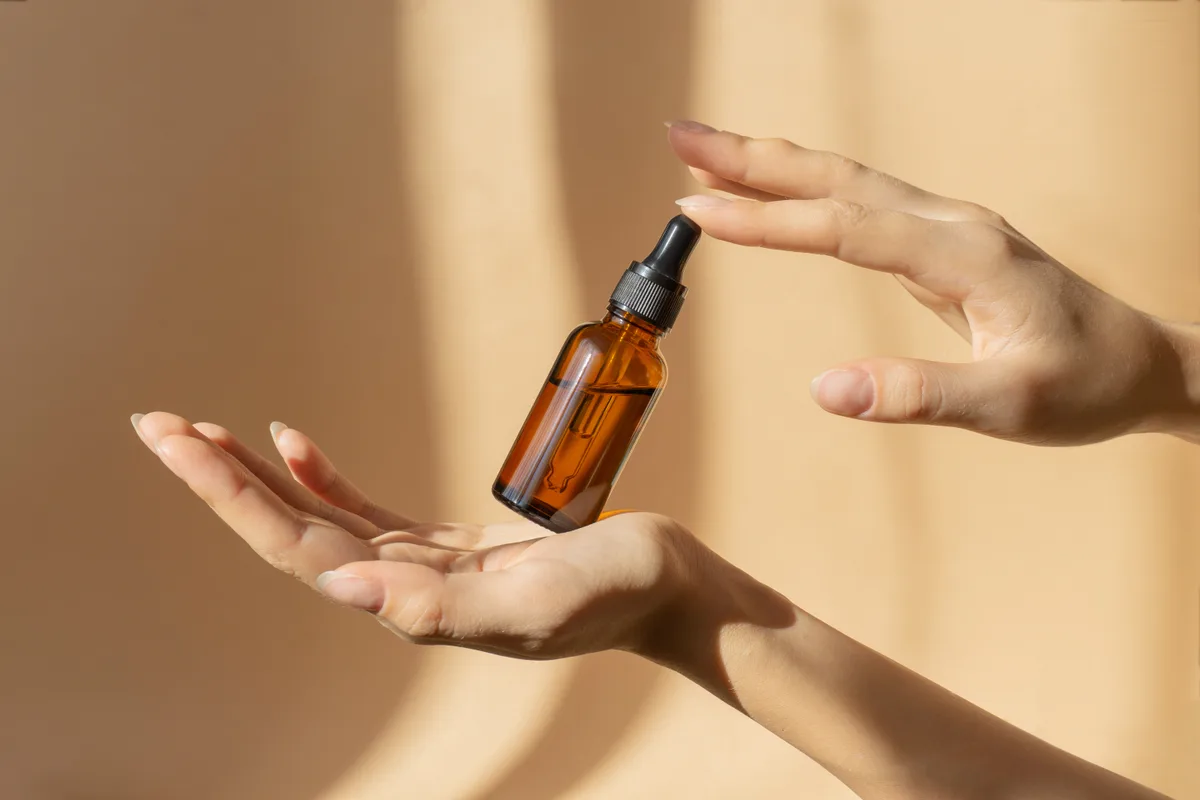
A health food store looking for a distributor of natural oils and herbal teas needs two things: a range deep enough to build a real section rather than three or four bottles bolted onto a wellness aisle, and a supplier who talks about the products in cosmetic and traditional-use language rather than treatment claims — that's the line Health Canada draws between a cosmetic product and a Natural Health Product, and it shapes how a shelf can legally talk about itself. Levant Direct distributes El Captain's 73-oil range alongside an eight-item herbs and teas line, and works this way by default.
This page is about sourcing that range as a distributor relationship — what to expect from the assortment and how to order it. For the full claims playbook — exactly what language stays compliant and what tips into a health claim — see natural oils for wellness retail, claims done right, the companion page this one is built alongside.
None of this is legal advice; it's a plain-language map with links to the actual Health Canada rules, so a buyer can brief staff with confidence rather than guesswork.
What a health food store needs from a distributor
Range and consistency matter more than novelty. A single-supplier range that ships in the same glass format across dozens of SKUs is easier to merchandise and reorder than a patchwork of small suppliers with different bottle sizes and label formats. Equally important is a supplier who defaults to careful, non-therapeutic language in its own descriptions — if the products are described accurately from the source, a retailer's shelf copy has a solid foundation to build from rather than having to correct an overstated claim upstream.
A distributor relationship in this category should also be able to name the producer and country of origin for each line, rather than selling under a private label with no traceable source. That matters to a health-food shopper more than most other retail categories — the customer base tends to ask, and a vague answer at the counter undercuts trust faster than almost anywhere else on the floor.
The range: oils and herbal teas
Two categories cover most of a natural-oils-and-teas section.
| Category | Examples | Note |
|---|---|---|
| Natural oils (73 SKUs) | Argan, Castor, Jojoba, Sweet Almond, Black Seed Oil (Habet El Baraka), Rosemary, Watercress | Familiar carrier and culinary oils through to specialty botanicals; all from El Captain |
| Herbs & teas (8 SKUs) | Hibiscus, Mint, Sage Leaves, Rosemary, Mixed Herbs, Arabic Gum, Laurel Leaf, Marjoram | Sold as dried culinary and infusion herbs, not as health products |
Claims: cosmetic and culinary language only
The safe pattern is to describe what an oil or herb has traditionally been used for and how it's typically applied, without promising an outcome — "a traditional dressing-table oil" rather than "treats dry skin," "used in traditional infusions" rather than "relieves." Black seed is a good example of a product that sits in two worlds — it's sold both as a culinary spice and, in oil form, as a traditional cosmetic — and both uses stay firmly on the traditional-use side of the line, never a medical one.
The full detail on where the cosmetic/Natural Health Product boundary sits, including the Health Canada notification requirements for cosmetic oils, is in natural oils for wellness retail, claims done right — read it before writing shelf copy.
Storage that protects the range
Natural oils hold their character longer out of direct light and heat, which is why they typically ship and display in dark or amber glass — a health food store's shelf should keep that logic going rather than moving stock into clear containers for display. Dried herbs and teas face a similar rule: away from direct sun, in a cool, dry spot, rotated on a first-in-first-out basis so older stock sells before newer stock arrives. Storing dried herbs and teas in a shop or kitchen covers the specifics for the tea side of the shelf.
Sourcing a shelf as one inquiry
Because oils and herbs both ship from suppliers we work with regularly, a mixed inquiry across a dozen or more SKUs from both categories quotes as a single order. Most stores stocking this section for the first time start with familiar names — argan, castor, black seed, hibiscus, mint — to establish the shelf, then expand into less common botanicals as they see what moves; natural and herbal oils wholesale in Canada covers the sourcing side of the oil range in more depth, and zhourat and Levantine herbal teas does the same for the tea side.
A distributor relationship built this way also scales with the store: a new section can open with a dozen SKUs and grow to the full range over a year of reorders, without ever needing to renegotiate terms or open a second supplier account for the botanicals that weren't in the first order.
Related questions
How many natural oils and herbal teas do you carry?
73 natural oil SKUs through El Captain and 8 herbs and teas SKUs — enough to build a genuine section rather than a handful of bottles.
Can I describe an oil as treating a condition on my shelf tags?
No — that kind of claim generally requires a Natural Health Product licence (an NPN). Traditional-use and cosmetic language keeps a shelf on the simpler cosmetic notification path; see natural oils for wellness retail for the detail.
Do herbal teas need special approval to sell?
Most single-ingredient dried herbs and teas are sold as food or infusion items rather than health products, but a package that makes a specific health claim can fall under Natural Health Product rules. This is general guidance — confirm specific label wording with Health Canada.
Can I start with a smaller range than the full catalogue?
Yes. Most retailers open with a handful of familiar oils and herbs and expand the section once they see what sells; the full range is there to draw on when you're ready.