For Grocers & Retailers
Natural oils for wellness retail in Canada: getting the claims right
Natural oils can be retailed in Canada as cosmetic products — sold with traditional-use and cosmetic language, not medical claims — without needing the licensing that applies to a health product. The line that matters is simple: describe an oil for what it traditionally does on skin or hair and you're in cosmetic territory; claim it treats, cures or relieves a condition and you've stepped into Natural Health Product territory, which needs its own federal licence. Levant Direct carries 73 natural and herbal oils through El Captain, an Egyptian house with one of the deepest single-supplier ranges we carry — this guide is about selling that range correctly.
None of this is legal advice. It's a plain-language map of where the line sits, with links to the actual Health Canada rules, so a retailer can brief staff and write shelf copy with confidence instead of guesswork.
Cosmetic or Natural Health Product — the line that decides your paperwork
In Canada, a natural oil sold for cosmetic purposes — skin, hair, traditional dressing-table use — falls under the Food and Drugs Act and the Cosmetic Regulations (C.R.C., c. 869). That means notifying Health Canada within 10 days of first sale, listing ingredients in INCI nomenclature on the outer label, and checking any formulation against the Cosmetic Ingredient Hotlist of restricted or prohibited substances (canada.ca cosmetics hub; laws-lois.justice.gc.ca).
The moment a label or a shelf-talker claims an oil treats, cures, prevents or relieves a specific condition, it's making a health claim — and health claims in Canada generally require a Natural Health Product licence with its own product number (an NPN), a separate and considerably heavier process than cosmetic notification (canada.ca natural health products). Most retailers selling natural oils as a wellness-adjacent, traditional-use category are operating — and want to keep operating — on the cosmetic side of that line.
Shelf language that stays on the right side of the line
The safest and most accurate language describes what an oil has traditionally been used for, and how it's meant to be applied, without promising an outcome. "Traditionally used in hair care" reads very differently, legally, from "treats hair loss." "A traditional dressing-table oil" is safe; "relieves dry skin" is a claim.
This isn't just risk management — it's also more honest to the customer, and it matches how these oils have actually been used for generations across Levantine and wider Middle Eastern households: as part of a traditional beauty and grooming routine, not as a substitute for medical treatment. Confirm any specific label wording against Health Canada's current guidance before printing, since interpretation of what counts as a health claim can be stricter than it first appears.
- Use: "traditionally used for," "a traditional [hair/skin] oil," "part of a traditional grooming routine."
- Avoid: "treats," "cures," "heals," "relieves," "prevents" — any claim tied to a specific condition.
- State origin and format plainly (cold-pressed, country of origin, bottle size) — factual, not therapeutic.
- When in doubt, describe use, not outcome.
What's actually on our shelf
El Captain's range runs from familiar carrier and culinary oils — argan, castor, jojoba, sweet almond — through to specialty botanicals less common on a mainstream shelf, like black seed oil (Habet El Baraka), rosemary and watercress oil. That breadth is what makes the natural-oils category a genuine specialty section rather than three or four bottles bolted onto a wellness aisle.
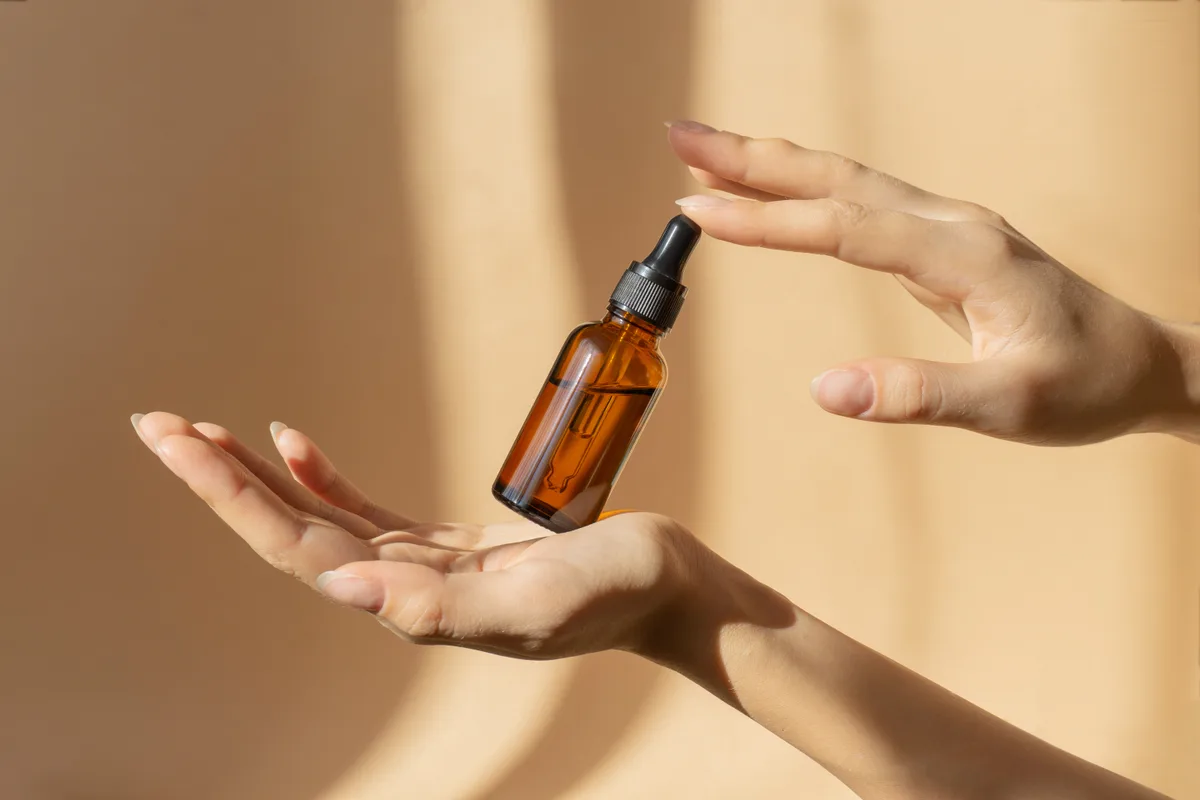
Storage is worth planning for at retail as much as sourcing: natural oils hold their character longer out of direct light and heat, which is why they typically ship and display in dark or amber glass. Facing bottles away from a sunlit window and keeping stockroom reserves somewhere cool extends shelf appeal noticeably.
Building a wellness-shelf inquiry
Most retailers stocking this category for the first time start with a handful of familiar names — argan, castor, black seed, jojoba — to establish the section, then expand into less common botanicals once they see which ones move. That's a reasonable approach with a 73-SKU range: you don't need to carry all of it to open a credible natural oils section, and adding lines later is simply a matter of extending an existing inquiry rather than opening a new account.
Because every oil ships from the same supplier in the same glass format, a mixed inquiry across a dozen or more SKUs is normal and quotes as one order. Pair the oil order with personal-care category lines — henna, hair lotions, glycerin soaps — if the shelf is broader than oils alone, since they come from the same Egyptian house and share the same cosmetic-not-medical framing.
Related questions
Can I say a natural oil 'treats' a skin or hair condition?
Not without a Natural Health Product licence (NPN) — that kind of claim moves the product out of cosmetic territory and into Health Canada's health-product regulations. Traditional-use and cosmetic language keeps you on the simpler cosmetic notification path.
Do I need to register every oil with Health Canada before selling it?
Cosmetic products generally require notification to Health Canada within 10 days of first sale, plus an INCI-format ingredient list on the label. This is general guidance — confirm your specific labelling with Health Canada's cosmetics program before launch.
How many natural oils does Levant Direct carry?
73 SKUs through El Captain, spanning familiar carrier oils to specialty botanicals — one of the deepest single-category ranges in our catalogue.
Can I start with just a few oils rather than the full range?
Yes. Most retailers open a natural oils section with a handful of familiar names and expand into less common botanicals once they see what sells — the full range is there to draw on when you're ready, not a minimum to start with.