Soap & Natural Care
Herbal hair oils: the traditional Levantine dressing table
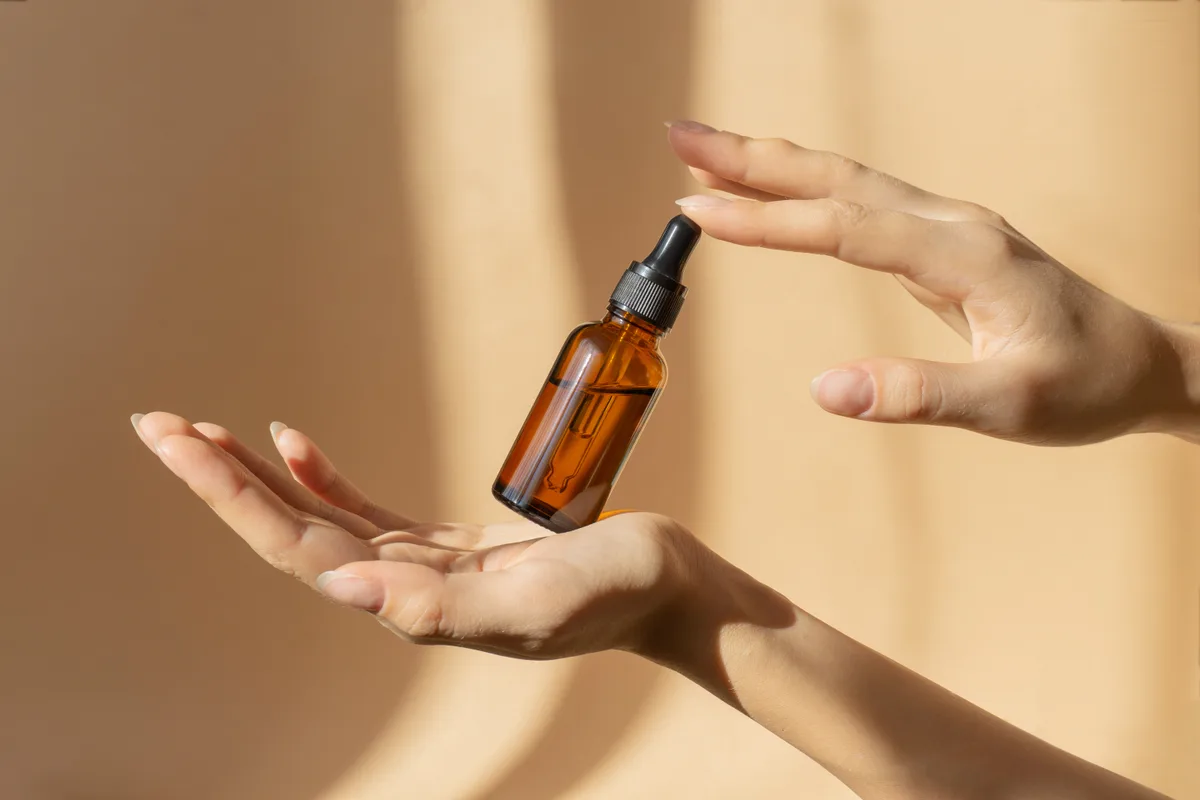
A traditional Levantine dressing table keeps a small family of hair oils on hand rather than one all-purpose bottle — each blend chosen for a different hair type or occasion, all pressed and bottled by the same house. We carry five Herolin Star Hair Oil blends from El Captain (Cap Pharm) of Cairo: 7 Oils, Aloe Vera, Marrow & Lanolin, Watercress, and Almond & Coconut.
This guide walks through what each blend is built from, how these oils are traditionally used, and how to merchandise the family in cosmetic language that never strays into a medical claim.
Five oils, five traditional roles
Each Herolin blend leads with a different combination, giving a retailer a genuine range rather than five variations on one idea.
| Blend | Built around | Traditional dressing-table role |
|---|---|---|
| 7 Oils | A traditional seven-oil blend | An all-purpose staple, the range's anchor bottle |
| Aloe Vera | Aloe vera | A lighter, everyday pick |
| Marrow & Lanolin | Bone marrow extract and lanolin | A richer, heavier blend, traditionally reached for in drier months |
| Watercress | Watercress | A traditional herbal blend with a distinct character |
| Almond & Coconut | Almond and coconut oils | A familiar, widely liked everyday pairing |
How these oils are traditionally used
The dressing-table ritual is simple and consistent across the region: the oil is worked through the lengths and ends by hand, sometimes left in for a while or overnight, and washed out as part of a regular hair-care routine. It's a habit, not a treatment plan — closer to a weekly ritual than a product with a schedule attached.
Because the five blends share that same application style, a retailer can sell them as a set — pick your blend, keep the ritual — rather than explaining five different routines to a customer standing at the shelf.
Merchandising the five together
A five-bottle lineup, faced forward in ingredient order from lightest to richest, does more explaining than any shelf card. Customers new to the category tend to start with 7 Oils or Almond & Coconut as an accessible entry point, then move to Watercress or Marrow & Lanolin once they've settled on the ritual itself — so keeping all five visible together, rather than scattering them across a wider personal-care section, helps that natural progression happen on its own.
A small sampler approach — a few travel-size units of two or three blends offered together — also suits gift and boutique retail well, letting a customer try the range before committing to a full-size bottle of one.
Selling hair oils on tradition, not promises
Cosmetics sold in Canada, hair oils included, sit under the Food and Drugs Act and the Cosmetic Regulations, and the safe register for marketing is descriptive: what an oil is, where the tradition comes from, and how it's traditionally used — never what it treats, cures or prevents (Health Canada cosmetics). This is general guidance, not legal advice; confirm specific claim wording with Health Canada before it reaches a label or a shelf-talker.
In practice this costs a retailer nothing. 'A dressing-table staple across Egyptian and Levantine households' is honest, evocative and needs no regulator's sign-off — it's a stronger line than any unverifiable promise about results. Keep ingredient names and heritage front and centre, and let the bottle's own tradition do the persuading.
Ordering the family together
Because all five blends come from one house, a single inquiry can carry the whole line alongside the rest of our personal-care range — henna, glycerins and the wider natural oils catalogue travel on the same quotation. How inquiry ordering works covers the mechanics, and samples across the five blends can be requested in the same message before you commit to full cases.
A common first order takes one or two cases each of the five blends rather than a heavy commitment to one — enough to give the full lineup shelf presence and let sell-through, rather than a guess, decide where the next reorder weights.
Who buys the five-blend range
Grocers with a Levantine or Egyptian customer base often stock all five as a recognizable, expected part of the shelf, alongside henna and the natural oils. Boutique and gift retailers tend to lead with one or two blends framed around a story — 7 Oils as the classic staple, Watercress as the distinctive pick — rather than the full five, at least until the category proves itself. Salons and hair-care specialists sometimes buy in bulk to decant or recommend by name, which is a case-count conversation worth having directly on the inquiry.
Whichever profile fits your store, the same five names are worth learning before the first order — customers who already know this category tend to ask for a blend by name, and a staff member who can answer without checking a label builds trust faster than any shelf card.
Related questions
What's the difference between the five Herolin blends?
Each leads with a different ingredient focus — 7 Oils is the all-purpose staple, Aloe Vera and Almond & Coconut are lighter everyday picks, Marrow & Lanolin is richer, and Watercress is the distinct herbal option. All five share the same traditional application style.
How are these oils traditionally applied?
Worked through the hair by hand, often left in before washing, as part of a regular dressing-table routine rather than a one-time treatment. The ritual is consistent across all five blends.
Can I market these oils as treating hair loss or scalp conditions?
No — keep marketing to tradition, ingredients and use, never to treating a condition. Health claims carry regulatory implications in Canada; confirm any wording with Health Canada before it appears on a label or display.