Import & Logistics
Importing food from Turkey to Canada: what actually applies, and the domestic alternative
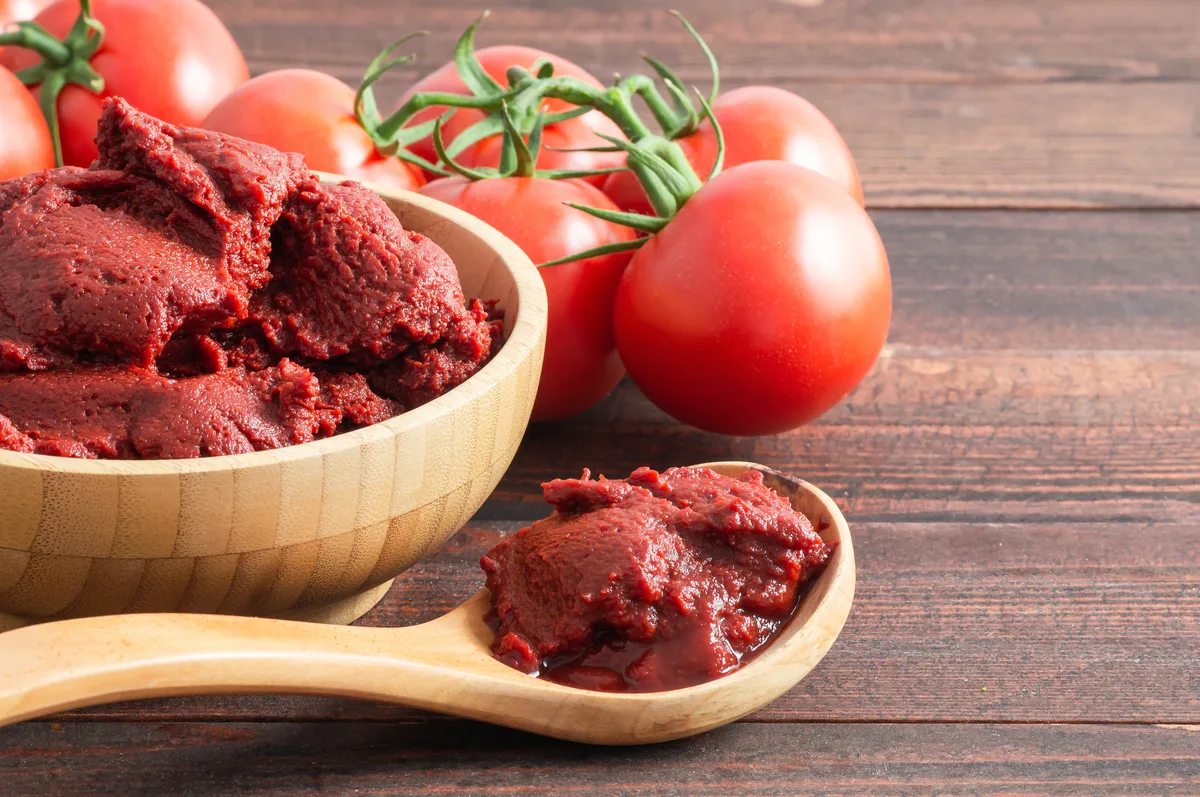
Importing food from Turkey to Canada runs under the same rules as importing from anywhere else — there's no separate Turkey-specific licence or process. Whoever brings the shipment across the border needs a Safe Food for Canadians (SFC) licence, a written preventive control plan and traceability records, the same as an importer bringing food in from Jordan, Syria or anywhere else (CFIA — importing food). What changes with Turkey as an origin is the practical detail: the products themselves, and what to check on the way in.
This guide covers what applies when the origin is Turkey specifically — using Gaziantep-made olives, tomato paste, pomegranate sauce and Aleppo-tradition laurel soap as the working example — and lays out the option most GTA buyers actually take: buying those same products from a Canadian importer who already carries the compliance.
The rules are the same regardless of origin country
Canada's import framework doesn't set different licensing rules by exporting country. An SFC licence is required for the regulated activity of importing food, full stop, and it must be in place before the shipment reaches the border (CFIA — importing food). Processing a licence application can take up to 15 business days on its own, and roughly 70 business days when the CFIA needs to carry out pre-issuance verification first (CFIA — obtaining a licence) — real lead time to plan around no matter which country you're sourcing from.
The one thing that does need country-specific attention is documentation on the exporting side — commercial invoices, certificates of origin and any Turkish-language paperwork — which is a customs and logistics question for CBSA and your freight forwarder rather than a food-safety licensing one. The fuller step-by-step on the Canadian side is in importing Middle Eastern food into Canada.
What's specific to sourcing from Turkey
Turkey-origin Levantine-tradition goods typically arrive labelled in Turkish first, which means the Canadian bilingual labelling rule matters just as much here as for any other imported food: mandatory information — common name, net quantity and the rest — must appear in English and French under the Safe Food for Canadians Regulations and the Food and Drug Regulations, with only a narrow exemption for specialty foods tied to religious significance that aren't widely consumed in Canada (CFIA — bilingual food labelling). Most Turkish-origin pantry goods sold generally in Canada don't qualify for that exemption, so plan for a bilingual label as the default rather than the exception; Canadian labels on imported food covers the requirement line by line.
Two producer houses in our own catalogue illustrate the category: Zer Group, a Gaziantep food manufacturer since 1991 whose plants hold ISO 9001, ISO 22000 and HACCP certification and supply our olives, pomegranate sauce and tomato paste; and Nader Barakat & Sons, Aleppo soap makers who relocated production to Gaziantep and still hand-stamp every bar with the family name. Both are Turkish-registered manufacturing operations, not Turkey-only importers repackaging goods from elsewhere.
The Barakat lineage is worth understanding on its own terms, since it's the clearest example of why 'Turkish import' and 'Levantine tradition' aren't opposites here. UNESCO inscribed the craftsmanship of Aleppo laurel soap as intangible cultural heritage in December 2024, describing a process built on olive oil and laurel oil brewed for roughly 3,000 years, cut by craftsmen in wooden shoes and hand-stamped with a family name, then dried for six to nine months. That craft moved to Gaziantep with displaced Aleppo soap makers and continues there under the same family methods — which is exactly what an import shipment from Turkey in this category is actually carrying.
Or buy domestically from a licensed importer
Most restaurants, grocers and cafés don't need to run any of the above themselves. Buying Turkish-origin goods from a Canadian importer who already holds the SFC licence, the preventive control plan and the bilingual-label compliance means you're a customer, not an importer — see buy from a licensed importer or import yourself for the full comparison of the two paths.
Levant Direct carries Turkish-origin lines from Zer Group and Nader Barakat & Sons — olives, pomegranate sauce, tomato paste and laurel soap — alongside houses from Jordan, Syria and Egypt, all quoted to GTA and Canadian buyers by the case through one written inquiry. See buying directly from Middle East suppliers for the full producer list, and how inquiry ordering works for the mechanics.
Not legal advice — confirm with the regulator
This page is general guidance, not legal advice. Import licensing, customs documentation and labelling rules apply to specific products and business situations in ways only the CFIA, CBSA or Health Canada can confirm for your exact case — verify your own circumstances with the CFIA before relying on anything here.
Related questions
Do I need a different import licence for food from Turkey than from other countries?
No. The Safe Food for Canadians licence, preventive control plan and traceability requirements apply the same way regardless of the exporting country. Turkey isn't treated differently under the licensing rules.
Do Turkish food products need bilingual English/French labels like other imports?
Yes, in almost all cases. Mandatory label information must appear in English and French, and the specialty-food exemption is narrow — most Turkish-origin pantry goods sold generally in Canada don't qualify for it.
Can I just buy Turkish-origin Levantine products from a Canadian importer instead of importing myself?
Yes, and that's the route most GTA buyers take. Buying from a licensed Canadian importer means you're not importing yourself, so the licence, preventive control plan and labelling compliance stay with the importer, not you.