Sourcing & Wholesale
Buy directly from Middle East suppliers: the eight founding houses behind Levant Direct
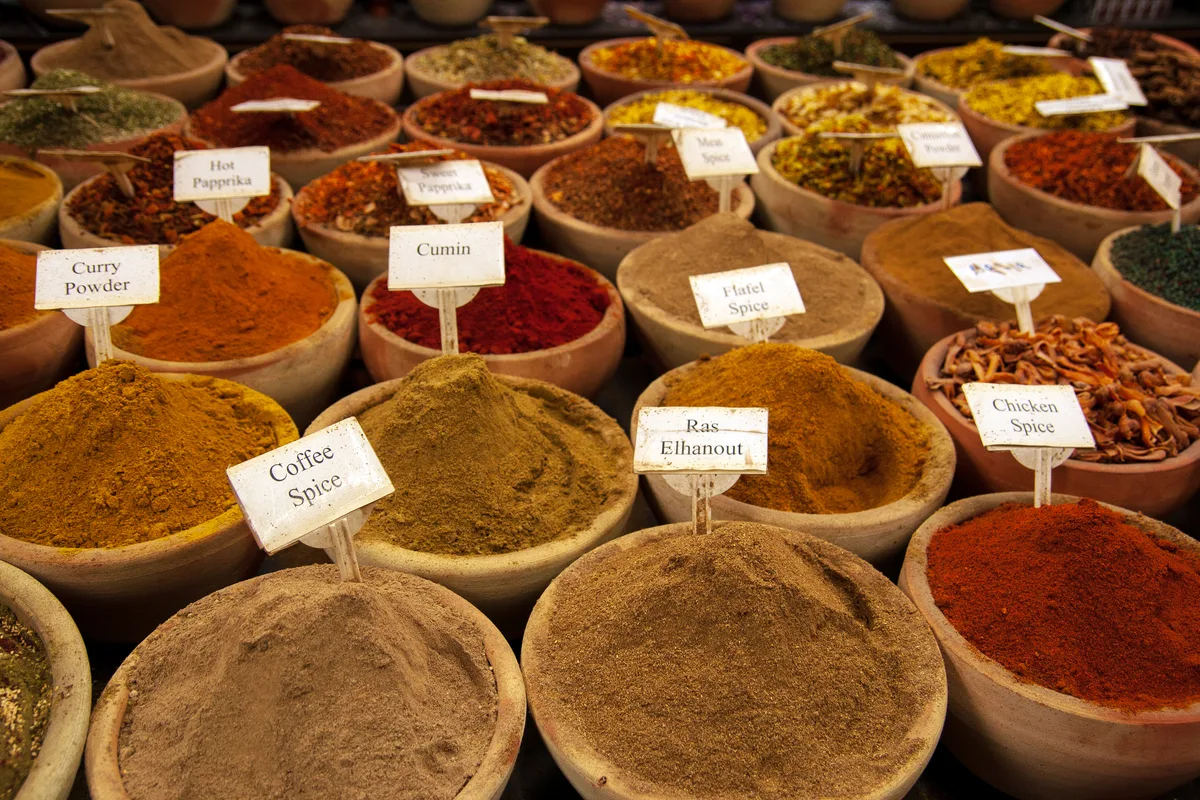
Buying directly from Middle East suppliers means working with a catalogue that names the actual producer behind every product — a family mill, a bakery, a soap house — rather than an importer's private label sitting between you and the origin. Levant Direct is built that way: eight founding supplier houses across Jordan, Syria, Türkiye and Egypt, each openly listed with its own origin and specialty, quoted to GTA and Canadian buyers by the case.
This guide introduces the eight founding houses (two further brands — Ola blended oils and Elizabeth Luffa loofah bath goods — joined the catalogue in September 2026), explains what 'direct' actually changes for a wholesale buyer, and covers how quote-based ordering works once you've picked the lines you want.
What buying direct actually changes
A general importer can list 'za'atar' or 'olive soap' as a line item without telling you who made it. Buying direct means the producer's name is on the product from the start: Green Jordanian Thyme milled by AbdulRahim Mills, or laurel soap made by Nader Barakat & Sons in the Aleppo tradition. That traceability matters for two practical reasons: you can verify what a supplier claims about origin and process, and you can put the producer's name on a shelf talker or menu note that your customers actually read.
It also means fewer hands between the maker and your order. Several of these houses carry their own food-safety certifications — ISO 22000, ISO 9001, HACCP among them — which a direct relationship lets you ask about and confirm on a per-product basis rather than taking on faith. Zer Group, for example, operates five plants across Türkiye holding ISO 9001, ISO 22000, ISO 27001 and HACCP certification, plus its own ISO/IEC 17025-accredited testing laboratory; Lio Food manufactures in ISO 22000 certified facilities in Latakia, Syria. Those are the kinds of specifics a direct relationship lets you ask for and verify, house by house, rather than trusting a blanket 'quality assured' label.
The eight founding supplier houses, direct
Each house is named openly in the catalogue, which you can filter by supplier, so you can see who makes what before you build an inquiry.
| Supplier house | Origin | What they bring |
|---|---|---|
| AbdulRahim Mills | Jordan — Palestinian heritage, Amman since 1951 | Spices, za'atar-style blends, dried herbs, sumac, sesame grades |
| Ibrahim Srour Est. | Jordan — Damascus tradition, Amman since 2012 | Pistachio halawa pressed to a 1936 family recipe |
| Hamdan for Foods | Jordan — Damascus origin, Amman since 1991 | Ma'amoul, barazek, ghraybeh, breadstick cartons |
| Zer Group | Türkiye — Gaziantep, since 1991 | Olives, pomegranate sauce, tomato paste, dessert creams |
| Lio Food | Syria — Latakia, since 2000 | Olive oil, green olives, cardamom coffee, capers, truffles |
| Noon Foods | Jordan — Amman, since 1982 | Baking powders, jelly and custard mixes, instant soups |
| Nader Barakat & Sons | Türkiye — Aleppo tradition, since 1979 | Handmade laurel (ghar) soap, family-stamped bars |
| El Captain (Cap Pharm) | Egypt — Cairo, since 1938 | Natural oils, herbal teas, traditional personal care |
Why direct sourcing suits specific buyer needs
Direct sourcing matters most to a handful of buyer types: a retailer who wants to state a producer's name and tradition on a shelf sign, a restaurant that wants to answer a customer's provenance question with a straight fact, and a private-label project that needs a real manufacturing relationship rather than a repackager. Private label Levantine products from origin covers that last case in more depth.
It also matters if you're trying to verify a specific claim — a laurel percentage, a halal certification, an ISO standard. Ask the supplier house directly through your inquiry and expect a documented answer, not a generic assurance.
Direct sourcing is not automatically cheaper or faster than buying through a general distributor — it's a trade of convenience for traceability. A distributor may hold broader stock on hand; a named producer relationship gives you a fact you can put in writing on a shelf sign or a menu note. Most GTA buyers end up combining both, using a specialist catalogue like this one for the authentic core of the shelf and a broadline distributor for everything else.
How to start a direct-sourced order
The ordering mechanics don't change house to house: browse the catalogue, add products from any or all ten suppliers to one inquiry with quantities, and send it once. A single written quotation covers every line — even when it spans four countries of origin — typically within a business day. See how inquiry ordering works for the full walkthrough.
If you're weighing this catalogue against other wholesale channels first, how to buy Middle Eastern food wholesale in Toronto maps cash & carry, specialist distributors and import catalogues side by side, and Levantine food supplier in Canada sets out the checklist for judging any supplier claiming direct sourcing, us included.
Related questions
Is buying direct from these suppliers different from buying through a distributor?
Yes — a distributor typically resells from its own warehouse without naming the original producer. Levant Direct's catalogue names the house behind every product, so you can trace what you're buying back to a specific mill, bakery or soap maker across Jordan, Syria, Türkiye and Egypt.
Can I order from multiple supplier houses in one inquiry?
Yes. Mixed inquiries across suppliers and categories are standard — you build one list, send it once, and receive one written quotation covering every line, regardless of how many houses it draws from.
Are these supplier houses' products certified?
Several carry recognized food-safety certifications such as ISO 22000, ISO 9001 and HACCP at the company level. Ask about a specific certification for a specific product in your inquiry, since claims are confirmed per product rather than assumed across a whole catalogue.