Sourcing & Wholesale
Dried lime wholesale: sourcing loomi (black lime) by the case
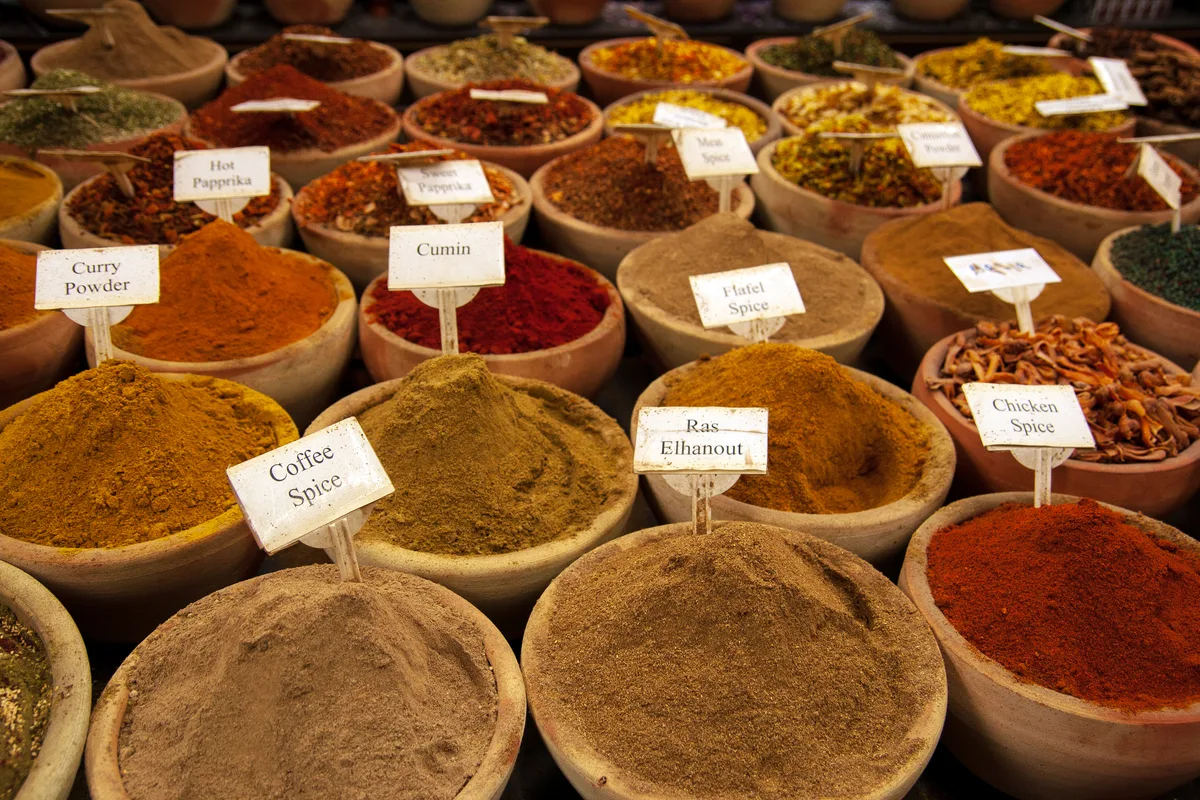
Dried lime wholesale in Canada usually means one product under several names: loomi, black lime, Omani lime or noomi basra — a whole lime boiled in brine and sun-dried until it turns dark and hollow. We stock it as Lumi from AbdulRahim Mills of Jordan, quoted the same way as the rest of the spice range: add it to an inquiry and one written quotation covers the case.
This guide covers what loomi actually is, the kitchens that lean on it hardest, whole versus ground formats, and how a bulk order gets quoted.
What loomi (dried lime) is, and why it's sour rather than sharp
Loomi starts as an ordinary lime, boiled briefly in salted water and then sun-dried for weeks until the whole fruit dehydrates and the skin darkens toward black or deep brown. The drying concentrates the sourness and adds a smoky, slightly fermented note that fresh lime juice doesn't have — closer to a tart, earthy citrus than a bright squeeze of lime.
It's a staple across Gulf, Iraqi and Persian kitchens, and increasingly familiar in Levantine ones too, used whole (pierced or cracked to let liquid in), halved, or ground to a powder depending on the dish.
Whole vs ground — different jobs in the kitchen
| Format | Texture | Typical use |
|---|---|---|
| Whole, pierced or cracked | Firm, hollow, releases flavour slowly | Stews, soups and braises simmered for time — Iraqi and Gulf-style pots |
| Halved | Faster release than whole | Shorter-cooking soups and rice dishes |
| Ground / powdered | Fine, immediate sourness | Rubs, spice blends, finishing a dish without a long simmer |
Where it earns its place on a menu or a shelf
Loomi is close kin to sumac in the role it plays — a souring agent that adds acidity without extra liquid — but its flavour is its own, smokier and more layered than sumac's clean citrus tang. It's a defining ingredient in Gulf rice dishes built around kabsa spice, where a whole loomi simmered into the pot rounds out the blend, and it turns up in Iraqi soups, stews and even brewed as a hot infusion in some households.
For a grocer, it's a recognizable, high-turn item for any Gulf, Iraqi or Persian customer base — a shopper who cooks with it knows exactly what a good one looks and smells like, and judges the rest of a spice wall accordingly. It's worth shelving near sumac and the ground-spice wall rather than tucked away as a niche item, since customers who cook with loomi buy it as routinely as a Levantine kitchen buys sumac, and it rewards visibility on the shelf rather than a back-corner facing.
Judging quality before a bulk order
Good loomi is uniformly dark — brown through to near-black — light in the hand for its size, and gives off a distinct tart, faintly smoky aroma when cracked open. A lime that's still pale tan, unusually heavy, or soft and moist inside hasn't finished drying properly and won't deliver full flavour through a long simmer.
Because loomi is a natural, harvest-dependent product, batches vary slightly in size, colour and intensity from one season to the next — the same way sumac or any other wild-harvested spice does. It's a fair question to put to any supplier before a bulk order: is this current-season stock, and can the lot be confirmed in writing? A mill that sources and mills at origin, the way AbdulRahim Mills does, should answer without hesitation.
Sourcing it by inquiry
Loomi ships as a packed dry good, quoted by quantity rather than sold off a published price list. Add it to an inquiry alongside kabsa spices or the rest of the spice range — mixed inquiries quote better than single-line ones — and one written quotation comes back, typically within a business day. Asking commits you to nothing; see how inquiry ordering works.
A kitchen building a Gulf-menu pantry from scratch typically orders loomi and kabsa spice together on the same first inquiry, since the two are used together often enough that stocking one without the other leaves a gap on the shelf.
Related questions
Is loomi the same as black lime or Omani lime?
Yes — loomi, black lime, dried lime, Omani lime and noomi basra all describe the same dried, brined lime. Naming varies by region and by which cuisine you're sourcing for.
Should I buy loomi whole or ground?
Whole (or halved) for anything simmered for time — stews, soups, rice pots — since the flavour releases slowly. Ground loomi suits rubs and quick-finish dishes where a long simmer isn't part of the plan.
What's the difference between loomi and sumac?
Both add sourness without extra liquid, but the flavour differs — sumac is clean and citrus-forward, loomi is smokier and more fermented in character. Many Levantine and Gulf kitchens stock both for different dishes.
How can I tell if loomi is good quality before ordering in bulk?
Look for a uniformly dark colour, a lime that's light for its size (a sign it dried through properly), and a distinct tart, smoky aroma when cracked open. A pale, heavy or soft lime hasn't finished drying and won't perform the same way in a long simmer.