Soap & Natural Care
Laurel oil percentages in Aleppo soap, explained
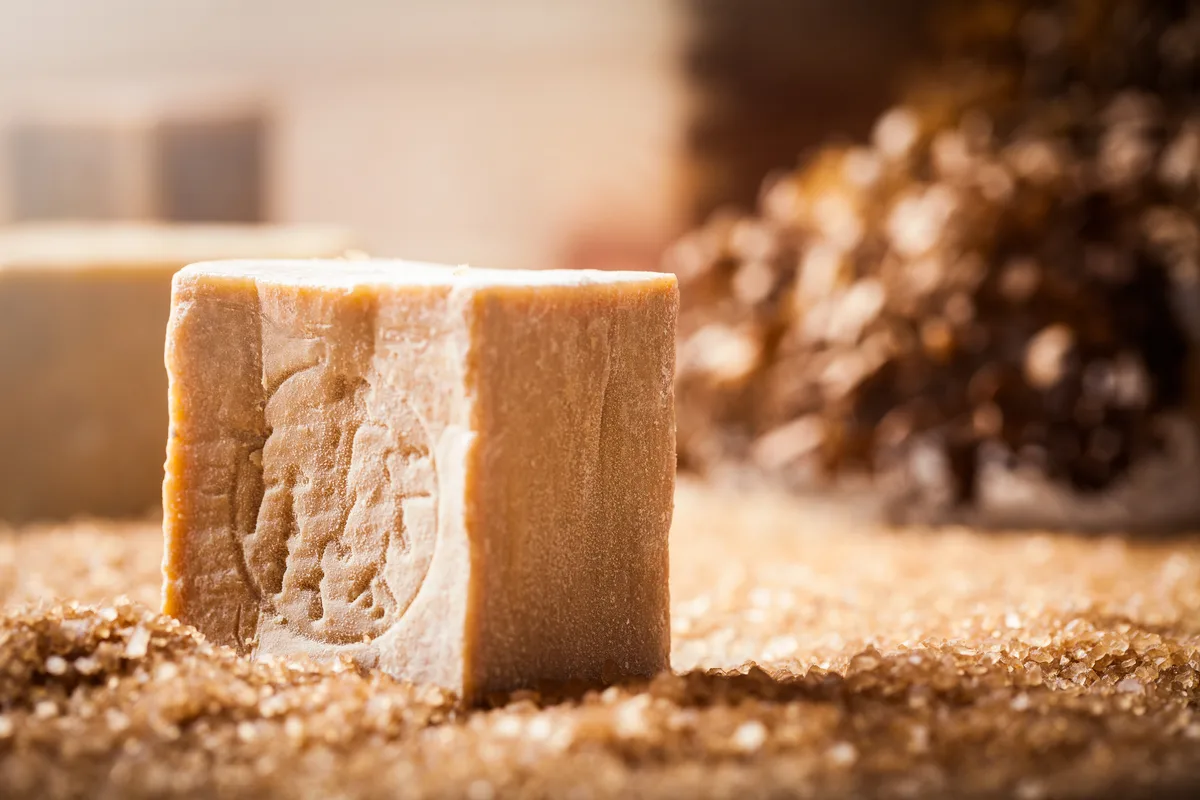
Laurel oil in Aleppo soap typically ranges from around 2% at the mild end to 30–40% at the richest, producer-declared end — there's no official standard behind the number, so any percentage you see is that soap house's own statement, not a regulated grade. It's still the single biggest lever on scent, colour depth and how a bar reads on a shelf.
This guide explains why the figure isn't standardized, what buyers should expect at the low, middle and high end, and how to match a range to a retail concept without turning a cosmetic feature into a medical claim.
Why there's no official laurel standard
Aleppo soap predates modern cosmetic grading by millennia, and laurel percentage has always been a house recipe rather than a regulated category — there's no body that certifies a bar as '20% laurel' the way there is for, say, olive oil grades. That means the honest approach for a buyer is to treat every percentage as a producer's declared figure and judge houses on whether they state one consistently, not on the number alone.
Practically, this is less of a gap than it sounds. Laurel content is easy to sense — scent intensity and the depth of the green core both track with it — so a buyer or customer can judge a bar by nose and by eye even without a certified figure on the wrapper.
How producers state the percentage
When a laurel percentage does appear, it's usually on the bar's packaging, a spec sheet, or stated directly by the soap house on request — there's no third-party test result to ask for, because no standard body issues one. The right question to put to any supplier isn't 'can you certify this?' but 'can you tell me consistently, in writing, what this bar contains?' A house that answers the same way every time is a more reliable source than any single number.
For our range, laurel content is a detail we're glad to confirm against the producer's own documentation when a buyer is planning a tiered assortment — ask on the inquiry alongside quantities and it comes back with the quotation.
It's also worth asking whether a producer's percentage figure has stayed consistent across seasons and batches. A house that reports the same range year over year is a stronger sign of a genuine, repeatable recipe than a supplier whose stated percentage shifts from one shipment to the next.
The low end: mild, everyday bars
Bars at the low end of the range are mostly olive oil with a modest amount of laurel oil worked in — enough for a faint, earthy scent and a light green tint at the core, without laurel dominating. These are the everyday, high-turnover bars: mild, familiar, and usually the volume seller on a mixed shelf. Nader Barakat M002 and Jawharat Halab sit in this everyday register.
The middle: balanced retail bars
A middle range gives a noticeably deeper green core and a stronger, more identifiably laurel scent, while staying priced and positioned as a core shelf item rather than a specialty gift. This is usually where a retailer's best-value bar sits — enough character to justify a step up from the entry bar, without the fragrance intensity of a top-tier soap.
The high end: premium, laurel-forward bars
At the top of the declared range, laurel oil becomes the dominant note — a deep, resinous scent and a core so green it's visible from the cut edge without slicing. Bars whose names foreground ghar (laurel), like our Ghar Kasab laurel soap with virgin olive oil, signal this laurel-forward recipe — exact percentages are a producer disclosure worth confirming on request when you're building a premium tier.
Matching a range to your shelf
Most successful soap shelves stock across the range rather than picking one tier, because customers arrive with different expectations — some want a mild everyday bar, others are shopping specifically for a strong laurel scent.
| Range | What it signals | Retail role |
|---|---|---|
| Low (mild) | Light, earthy scent; pale green core | Everyday bar, volume seller, easy first purchase |
| Middle (balanced) | Clearer scent and colour; still approachable | Core shelf, best-value positioning |
| High (laurel-forward) | Strong, resinous scent; deep green core | Premium gift and boutique tier |
Stocking across the range, not just one tier
Because laurel percentage is a preference axis rather than a quality axis, the safest retail strategy is rarely to pick a single 'best' tier — it's to stock a spread and let the shelf explain the difference. A low bar next to a high one, with nothing in between, does more selling on its own than a page of copy trying to describe the gap. Real vs fake Aleppo soap covers the other side of the same coin: confirming the percentage claim is genuine before it goes on the shelf at all.
Related questions
Is a higher laurel percentage always better?
Not necessarily — it's a matter of preference, not quality. Higher laurel content means a stronger scent and deeper colour, which some customers want and others find too intense. Stocking a spread lets customers choose rather than assuming one tier is objectively superior.
How is laurel percentage verified?
There's no official certifying body, so the figure is the producer's own declared statement. The most reliable approach is buying from a named house willing to state its percentages consistently across its range, rather than chasing a specific number.
Which range do buyers pick for everyday face and hand washing?
Many buyers reach for a lower-laurel, olive-forward bar for everyday washing and keep a higher-laurel bar for occasional or gift use — a preference based on scent intensity and lather feel, not a therapeutic recommendation.